
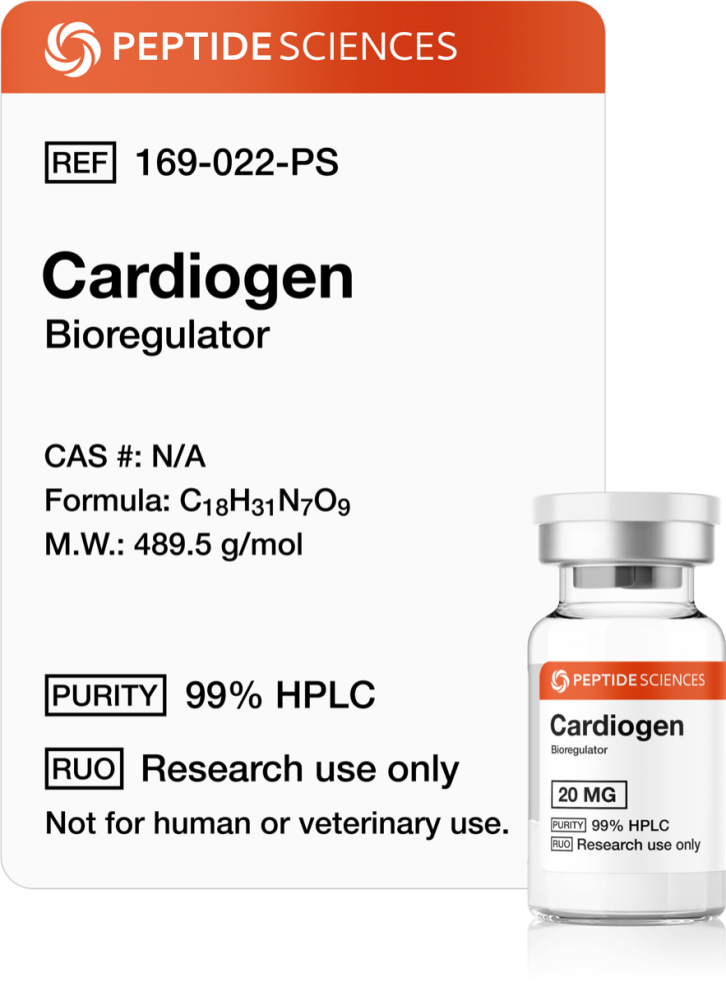
Cardiogen 20mg (Bioregulator)

$65.00
Cardiogen is a peptide bioregulator derived from cardiac tissue extracts consisting of short amino acid chains that regulate myocardial gene expression and contractile protein synthesis. Experimental studies demonstrate its influence on calcium homeostasis, mitochondrial bioenergetics, and peptide-mediated cardiomyocyte repair. Cardiogen is used in cardiovascular research exploring cardiac peptide regulation, metabolic adaptation, and stress response mechanisms.
For research use only. Not for human consumption.
References:
Khavinson VK et al., Bull Exp Biol Med, 2002 134(4):356–359
Anisimov VN et al., Biochemistry (Moscow), 2000 65(8):901–908
Linkova NS et al., Adv Gerontol, 2011 24(4):628–634
Cardiogen 20mg (Bioregulator) – Buy High-Quality Cardiogen 20mg (Bioregulator) Online
Looking to buy Cardiogen 20mg (Bioregulator) for your research laboratory? You have come to the right place.
We currently have Cardiogen 20mg (Bioregulator) for sale and it is in stock and ready for immediate shipping.
Our Cardiogen 20mg (Bioregulator) is of the highest purity, making it the best Cardiogen 20mg (Bioregulator) online for scientific studies.
Product Overview
Cardiogen 20mg (Bioregulator) is a premium research compound widely utilized in various scientific studies.
Researchers seeking to buy Cardiogen 20mg (Bioregulator) online often prioritize purity and consistency.
This compound has been studied extensively for its unique biochemical properties and its role in cellular pathways.
Overview
Cardiogen is a short synthetic regulatory peptide investigated exclusively as a laboratory research reagent in cellular and animal-based experimental systems. Published studies describe Cardiogen as a peptide associated with modulation of fibroblast-associated gene-expression programs, extracellular-matrix signaling, and tissue-remodeling pathways under controlled preclinical conditions.
Research interest in Cardiogen originates from experimental observations in cardiac, connective-tissue, and tumor-model systems, where the peptide is evaluated as a molecular probe for studying transcriptional regulation, cell-population dynamics, and signaling pathways involved in fibroblast differentiation and apoptosis regulation.
Biochemical Characteristics
Molecular Formula: C18H31N7O9
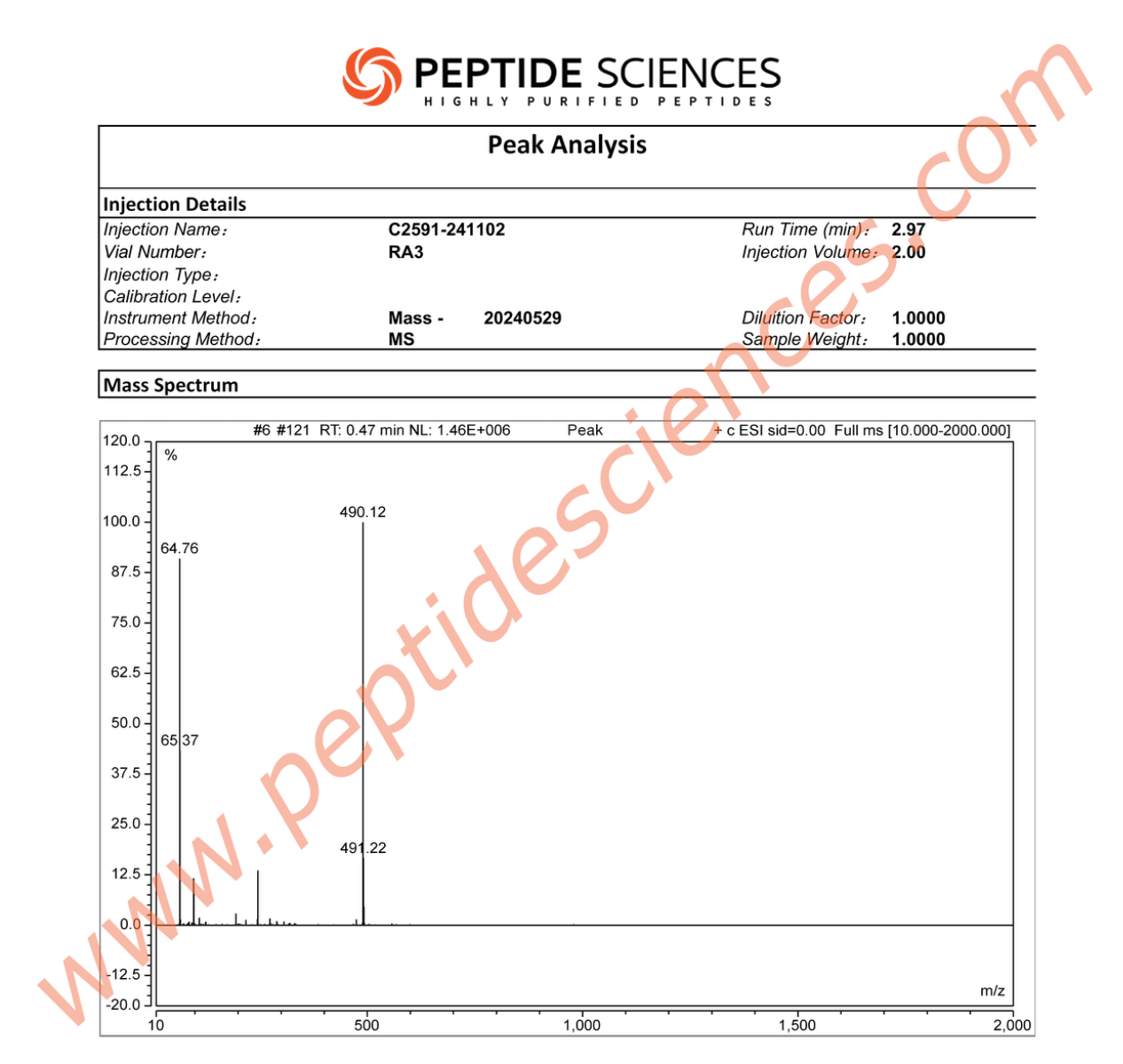
Molecular Weight: 489.5 g/mol
PubChem CID: 11583989
Alternative Names: SCHEMBL3194515
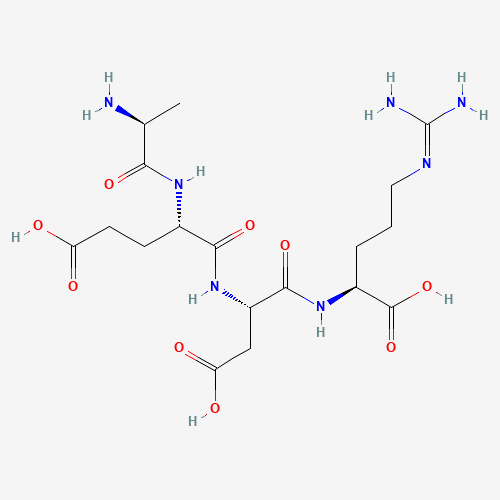
Source: PubChem
Research Applications
In research environments, Cardiogen is utilized as a mechanistic probe in studies examining fibroblast biology, tissue remodeling, and apoptosis-associated transcriptional regulation. Typical applications include:
- Fibroblast differentiation and extracellular-matrix signaling studies
- Cardiac tissue culture and cardiomyocyte–fibroblast interaction models
- Tumor-cell apoptosis signaling assays in rodent cancer models
- Age-associated transcriptional changes in stromal cell populations
Pathway / Mechanistic Context
Experimental models describe Cardiogen-associated modulation of gene-expression networks involved in fibroblast proliferation, cardiomyocyte development, and apoptosis regulation. In myocardial tissue cultures derived from rodents, Cardiogen has been studied for its association with altered growth patterns and differentiation states of cardiac-supporting cell populations.
Mechanistic analyses further implicate transcriptional pathways linked to p53-associated signaling, extracellular-matrix remodeling, and stromal–parenchymal cell interactions. These pathways are commonly evaluated in vitro and in vivo using molecular readouts such as apoptosis markers, proliferation indices, and transcriptomic profiling.
In oncology-related experimental systems, Cardiogen has been examined for differential apoptosis signaling in tumor versus non-tumor cell populations, with interpretation confined strictly to molecular and cellular observations in rodent models.
Additional in-vitro studies investigate peptide-associated regulation of fibroblast-derived signaling factors within prostate tissue cultures, emphasizing age-associated changes in stromal gene-expression profiles rather than organism-level outcomes.
Preclinical Research Summary
The peer-reviewed literature on Cardiogen consists primarily of:
- Rodent myocardial tissue culture studies evaluating peptide effects on cardiac cell development
- Rat tumor models assessing apoptosis-related molecular endpoints
- In-vitro fibroblast culture studies examining differentiation-associated signaling molecules
- Age-associated stromal-cell gene-expression analyses
All findings are interpreted strictly within the constraints of the experimental systems described and do not imply translational, therapeutic, or clinical relevance.
Form & Analytical Testing
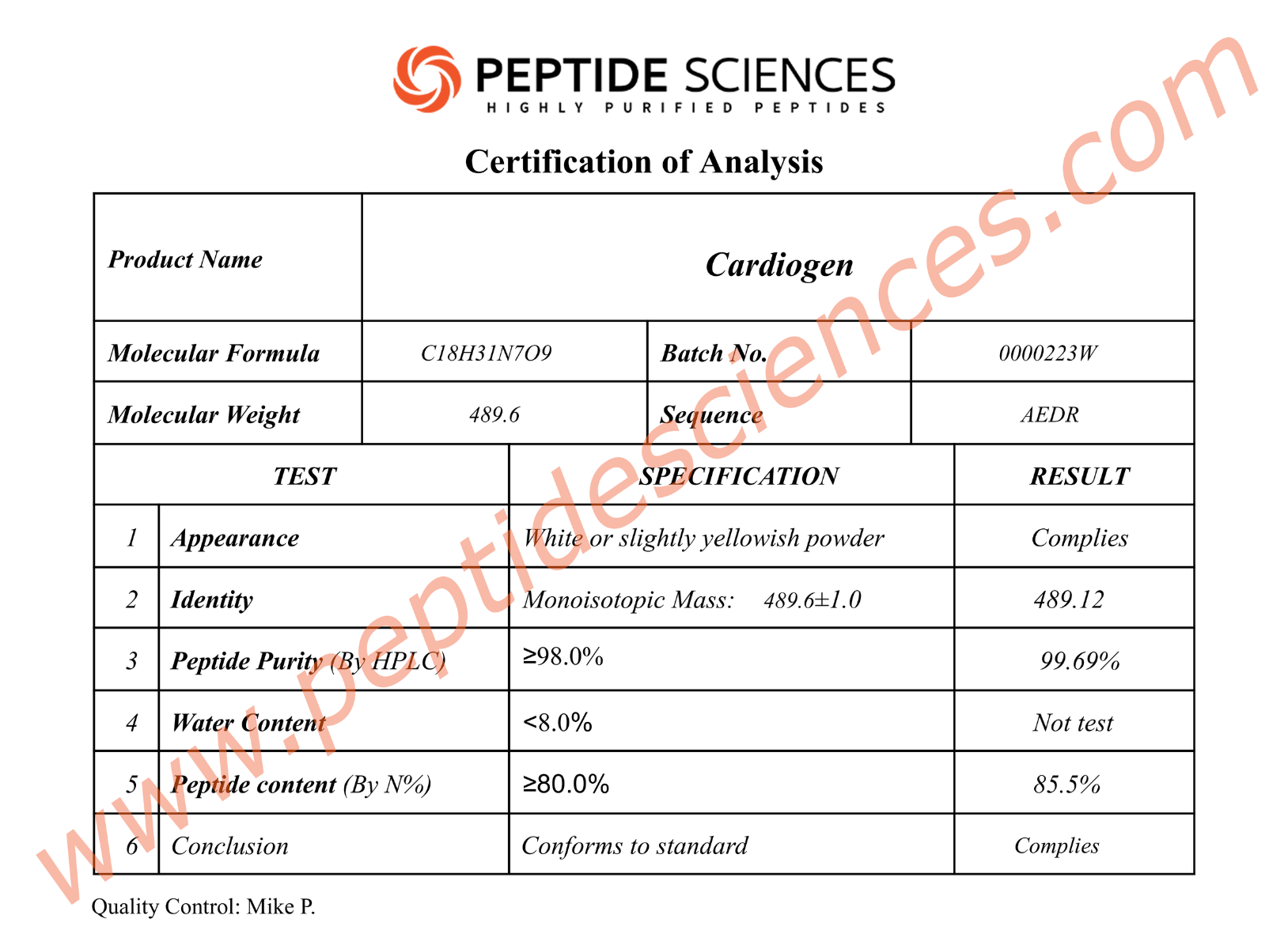
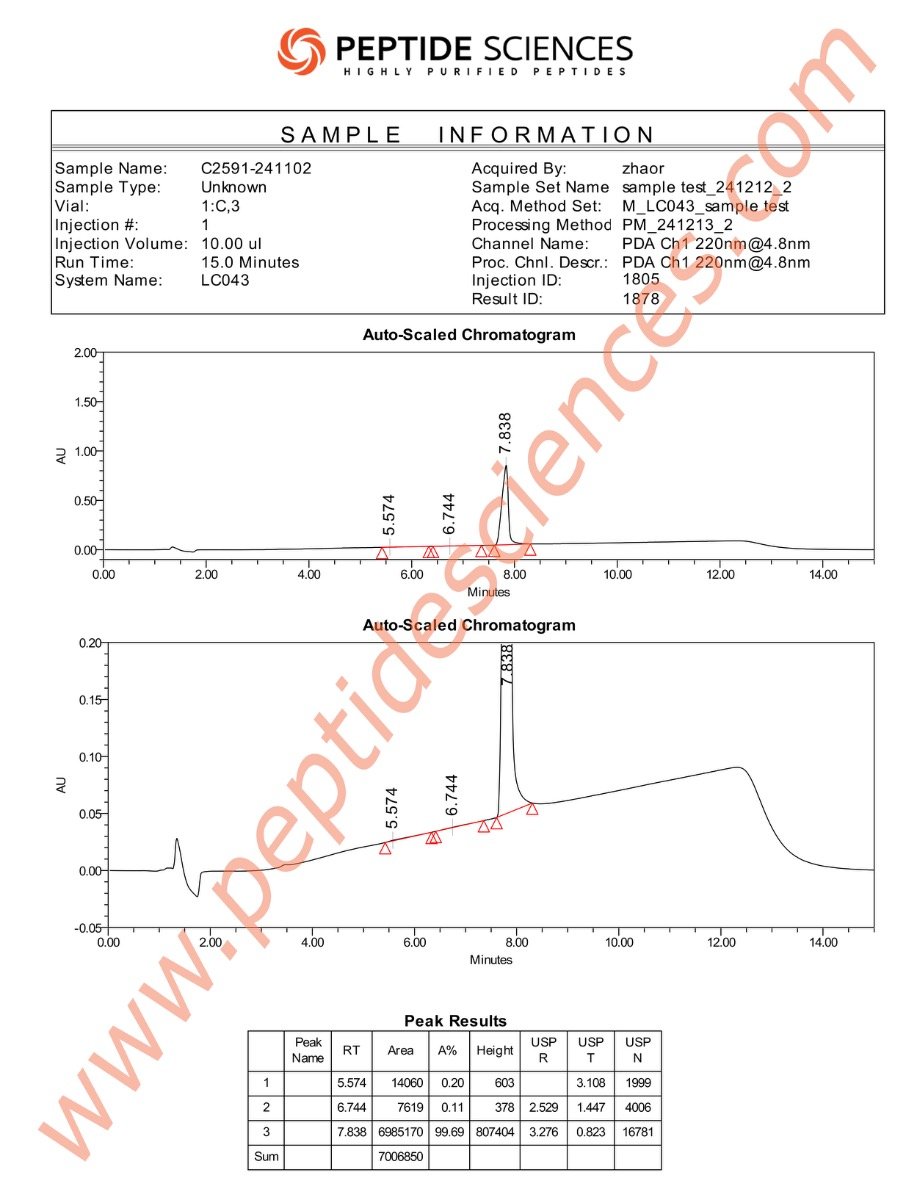
Cardiogen is supplied as a synthetic research peptide. Standard analytical characterization methods for peptide identity and purity may include chromatographic and mass-spectrometric techniques, as documented in supplier-specific quality-control materials where applicable.
Article Author
The above literature was researched, edited and organized by Dr. E. Logan, M.D. Dr. E. Logan holds a doctorate degree from Case Western Reserve University School of Medicine and a B.S. in molecular biology.
Scientific Journal Author
 Vladimir Khavinson is a Professor, President of the European region of the International Association of Gerontology and Geriatrics; Member of the Russian and Ukrainian Academies of Medical Sciences; Main gerontologist of the Health Committee of the Government of Saint Petersburg, Russia; Director of the Saint Petersburg Institute of Bioregulation and Gerontology; Vice-president of Gerontological Society of the Russian Academy of Sciences; Head of the Chair of Gerontology and Geriatrics of the North-Western State Medical University, St-Petersburg; Colonel of medical service (USSR, Russia), retired. Vladimir Khavinson is known for the discovery, experimental and clinical studies of new classes of peptide bioregulators as well as for the development of bioregulating peptide therapy. He is engaged in studying of the role of peptides in regulation of the mechanisms of ageing. His main field of actions is design, pre-clinical and clinical studies of new peptide geroprotectors. A 40-year-long investigation resulted in a multitude of methods of application of peptide bioregulators to slow down the process of ageing and increase human life span. Six peptide-based pharmaceuticals and 64 peptide food supplements have been introduced into clinical practice by V. Khavinson. He is an author of 196 patents (Russian and international) as well as of 775 scientific publications. His major achievements are presented in two books: “Peptides and Ageing” (NEL, 2002) and “Gerontological aspects of genome peptide regulation” (Karger AG, 2005). Vladimir Khavinson introduced scientific specialty “Gerontology and Geriatrics” in the Russian Federation on the governmental level. Academic Council headed by V. Khavinson has oversighted over 200 Ph.D. and Doctorate theses from many different countries.
Prof. Vladimir Khavinson is being referenced as one of the leading scientists involved in the research and development of Cardiogen. In no way is this doctor/scientist endorsing or advocating the purchase, sale, or use of this product for any reason. There is no affiliation or relationship, implied or otherwise, between Peptide Sciences and this doctor. The purpose of citing the doctor is to acknowledge, recognize, and credit the exhaustive research and development efforts conducted by the scientists studying this peptide.
Referenced Citations
- N. I. Chalisova et al., “[The effect of the amino acids and cardiogen on the development of myocard tissue culture from young and old rats],” Adv. Gerontol. Uspekhi Gerontol., vol. 22, no. 3, pp. 409–413, 2009.
- N. V. Levdik and I. V. Knyazkin, “Tumor-modifying effect of cardiogen peptide on M-1 sarcoma in senescent rats,” Bull. Exp. Biol. Med., vol. 148, no. 3, pp. 433–436, Sep. 2009, doi: 10.1007/s10517-010-0730-9.
- L. Begley, C. Monteleon, R. B. Shah, J. W. Macdonald, and J. A. Macoska, “CXCL12 overexpression and secretion by aging fibroblasts enhance human prostate epithelial proliferation in vitro,” Aging Cell, vol. 4, no. 6, pp. 291–298, Dec. 2005, doi: 10.1111/j.1474-9726.2005.00173.x.
- O. V. Kheĭfets, V. O. Poliakova, and I. M. Kvetnoĭ, “[Peptidergic regulation of the expression of signal factors of fibroblast differentiation in the human prostate gland in cell aging],” Adv. Gerontol. Uspekhi Gerontol., vol. 23, no. 1, pp. 68–70, 2010.
ALL ARTICLES AND PRODUCT INFORMATION PROVIDED ON THIS WEBSITE ARE FOR INFORMATIONAL AND EDUCATIONAL PURPOSES ONLY.
RUO Disclaimer
The products offered on this website are furnished for in-vitro studies only. In-vitro studies (Latin: in glass) are performed outside of the body. These products are not medicines or drugs and have not been approved by the FDA to prevent, treat or cure any medical condition, ailment or disease. Bodily introduction of any kind into humans or animals is strictly forbidden by law.
For Laboratory Research Only. Not for human use, medical use, diagnostic use, or veterinary use.
Storage Instructions:
All of our products are manufactured using the Lyophilization (Freeze Drying) process, which ensures that our products remain 100% stable for shipping for up to 3-4 months.
Once the peptides are reconstituted (mixed with bacteriostatic water), they must be stored in the fridge to maintain stability. After reconstitution, the peptides will remain stable for up to 30 days.
Lyophilization is a unique dehydration process, also known as cryodesiccation, where the peptides are frozen and then subjected to low pressure. This causes the water in the peptide vial to sublimate directly from solid to gas, leaving behind a stable, crystalline white structure known as lyophilized peptide. The puffy white powder can be stored at room temperature until you’re ready to reconstitute it with bacteriostatic water.
Once peptides have been received, it is imperative that they are kept cold and away from light. If the peptides will be used immediately, or in the next several days, weeks or months, short-term refrigeration under 4C (39F) is generally acceptable. Lyophilized peptides are usually stable at room temperatures for several weeks or more, so if they will be utilized within weeks or months such storage is typically adequate.
However, for longer term storage (several months to years) it is more preferable to store peptides in a freezer at -80C (-112F). When storing peptides for months or even years, freezing is optimal in order to preserve the peptide’s stability.
Why Choose Our Cardiogen 20mg (Bioregulator)?
When you are looking for Cardiogen 20mg (Bioregulator) for sale, quality is paramount.
Our products undergo rigorous testing to ensure they meet the strict requirements of laboratory environments.
By choosing to buy Cardiogen 20mg (Bioregulator) from our store, you are guaranteed a product that is:
- High Purity (Tested for 99%+)
- Fast Shipping – Always in stock
- Secure Packaging for Research Integrity
- Competitive Pricing for Bulk Orders
Specifications & Technical Data
| Feature | Specification |
|---|---|
| Product Name | Cardiogen 20mg (Bioregulator) |
| SKU | 19 |
| Purity | >99% |
| Form | Research Grade Compound |
| Availability | In Stock / For Sale |
Scientific Research & Clinical Applications
The research surrounding Cardiogen 20mg (Bioregulator) is vast. Scientists explore its potential in various metabolic and physiological models.
For more detailed scientific data, you can visit PubMed
to review the latest peer-reviewed literature regarding this compound.
Frequently Asked Questions
Where can I buy Cardiogen 20mg (Bioregulator)?
You can buy Cardiogen 20mg (Bioregulator) directly from our website. We provide a secure checkout and fast shipping to ensure your research stays on track.
Is Cardiogen 20mg (Bioregulator) in stock?
Yes, we currently have Cardiogen 20mg (Bioregulator) in stock. Orders are typically processed within 24 hours to ensure rapid delivery to your laboratory.
Related Research Products
If you are interested in Cardiogen 20mg (Bioregulator), you may also want to explore these related products currently in stock:
Disclaimer: All products listed are for research purposes only. Not for human consumption.
Related products

All Peptides
All Peptides

All Peptides

All Peptides

All Peptides
All Peptides

All Peptides
All Peptides