
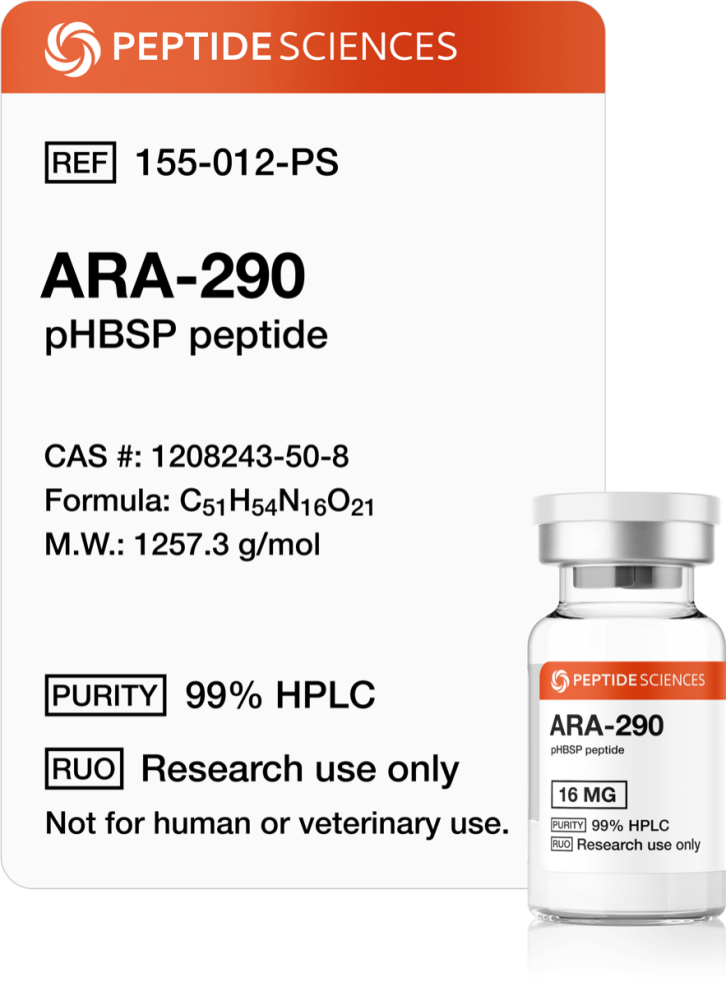
ARA-290 16mg

$95.00
ARA-290 is a synthetic research peptide engineered from the B-helix domain of erythropoietin. It selectively binds the EPOR–CD131 receptor complex, activating the innate repair receptor (IRR) pathway without stimulating erythropoiesis. Preclinical models show ARA-290 modulates cytokine activity, endothelial integrity, and neuroimmune signaling, making it a tool for studies on inflammation and tissue protection.
For research use only. Not for human consumption.
References:
Brines M et al., Proc Natl Acad Sci USA, 2008 105(31):10925–10930
Ehrenreich H et al., Mol Med, 2010 16(9-10): 440–446
Ostrowski D et al PLoS One, 2017 12(10): e0185838
🔥 Exclusive Crypto Offer
Get an INSTANT 15% DISCOUNT when you pay with Bitcoin, Ethereum, Dogecoin, Bitcoin Cash, XRP, Solana, or USDT.
⚡ Don't have crypto? Buy it here in 5 minutes with easy guidance.
ARA-290 16mg – Buy High-Quality ARA-290 16mg Online
Looking to buy ARA-290 16mg for your research laboratory? You have come to the right place.
We currently have ARA-290 16mg for sale and it is in stock and ready for immediate shipping.
Our ARA-290 16mg is of the highest purity, making it the best ARA-290 16mg online for scientific studies.
Product Overview
ARA-290 16mg is a premium research compound widely utilized in various scientific studies.
Researchers seeking to buy ARA-290 16mg online often prioritize purity and consistency.
This compound has been studied extensively for its unique biochemical properties and its role in cellular pathways.
ARA-290 (also known as cibinetide) is a synthetic peptide derived from the helix-B surface peptide domain of erythropoietin (EPO). Unlike full-length EPO, ARA-290 is utilized in laboratory research as a selective molecular probe for studying non-hematopoietic erythropoietin receptor signaling.
In experimental systems, ARA-290 is investigated for its interaction with the erythropoietin receptor–β common receptor heteromer (also referred to as the tissue-protective receptor, TPR). Research involving this peptide is limited to cellular assays and in-vivo animal models examining intracellular signaling, inflammatory pathway modulation, and cellular stress responses.
Biochemical Characteristics
Sequence: ZEQLERALNSS
Molecular Formula: C51H84N16O21
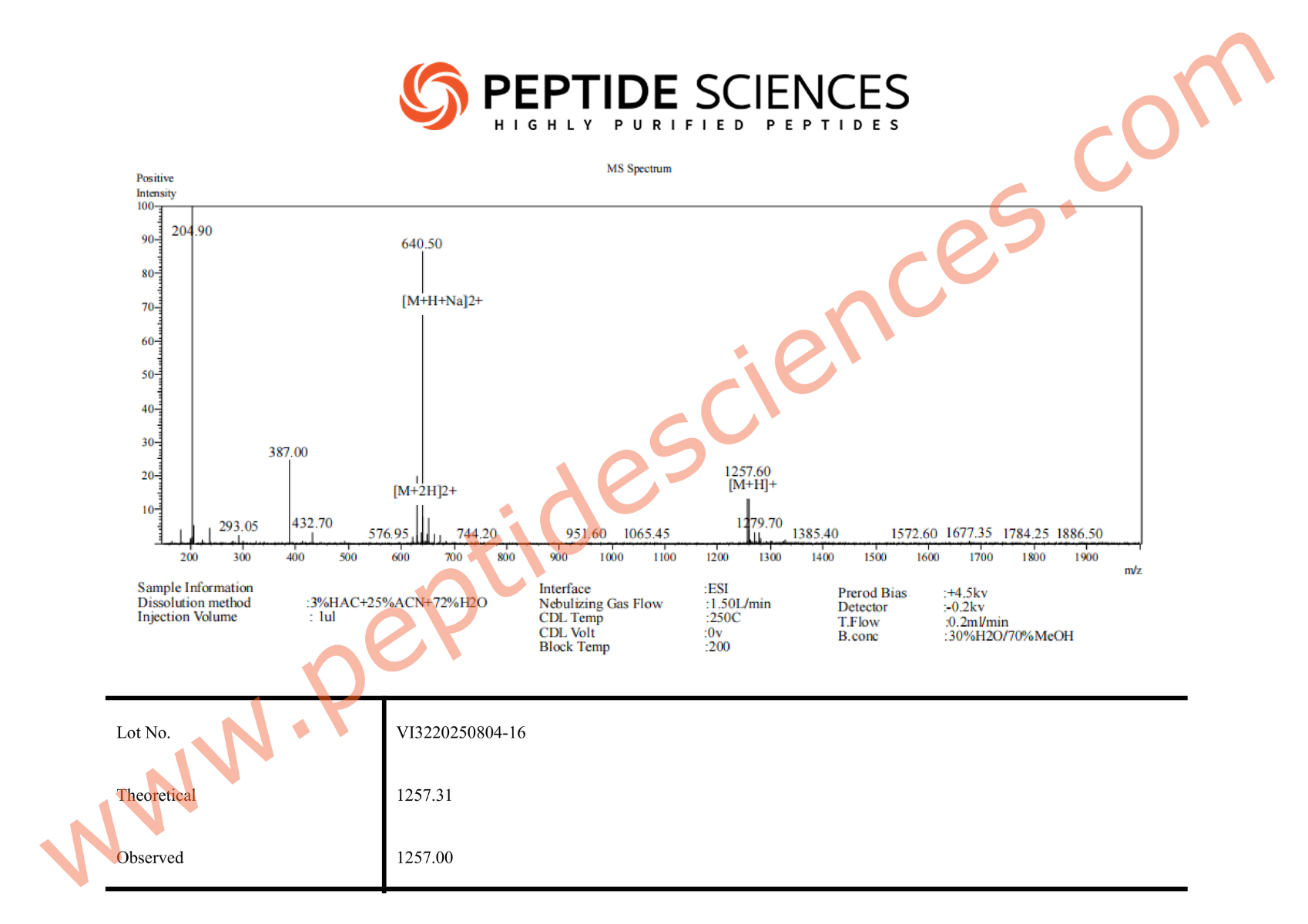
Molecular Weight: 1257.3 g/mol
PubChem CID: 91810664
CAS No: 1208243-50-8
Synonyms: cibinetide, PH-BSP
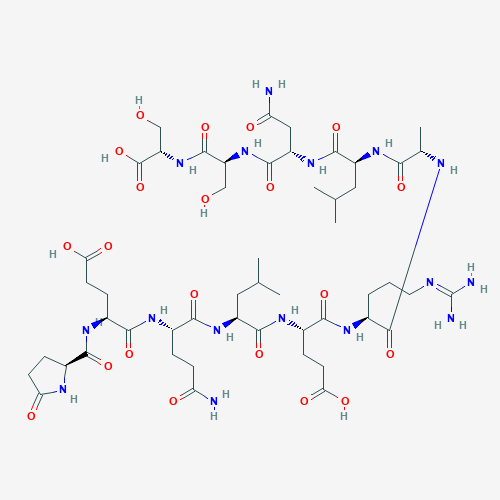
Source: PubChem
Research Applications
ARA-290 is applied in laboratory research to examine signaling pathways associated with cellular stress tolerance, immune-cell cytokine regulation, endothelial progenitor cell dynamics, and receptor-mediated intracellular signaling.
Common experimental contexts include endothelial cell culture assays, macrophage activation models, immune-cell signaling studies, and in-vivo rodent models assessing molecular and histological endpoints related to inflammation and tissue homeostasis.
Pathway / Mechanistic Context
ARA-290 selectively engages the erythropoietin receptor–β common receptor heterocomplex rather than the classical homodimeric erythropoietin receptor responsible for erythropoiesis. Activation of this receptor complex initiates intracellular signaling cascades involving JAK2, PI3K/Akt, and NF-κB-associated pathways.
Experimental data indicate modulation of macrophage cytokine secretion, attenuation of pro-inflammatory transcriptional programs, and regulation of apoptotic signaling under cellular stress conditions. These effects are evaluated using transcriptional profiling, cytokine quantification assays, and pathway-level biochemical measurements.
Additional mechanistic investigations explore interactions between ARA-290 signaling and ion channel activity, including TRPV1 modulation, within preclinical cellular and animal systems.
Preclinical Research Summary
In animal models, ARA-290 has been studied for its influence on endothelial progenitor cell proliferation, migration, and homing behavior, as well as its effects on macrophage-mediated inflammatory signaling.
Additional preclinical investigations evaluate ARA-290 in models of experimental colitis, immune-mediated tissue injury, and metabolic stress, with outcomes measured via histological analysis, immune-cell profiling, cytokine expression, and receptor-specific signaling readouts.
Neural studies focus on small-fiber nerve integrity, receptor-mediated modulation of nociceptive signaling pathways, and cellular stress resilience, assessed exclusively through laboratory and animal research methodologies.
Form & Analytical Testing
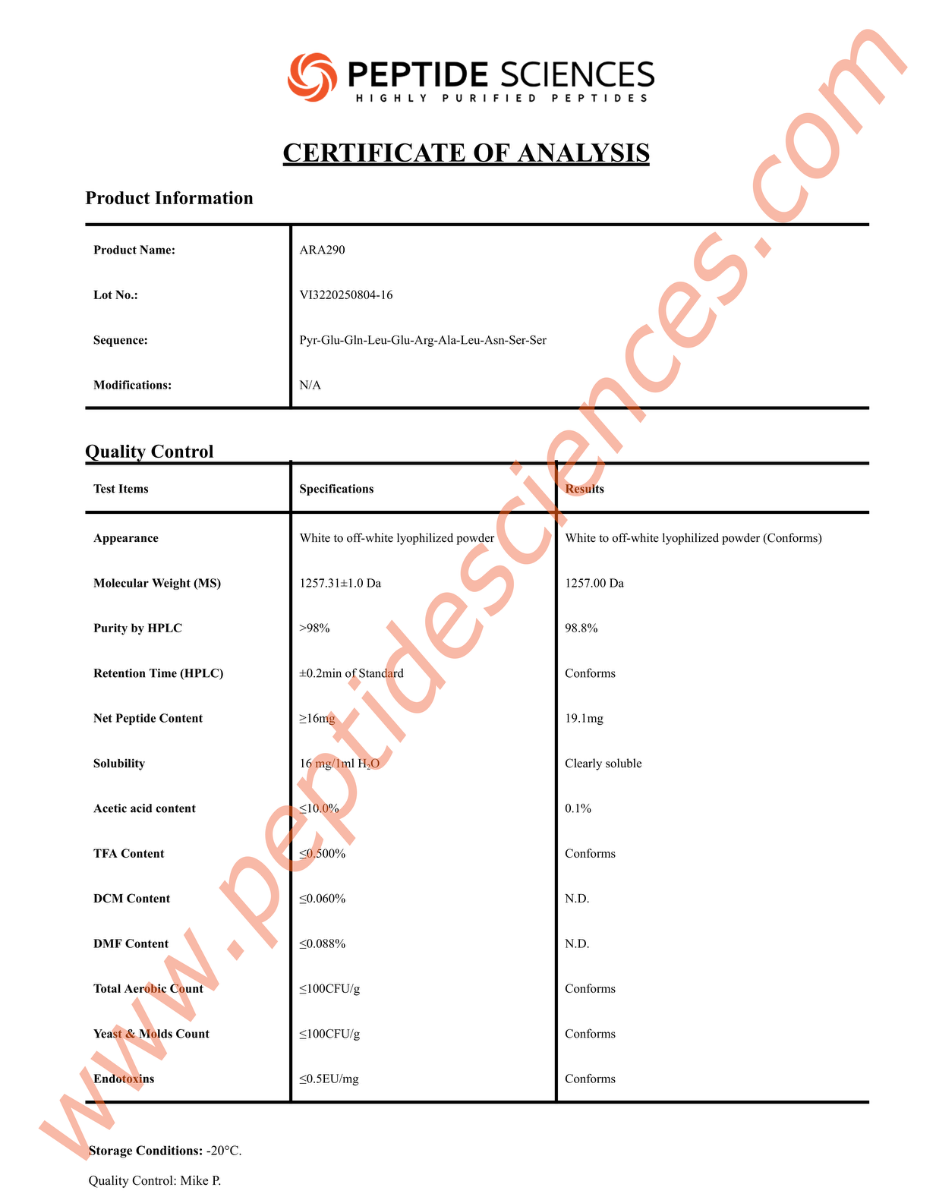
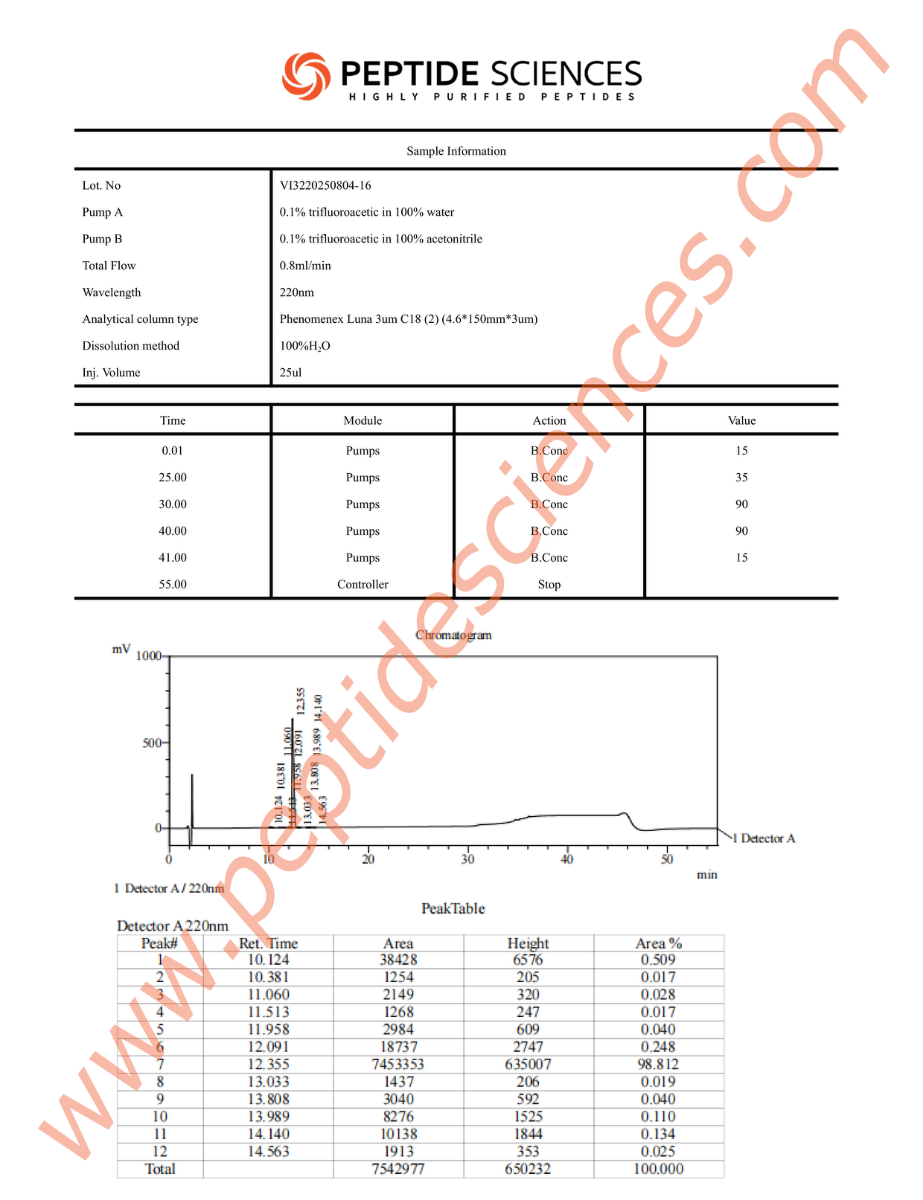
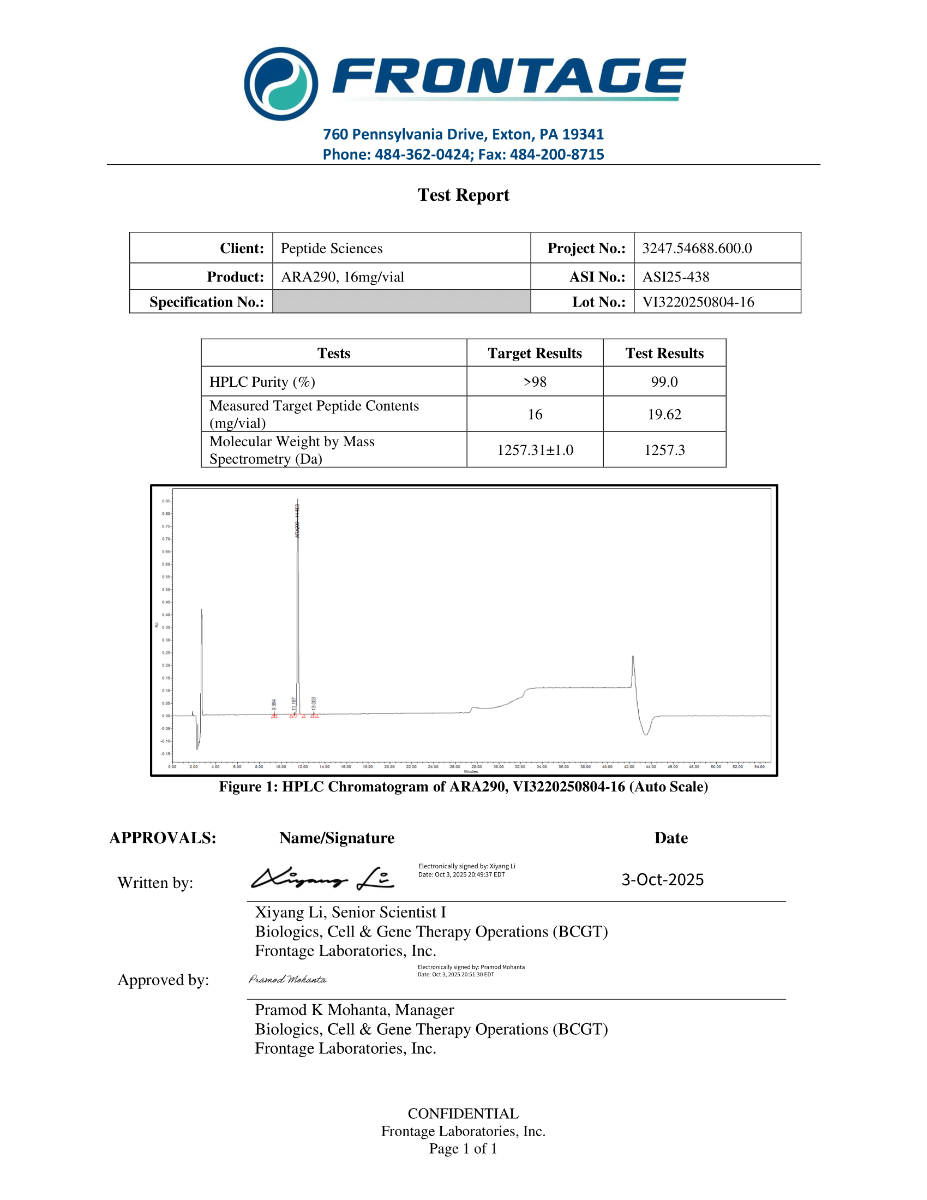
ARA-290 is supplied as a synthetic research peptide. Identity and purity are confirmed using high-performance liquid chromatography (HPLC) and mass spectrometry (MS).
This material is provided strictly for laboratory research use and is not formulated for diagnostic, medical, or veterinary applications.
Article Author
The above literature was researched, edited and organized by Dr. E. Logan, M.D. Dr. E. Logan holds a doctorate degree from Case Western Reserve University School of Medicine and a B.S. in molecular biology.
Scientific Journal Author
Dr. Michael Brines received a BS with highest honors in physics and biology from the University of Notre Dame and a PhD in neurobiology and behavior from The Rockefeller University. Subsequently, he earned his MD from Yale University and completed a residency in Internal Medicine at Yale-New Haven Hospital. Following residency, he completed fellowship training in Clinical Investigation, as well as Endocrinology, Diabetes, and Metabolism at Yale. Michael Brines is board certified in Internal Medicine as well as in Endocrinology, Diabetes, & Metabolism. Michael Brines has been the inventor or co-inventor on numerous US patents and foreign counterparts, and has authored or coauthored more than 100 scientific publications.
Michael Brines, M.D. is being referenced as one of the leading scientists involved in the research and development of ARA-290. In no way is this doctor/scientist endorsing or advocating the purchase, sale, or use of this product for any reason. There is no affiliation or relationship, implied or otherwise, between Peptide Sciences and this doctor. The purpose of citing the doctor is to acknowledge, recognize, and credit the exhaustive research and development efforts conducted by the scientists studying this peptide. Dr. Michael Brines is listed in [9] under the referenced citations.
Referenced Citations
- M. S. Hosseini-Zare, S. Dashti-Khavidaki, M. Mahdavi-Mazdeh, F. Ahmadi, and S. Akrami, “Peripheral neuropathy response to erythropoietin in type 2 diabetic patients with mild to moderate renal failure,” Clin. Neurol. Neurosurg., vol. 114, no. 6, pp. 663–667, Jul. 2012, doi: 10.1016/j.clineuro.2012.01.007.
- O. E. O’Leary et al., “The vasoreparative potential of endothelial colony-forming cells in the ischemic retina is enhanced by cibinetide, a non-hematopoietic erythropoietin mimetic,” Exp. Eye Res., vol. 182, pp. 144–155, 2019, doi: 10.1016/j.exer.2019.03.001.
- G. Hache et al., “ARA290, a Specific Agonist of Erythropoietin/CD131 Heteroreceptor, Improves Circulating Endothelial Progenitors’ Angiogenic Potential and Homing Ability,” Shock Augusta Ga, vol. 46, no. 4, pp. 390–397, 2016, doi: 10.1097/SHK.0000000000000606.
- M. Watanabe et al., “A Nonhematopoietic Erythropoietin Analogue, ARA 290, Inhibits Macrophage Activation and Prevents Damage to Transplanted Islets,” Transplantation, vol. 100, no. 3, pp. 554–562, Mar. 2016, doi: 10.1097/TP.0000000000001026.
- B. Peng, G. Kong, C. Yang, and Y. Ming, “Erythropoietin and its derivatives: from tissue protection to immune regulation,” Cell Death Dis., vol. 11, no. 2, p. 79, Feb. 2020, doi: 10.1038/s41419-020-2276-8.
- L. Yan et al., “EPO Derivative ARA290 Attenuates Early Renal Allograft Injury in Rats by Targeting NF-κB Pathway,” Transplant. Proc., vol. 50, no. 5, pp. 1575–1582, 2018, doi: 10.1016/j.transproceed.2018.03.015.
- M. Nairz et al., “Cibinetide dampens innate immune cell functions thus ameliorating the course of experimental colitis,” Sci. Rep., vol. 7, no. 1, p. 13012, 12 2017, doi: 10.1038/s41598-017-13046-3.
- B. Huang et al., “Non-erythropoietic erythropoietin-derived peptide protects mice from systemic lupus erythematosus,” J. Cell. Mol. Med., vol. 22, no. 7, pp. 3330–3339, 2018, doi: 10.1111/jcmm.13608.
- M. Brines et al., “ARA 290, a nonerythropoietic peptide engineered from erythropoietin, improves metabolic control and neuropathic symptoms in patients with type 2 diabetes,” Mol. Med. Camb. Mass, vol. 20, pp. 658–666, Mar. 2015, doi: 10.2119/molmed.2014.00215.
- D. A. Culver et al., “Cibinetide Improves Corneal Nerve Fiber Abundance in Patients With Sarcoidosis-Associated Small Nerve Fiber Loss and Neuropathic Pain,” Invest. Ophthalmol. Vis. Sci., vol. 58, no. 6, pp. BIO52–BIO60, 01 2017, doi: 10.1167/iovs.16-21291.
- M. van Velzen et al., “ARA 290 for treatment of small fiber neuropathy in sarcoidosis,” Expert Opin. Investig. Drugs, vol. 23, no. 4, pp. 541–550, Apr. 2014, doi: 10.1517/13543784.2014.892072.
- A. Bitto et al., “Activation of the EPOR-β common receptor complex by cibinetide ameliorates impaired wound healing in mice with genetic diabetes,” Biochim. Biophys. Acta BBA – Mol. Basis Dis., vol. 1864, no. 2, pp. 632–639, Feb. 2018, doi: 10.1016/j.bbadis.2017.12.006.
ALL ARTICLES AND PRODUCT INFORMATION PROVIDED ON THIS WEBSITE ARE FOR INFORMATIONAL AND EDUCATIONAL PURPOSES ONLY.
RUO Disclaimer
The products offered on this website are furnished for in-vitro studies only. In-vitro studies (Latin: in glass) are performed outside of the body. These products are not medicines or drugs and have not been approved by the FDA to prevent, treat or cure any medical condition, ailment or disease. Bodily introduction of any kind into humans or animals is strictly forbidden by law.
For Laboratory Research Only. Not for human use, medical use, diagnostic use, or veterinary use.
Storage Instructions:
All of our products are manufactured using the Lyophilization (Freeze Drying) process, which ensures that our products remain 100% stable for shipping for up to 3-4 months.
Once the peptides are reconstituted (mixed with bacteriostatic water), they must be stored in the fridge to maintain stability. After reconstitution, the peptides will remain stable for up to 30 days.
Lyophilization is a unique dehydration process, also known as cryodesiccation, where the peptides are frozen and then subjected to low pressure. This causes the water in the peptide vial to sublimate directly from solid to gas, leaving behind a stable, crystalline white structure known as lyophilized peptide. The puffy white powder can be stored at room temperature until you’re ready to reconstitute it with bacteriostatic water.
Once peptides have been received, it is imperative that they are kept cold and away from light. If the peptides will be used immediately, or in the next several days, weeks or months, short-term refrigeration under 4C (39F) is generally acceptable. Lyophilized peptides are usually stable at room temperatures for several weeks or more, so if they will be utilized within weeks or months such storage is typically adequate.
However, for longer term storage (several months to years) it is more preferable to store peptides in a freezer at -80C (-112F). When storing peptides for months or even years, freezing is optimal in order to preserve the peptide’s stability.
Why Choose Our ARA-290 16mg?
When you are looking for ARA-290 16mg for sale, quality is paramount.
Our products undergo rigorous testing to ensure they meet the strict requirements of laboratory environments.
By choosing to buy ARA-290 16mg from our store, you are guaranteed a product that is:
- High Purity (Tested for 99%+)
- Fast Shipping – Always in stock
- Secure Packaging for Research Integrity
- Competitive Pricing for Bulk Orders
Specifications & Technical Data
| Feature | Specification |
|---|---|
| Product Name | ARA-290 16mg |
| SKU | 8 |
| Purity | >99% |
| Form | Research Grade Compound |
| Availability | In Stock / For Sale |
Scientific Research & Clinical Applications
The research surrounding ARA-290 16mg is vast. Scientists explore its potential in various metabolic and physiological models.
For more detailed scientific data, you can visit PubMed
to review the latest peer-reviewed literature regarding this compound.
Frequently Asked Questions
Where can I buy ARA-290 16mg?
You can buy ARA-290 16mg directly from our website. We provide a secure checkout and fast shipping to ensure your research stays on track.
Is ARA-290 16mg in stock?
Yes, we currently have ARA-290 16mg in stock. Orders are typically processed within 24 hours to ensure rapid delivery to your laboratory.
Related Research Products
If you are interested in ARA-290 16mg, you may also want to explore these related products currently in stock:
- Tesamorelin, Ipamorelin 8mg (Blend)
- Hexarelin (2mg x 10), CJC-1295 no DAC (2mg x 10)
- Gut Inflammation (60 Capsules) (Stable BPC-157 Arginate, KPV, Larazotide)
Disclaimer: All products listed are for research purposes only. Not for human consumption.
Related products

All Peptides

All Peptides
All Peptides

All Peptides

All Peptides

All Peptides

All Peptides

All Peptides