
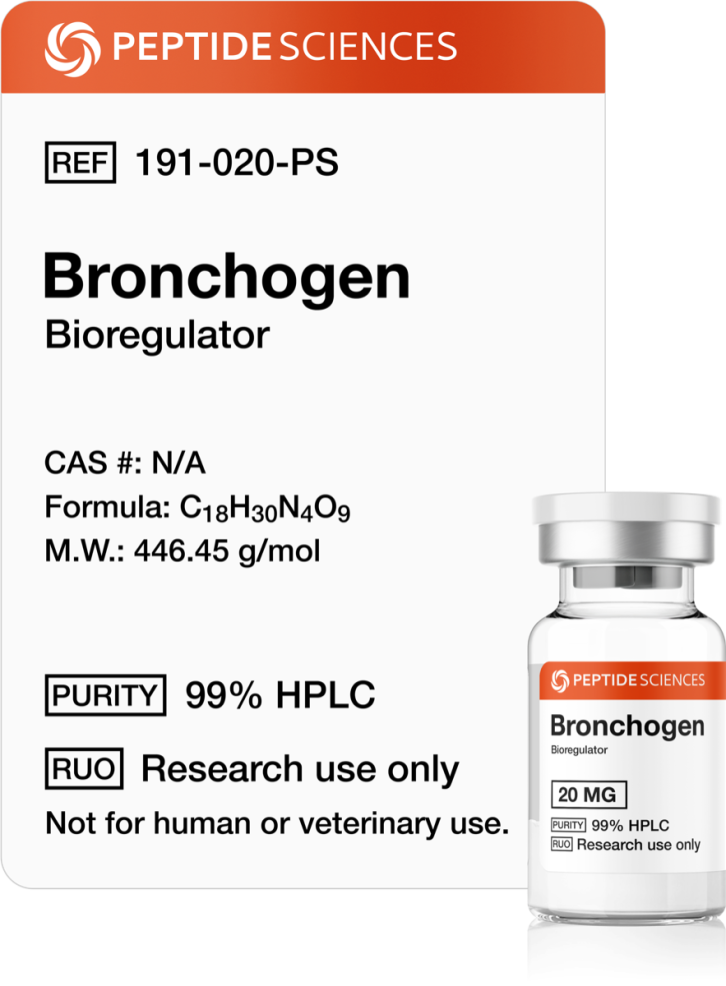
Bronchogen 20mg (Bioregulator)
$70.00
Bronchogen is a peptide bioregulator derived from bronchial tissue extracts studied for its influence on respiratory epithelial regeneration and alveolar cell gene expression. It modulates peptide-mediated cytokine signaling, smooth muscle tone, and oxidative response pathways. Bronchogen is used in research investigating pulmonary peptide regulation and airway cellular homeostasis.
For research use only. Not for human consumption.
References:
Khavinson VK et al., Bull Exp Biol Med, 2004 137(5):597–600
Trofimova SV et al., Adv Gerontol, 2015 28(3):432–439
Linkova NS et al., Biochemistry (Moscow), 2012 77(7):874–881
🔥 Exclusive Crypto Offer
Get an INSTANT 15% DISCOUNT when you pay with Bitcoin, Ethereum, Dogecoin, Bitcoin Cash, XRP, Solana, or USDT.
⚡ Don't have crypto? Buy it here in 5 minutes with easy guidance.
Bronchogen 20mg (Bioregulator) – Buy High-Quality Bronchogen 20mg (Bioregulator) Online
Looking to buy Bronchogen 20mg (Bioregulator) for your research laboratory? You have come to the right place.
We currently have Bronchogen 20mg (Bioregulator) for sale and it is in stock and ready for immediate shipping.
Our Bronchogen 20mg (Bioregulator) is of the highest purity, making it the best Bronchogen 20mg (Bioregulator) online for scientific studies.
Product Overview
Bronchogen 20mg (Bioregulator) is a premium research compound widely utilized in various scientific studies.
Researchers seeking to buy Bronchogen 20mg (Bioregulator) online often prioritize purity and consistency.
This compound has been studied extensively for its unique biochemical properties and its role in cellular pathways.
Overview
Bronchogen (Ala-Glu-Asp-Leu; AEDL) is a short synthetic tetrapeptide reported in preclinical literature to modulate nucleic-acid physicochemical stability and to influence transcriptional programs in a tissue-biased manner in experimental models. In vitro microcalorimetry studies have described increased DNA thermostability in the presence of Bronchogen[1]. Additional preclinical investigations in organotypic tissue culture and cell systems have associated short peptide bioregulators with altered differentiation trajectories and transcription factor–linked signaling signatures, including reports involving CXCL12- and HOX-related regulatory nodes in aging-context experimental settings[2],[3].
This product page is provided as a technical, research-oriented overview for laboratory workflows involving peptide–DNA interaction studies, gene-regulatory screening, and mechanistic exploration in cell-based or animal model systems.
Biochemical Characteristics
Amino Acid Sequence: Ala-Glu-Asp-Leu (AEDL)
Chemical Formula: C18H30N4O9
Molecular Mass: 446.45 g/mol
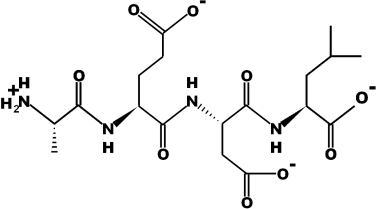
Source: Pepdraw
As a low-molecular-weight peptide (tetrapeptide), Bronchogen is frequently evaluated in reductionist biochemical systems where sequence-defined ligands can alter macromolecular stability, chromatin-associated binding equilibria, or transcriptional responsiveness. Literature characterizes Bronchogen as a short regulatory peptide with reported effects on DNA thermal transitions under controlled in vitro conditions[1].
Research Applications
Bronchogen has been used or discussed in preclinical contexts relevant to:
- DNA thermostability and peptide–nucleic acid interaction assays (e.g., differential scanning calorimetry/microcalorimetry paradigms)[1]
- Transcriptional regulation screening in cell systems and organotypic tissue cultures, including comparisons across age-context experimental models[2],[3]
- Mechanistic studies of epithelial remodeling and inflammatory signaling readouts in animal models of obstructive lung pathology, where peptide-dependent shifts in morphofunctional state and cytokine-associated markers have been reported[5],[6]
- Plant molecular biology studies examining short exogenous peptides as regulators of developmental gene networks (CLE, KNOX1, GRF gene families) in Nicotiana tabacum[7]
Appropriate endpoints for laboratory workflows may include nucleic-acid melting profiles, reporter assays for transcriptional activity, qPCR/RT-qPCR panels for pathway targets, immunoblotting for signaling intermediates, histology or morphometry in animal models, and multiplex cytokine profiling where relevant to study design.
Pathway / Mechanistic Context
Published preclinical work has positioned Bronchogen within a broader class of short peptides investigated for their capacity to influence gene expression and differentiation programs in a tissue-biased manner. Mechanistic interpretations in the literature include:
- DNA stability modulation: In vitro calorimetry has reported an increase in DNA melting temperature in the presence of Bronchogen, consistent with altered DNA duplex stability or changes in hydration/ionic microenvironment around nucleic acids[1]. Such effects are commonly interrogated via thermal denaturation curves and calorimetric enthalpy/entropy estimates.
- Transcriptional network responsiveness: Organotypic and cellular studies of peptide bioregulators have reported changes in differentiation-related outputs with tissue specificity and age-context dependence, including associations with CXCL12- and HOX-family regulatory signatures in experimental systems[2],[3]. These nodes intersect with chemokine-driven migration cues and HOX-linked patterning/differentiation programs, respectively, and are frequently studied via transcriptomics and transcription factor activity assays.
- Inflammation-linked signaling readouts in animal models: In rodent obstructive lung pathology models, peptide-associated shifts in epithelial morphofunctional parameters and inflammatory marker profiles have been described in the cited literature[5],[6]. These readouts are typically interpreted through the lens of cytokine networks, epithelial barrier state, and remodeling-associated gene expression programs.
- Cross-kingdom gene regulatory effects: In plant systems, short exogenous peptides have been reported to regulate expression of developmental gene families (CLE, KNOX1, GRF), supporting use as tools to probe conserved features of peptide-mediated transcriptional control and developmental signaling[7].
Preclinical Research Summary
DNA thermostability (in vitro): Microcalorimetric evaluation has reported increased DNA thermostability in the presence of Bronchogen, reflected as an elevation in melting temperature under the experimental conditions described[1]. This observation is used experimentally as a proxy measure for peptide-associated shifts in DNA duplex stability and can be integrated into mechanistic studies of DNA–ligand interactions and nucleic-acid biophysics.
Tissue-specific and age-context differentiation effects (preclinical culture models): Studies in organotypic tissue culture and cell systems have described tissue-biased effects of synthetic short peptides on differentiation-related outputs, including comparative observations across young and older experimental contexts[2],[3]. These reports support use of Bronchogen-class peptides as tools for probing transcriptional and differentiation dynamics in controlled model systems.
Rodent obstructive lung pathology models (in vivo): Preclinical rodent studies cited below have evaluated peptide-associated changes in bronchial epithelium morphofunctional parameters and inflammation-linked readouts in induced obstructive lung pathology models[5],[6]. These reports provide an experimental basis for laboratory investigation of epithelial remodeling, cytokine signaling, and barrier-state endpoints within animal model frameworks.
Plant gene expression regulation (in vivo plant model): In Nicotiana tabacum, short exogenous peptides have been reported to regulate expression of CLE, KNOX1, and GRF family genes, providing a platform for mechanistic studies of peptide-driven transcriptional regulation in plant developmental biology[7].
Form & Analytical Testing
Bronchogen is supplied as a synthetic research peptide intended for laboratory workflows. Typical analytical characterization for peptides of this class may include (as applicable to a given lot/specification):
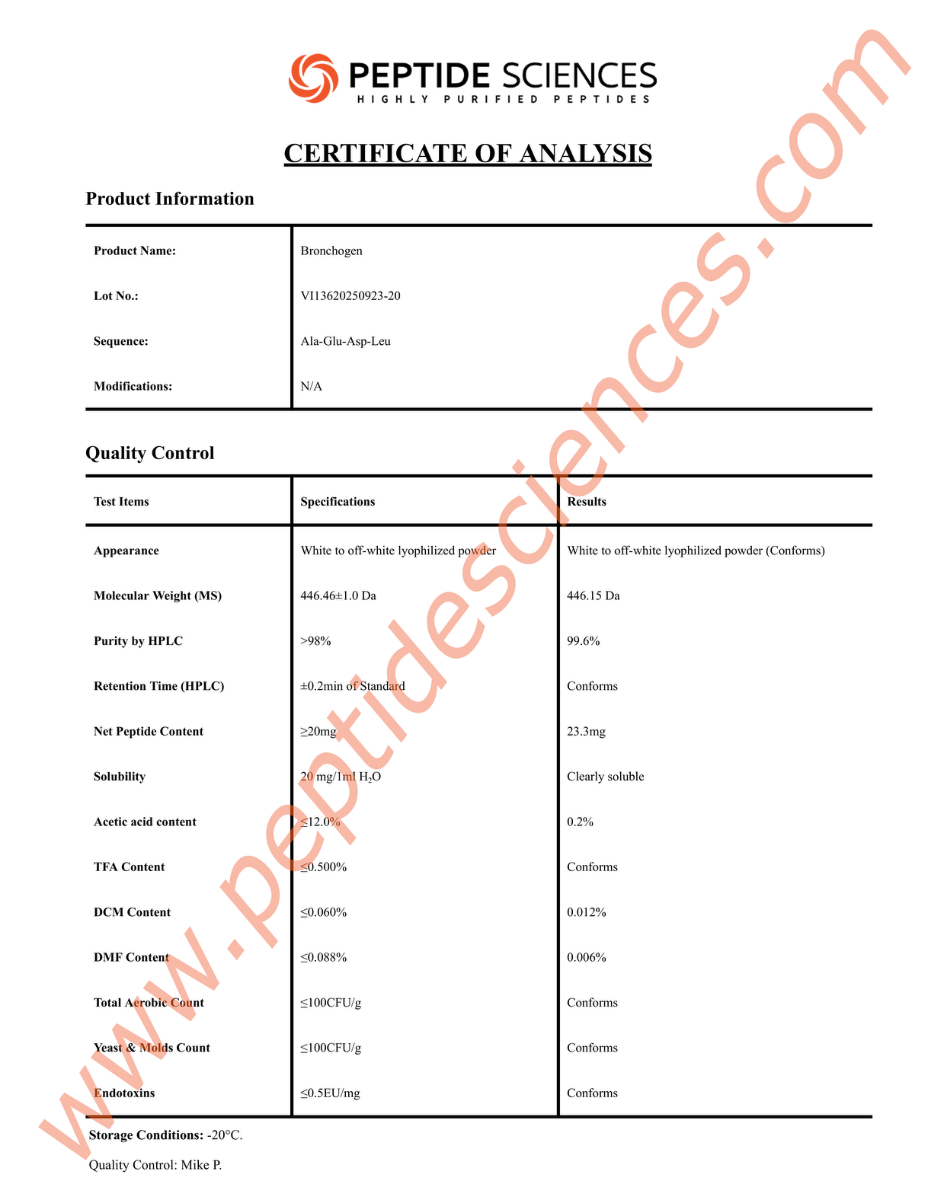
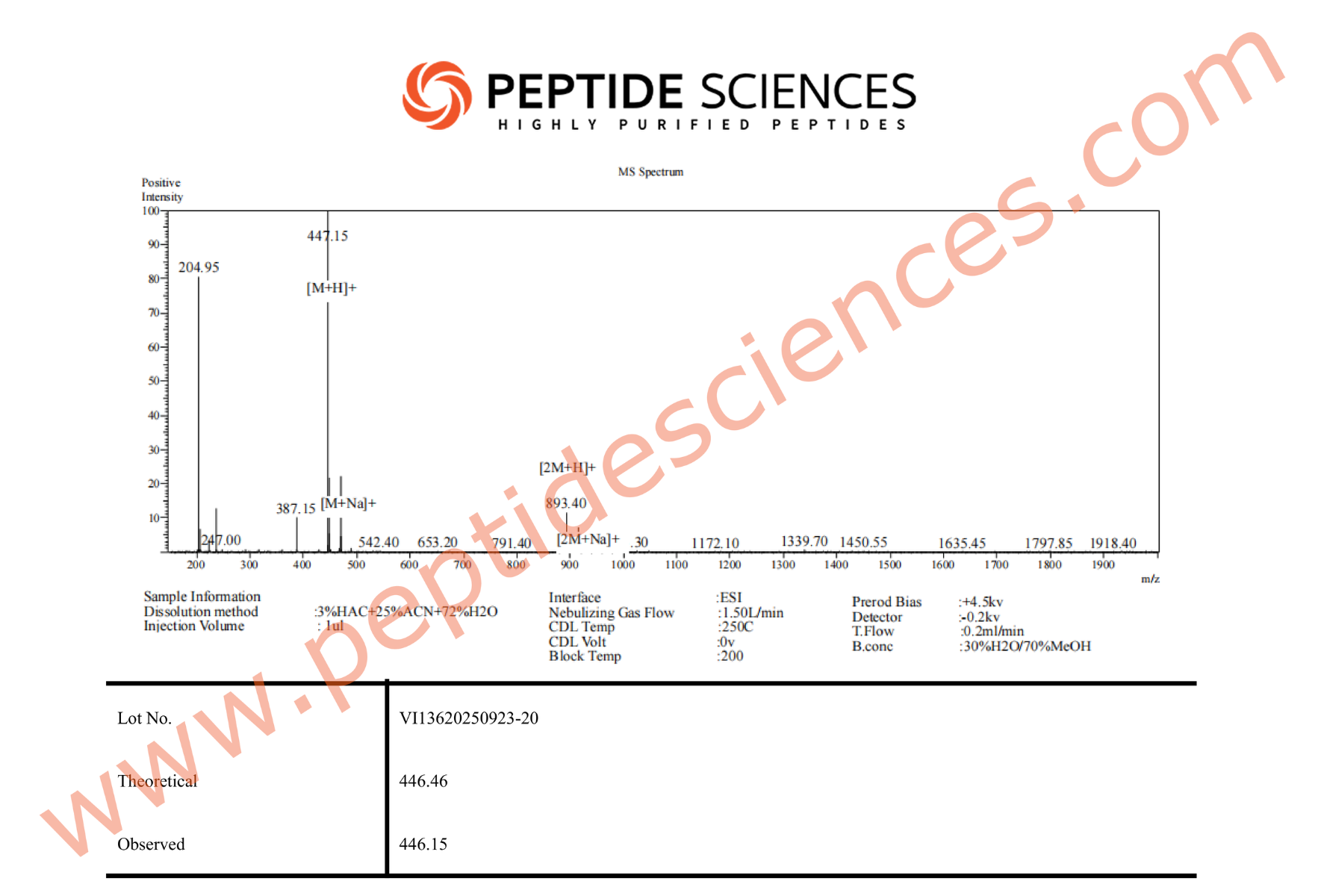
- Identity confirmation by mass spectrometry (MS)
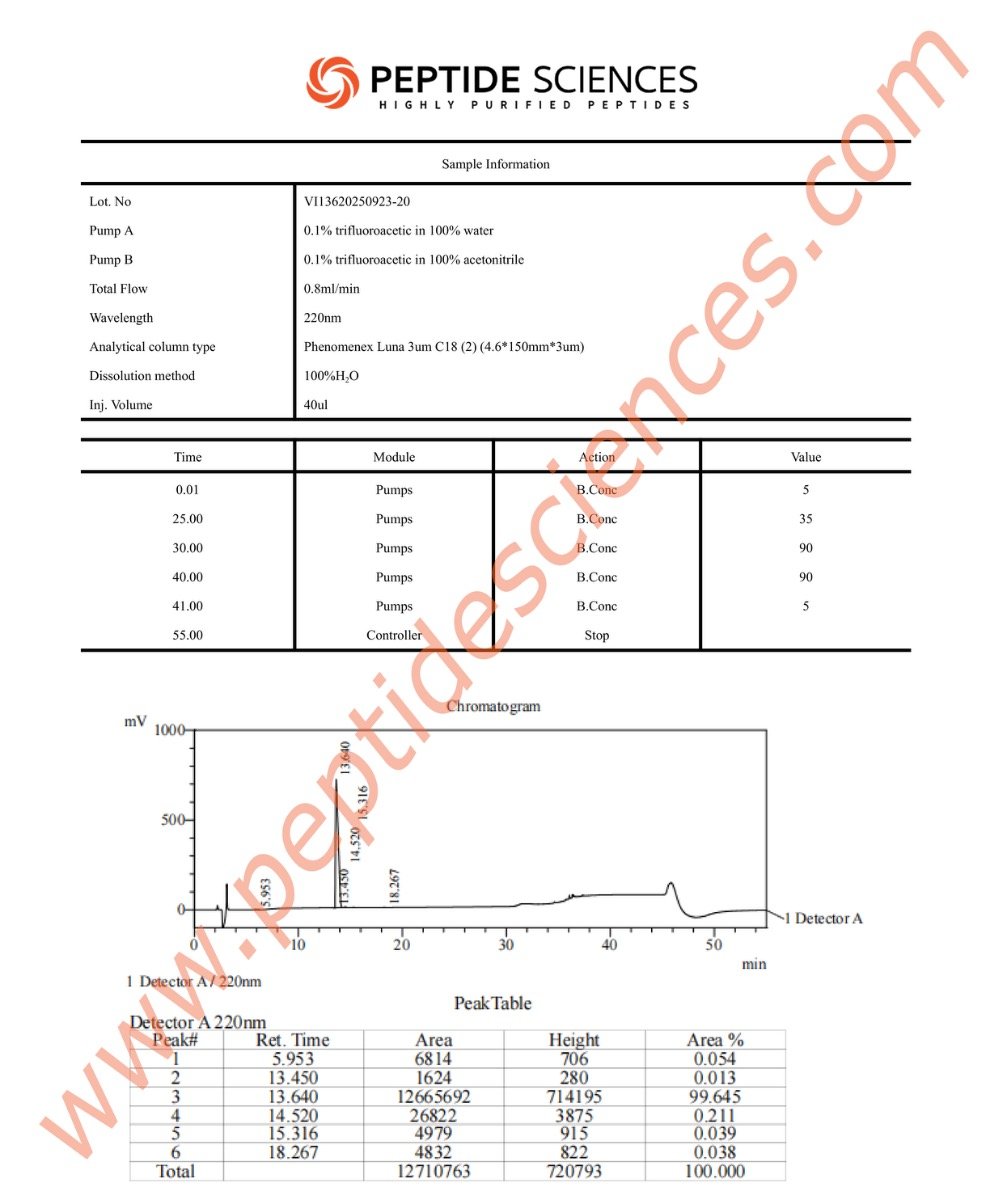
- Purity assessment by HPLC/UPLC
- Optional residual solvent and counterion testing depending on synthesis and finishing processes
Researchers should design handling, storage, and reconstitution protocols according to institutional laboratory SOPs and the specific analytical documentation accompanying the material (e.g., COA where provided).
Article Author
The above literature was researched, edited and organized by Dr. E. Logan, M.D. Dr. E. Logan holds a doctorate degree from Case Western Reserve University School of Medicine and a B.S. in molecular biology.
Scientific Journal Author
 Vladimir Khavinson is a Professor, President of the European region of the International Association of Gerontology and Geriatrics; Member of the Russian and Ukrainian Academies of Medical Sciences; Main gerontologist of the Health Committee of the Government of Saint Petersburg, Russia; Director of the Saint Petersburg Institute of Bioregulation and Gerontology; Vice-president of Gerontological Society of the Russian Academy of Sciences; Head of the Chair of Gerontology and Geriatrics of the North-Western State Medical University, St-Petersburg; Colonel of medical service (USSR, Russia), retired. Vladimir Khavinson is known for the discovery, experimental and clinical studies of new classes of peptide bioregulators as well as for the development of bioregulating peptide therapy. He is engaged in studying of the role of peptides in regulation of the mechanisms of ageing. His main field of actions is design, pre-clinical and clinical studies of new peptide geroprotectors. A 40-year-long investigation resulted in a multitude of methods of application of peptide bioregulators to slow down the process of ageing and increase human life span. Six peptide-based pharmaceuticals and 64 peptide food supplements have been introduced into clinical practice by V. Khavinson. He is an author of 196 patents (Russian and international) as well as of 775 scientific publications. His major achievements are presented in two books: “Peptides and Ageing” (NEL, 2002) and “Gerontological aspects of genome peptide regulation” (Karger AG, 2005). Vladimir Khavinson introduced scientific specialty “Gerontology and Geriatrics” in the Russian Federation on the governmental level. Academic Council headed by V. Khavinson has oversighted over 200 Ph.D. and Doctorate theses from many different countries.
Prof. Vladimir Khavinson is being referenced as one of the leading scientists involved in the research and development of Bronchogen. In no way is this doctor/scientist endorsing or advocating the purchase, sale, or use of this product for any reason. There is no affiliation or relationship, implied or otherwise, between Peptide Sciences and this doctor. The purpose of citing the doctor is to acknowledge, recognize, and credit the exhaustive research and development efforts conducted by the scientists studying this peptide.
Referenced Citations
- J. R. Monaselidze et al., “Effect of the peptide bronchogen (Ala-Asp-Glu-Leu) on DNA thermostability,” Bull. Exp. Biol. Med., vol. 150, no. 3, pp. 375–377, Jan. 2011, doi: 10.1007/s10517-011-1146-x.
- A. N. Zakutskiĭ, N. I. Chalisova, G. A. Ryzhak, A. I. Aniskina, S. V. Filippov, and P. N. Zeziulin, “[The tissue-specific effect of synthetic peptides-biologic regulators in organotypic tissues culture in young and old rats],” Adv. Gerontol. Uspekhi Gerontol., vol. 19, pp. 93–96, 2006.
- V. K. Khavinson, N. S. Linkova, V. O. Polyakova, O. V. Kheifets, S. I. Tarnovskaya, and I. M. Kvetnoy, “Peptides tissue-specifically stimulate cell differentiation during their aging,” Bull. Exp. Biol. Med., vol. 153, no. 1, pp. 148–151, May 2012, doi: 10.1007/s10517-012-1664-1.
- J. Monaselidze, M. Kiladze, M. Gorgoshidze, D. Khachidze, and E. Lomidze, “Influence of anticarcinogenic metalloporphyrin Cu(II)TOEPyP(4) on DNA thermostability in vitro,” Georgian Med. News, no. 175, pp. 57–59, Oct. 2009.
- N. A. Kuzubova, E. S. Lebedeva, I. V. Dvorakovskaya, E. A. Surkova, I. S. Platonova, and O. N. Titova, “Modulating Effect of Peptide Therapy on the Morphofunctional State of Bronchial Epithelium in Rats with Obstructive Lung Pathology,” Bull. Exp. Biol. Med., vol. 159, no. 5, pp. 685–688, Sep. 2015, doi: 10.1007/s10517-015-3047-x.
- O. N. Titova, N. A. Kuzubova, E. S. Lebedeva, T. N. Preobrazhenskaya, E. A. Surkova, and I. V. Dvorakovskaya, “[ANTIINFLAMMATORY AND REGENERATIVE EFFECT OF PEPTIDE THERAPY IN THE MODEL OF OBSTRUCTIVE LUNG PATHOLOGY],” Ross. Fiziol. Zh. Im. I M Sechenova, vol. 103, no. 2, pp. 201–208, Feb. 2017.
- L. I. Fedoreyeva et al., “Short Exogenous Peptides Regulate Expression of CLE, KNOX1, and GRF Family Genes in Nicotiana tabacum,” Biochem. Biokhimiia, vol. 82, no. 4, pp. 521–528, Apr. 2017, doi: 10.1134/S0006297917040149.
ALL ARTICLES AND PRODUCT INFORMATION PROVIDED ON THIS WEBSITE ARE FOR INFORMATIONAL AND EDUCATIONAL PURPOSES ONLY.
RUO Disclaimer
The products offered on this website are furnished for in-vitro studies only. In-vitro studies (Latin: in glass) are performed outside of the body. These products are not medicines or drugs and have not been approved by the FDA to prevent, treat or cure any medical condition, ailment or disease. Bodily introduction of any kind into humans or animals is strictly forbidden by law.
For Laboratory Research Only. Not for human use, medical use, diagnostic use, or veterinary use.
Storage Instructions:
All of our products are manufactured using the Lyophilization (Freeze Drying) process, which ensures that our products remain 100% stable for shipping for up to 3-4 months.
Once the peptides are reconstituted (mixed with bacteriostatic water), they must be stored in the fridge to maintain stability. After reconstitution, the peptides will remain stable for up to 30 days.
Lyophilization is a unique dehydration process, also known as cryodesiccation, where the peptides are frozen and then subjected to low pressure. This causes the water in the peptide vial to sublimate directly from solid to gas, leaving behind a stable, crystalline white structure known as lyophilized peptide. The puffy white powder can be stored at room temperature until you’re ready to reconstitute it with bacteriostatic water.
Once peptides have been received, it is imperative that they are kept cold and away from light. If the peptides will be used immediately, or in the next several days, weeks or months, short-term refrigeration under 4C (39F) is generally acceptable. Lyophilized peptides are usually stable at room temperatures for several weeks or more, so if they will be utilized within weeks or months such storage is typically adequate.
However, for longer term storage (several months to years) it is more preferable to store peptides in a freezer at -80C (-112F). When storing peptides for months or even years, freezing is optimal in order to preserve the peptide’s stability.
Why Choose Our Bronchogen 20mg (Bioregulator)?
When you are looking for Bronchogen 20mg (Bioregulator) for sale, quality is paramount.
Our products undergo rigorous testing to ensure they meet the strict requirements of laboratory environments.
By choosing to buy Bronchogen 20mg (Bioregulator) from our store, you are guaranteed a product that is:
- High Purity (Tested for 99%+)
- Fast Shipping – Always in stock
- Secure Packaging for Research Integrity
- Competitive Pricing for Bulk Orders
Specifications & Technical Data
| Feature | Specification |
|---|---|
| Product Name | Bronchogen 20mg (Bioregulator) |
| SKU | 18 |
| Purity | >99% |
| Form | Research Grade Compound |
| Availability | In Stock / For Sale |
Scientific Research & Clinical Applications
The research surrounding Bronchogen 20mg (Bioregulator) is vast. Scientists explore its potential in various metabolic and physiological models.
For more detailed scientific data, you can visit PubMed
to review the latest peer-reviewed literature regarding this compound.
Frequently Asked Questions
Where can I buy Bronchogen 20mg (Bioregulator)?
You can buy Bronchogen 20mg (Bioregulator) directly from our website. We provide a secure checkout and fast shipping to ensure your research stays on track.
Is Bronchogen 20mg (Bioregulator) in stock?
Yes, we currently have Bronchogen 20mg (Bioregulator) in stock. Orders are typically processed within 24 hours to ensure rapid delivery to your laboratory.
Related Research Products
If you are interested in Bronchogen 20mg (Bioregulator), you may also want to explore these related products currently in stock:
- Methylene Blue (10mg x 60 Capsules = 600mg)
- Prostamax 20mg (Bioregulator)
- BPC-157, TB-500, KPV, GHK-Cu 80mg (Klow Blend)
Disclaimer: All products listed are for research purposes only. Not for human consumption.
Related products

All Peptides

All Peptides

All Peptides
All Peptides
All Peptides

All Peptides

All Peptides

All Peptides