
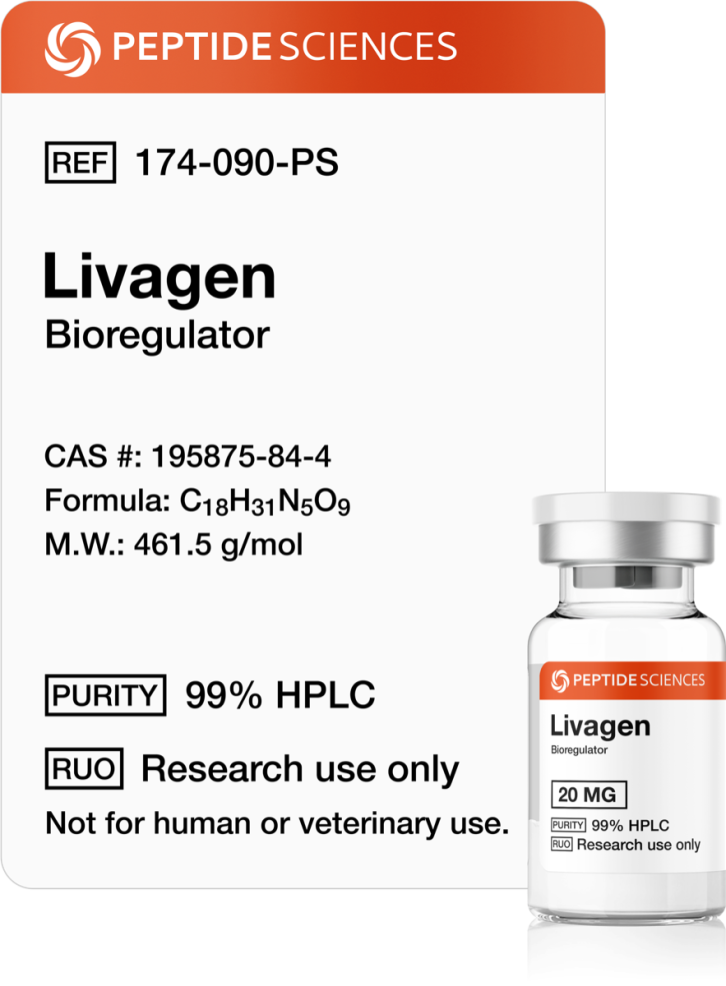
Livagen 20mg (Bioregulator)
$65.00
Livagen is a synthetic peptide bioregulator derived from liver tissue extracts composed of short amino acid sequences that influence hepatic gene expression and detoxification processes. It has been shown in experimental models to regulate protein synthesis, antioxidant activity, and lipid metabolism. Livagen is utilized in molecular and biochemical research exploring peptide-mediated hepatic homeostasis and gene regulation mechanisms.
For research use only. Not for human consumption.
References:
Khavinson VK et al., Bull Exp Biol Med, 2003 136(1):55–58
Morozov VG et al., Mech Ageing Dev, 1997 96(1–3):123–132
Anisimov VN et al., Arch Gerontol Geriatr, 2017 71:142–146
Livagen 20mg (Bioregulator) – Buy High-Quality Livagen 20mg (Bioregulator) Online
Looking to buy Livagen 20mg (Bioregulator) for your research laboratory? You have come to the right place.
We currently have Livagen 20mg (Bioregulator) for sale and it is in stock and ready for immediate shipping.
Our Livagen 20mg (Bioregulator) is of the highest purity, making it the best Livagen 20mg (Bioregulator) online for scientific studies.
Product Overview
Livagen 20mg (Bioregulator) is a premium research compound widely utilized in various scientific studies.
Researchers seeking to buy Livagen 20mg (Bioregulator) online often prioritize purity and consistency.
This compound has been studied extensively for its unique biochemical properties and its role in cellular pathways.
Overview
Livagen is a short tetrapeptide (Lys-Glu-Asp-Ala) described in the peptide bioregulator literature as a modulator of nuclear chromatin organization and transcriptional accessibility in differentiated cells. In experimental settings, Livagen has been evaluated for its capacity to influence higher-order DNA packaging (chromatin condensation state) and associated gene expression programs in immune-relevant cell populations (e.g., lymphocyte-enriched preparations) and other tissues examined in preclinical models.
This product page describes Livagen strictly in the context of laboratory research, emphasizing mechanistic hypotheses, biochemical features, and preclinical observations related to chromatin remodeling, transcriptional activation of previously inaccessible loci, and downstream cellular phenotypes measurable in vitro and in vivo animal systems.
Biochemical Characteristics
Amino Acid Sequence: Lys-Glu-Asp-Ala
Molecular Formula: C18H31N5O9
Molecular Weight: 461.5 g/mol
PubChem CID: 87919683
CAS No: 195875-84-4 (Deprecated: 402856-42-2)
Alternative Names: SCHEMBL5967826
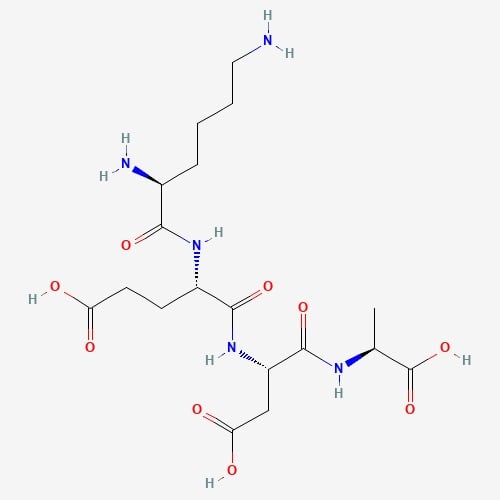
Source: PubChem
As a low-molecular-weight, charged peptide, Livagen is typically studied for interactions that may influence macromolecular assemblies (e.g., nucleoprotein complexes) and enzyme systems measurable via biochemical assays. In research workflows, sequence-confirmed material enables controlled investigation of sequence-dependent effects on chromatin accessibility, transcriptional output, and enzyme activity readouts under defined experimental conditions.
Research Applications
Livagen has been used in research programs investigating peptide-regulated genome function, particularly:
• Chromatin state modulation in lymphocyte-enriched cell populations (e.g., quantifying condensation/decondensation phenotypes and transcriptional accessibility)
• Gene expression shifts associated with nucleolar activity and ribosomal gene transcription (e.g., rRNA biogenesis markers, protein synthesis capacity proxies)
• Cellular functional outputs downstream of altered chromatin accessibility (e.g., cytokine transcription profiles in immune cells, proliferation indices, and stress-response transcriptional programs in vitro)
• Enzyme activity assays relevant to peptide metabolism and degradation pathways in biological matrices (e.g., peptidase activity measurements)
• Neuroimmune and gastrointestinal signaling research in animal models where endogenous opioid peptide systems and mucosal protection pathways are assessed via receptor pharmacology, mediator quantification (e.g., nitric oxide and prostaglandin signaling), and barrier function endpoints
Pathway / Mechanistic Context
In eukaryotic cells, genomic DNA is organized through hierarchical compaction, progressing from nucleosomes (DNA wrapped around histone proteins) to higher-order chromatin domains and ultimately condensed chromosomes during mitosis. This structural organization is not only a packaging solution; it is also a central regulatory layer controlling which genomic regions remain accessible to transcription factors, polymerases, and chromatin-associated enzymatic machinery[1].
Chromatin condensation state (euchromatin vs. heterochromatin) influences transcriptional permissiveness. Decondensation events can increase accessibility of specific loci, enabling transcriptional activation of gene sets that may be otherwise repressed under baseline conditions. In experimental systems, chromatin accessibility can be monitored using cytological approaches (e.g., heterochromatin markers, NOR activity, acrocentric association readouts) and molecular assays (e.g., transcriptional profiling, rRNA synthesis markers, and chromatin accessibility methods).
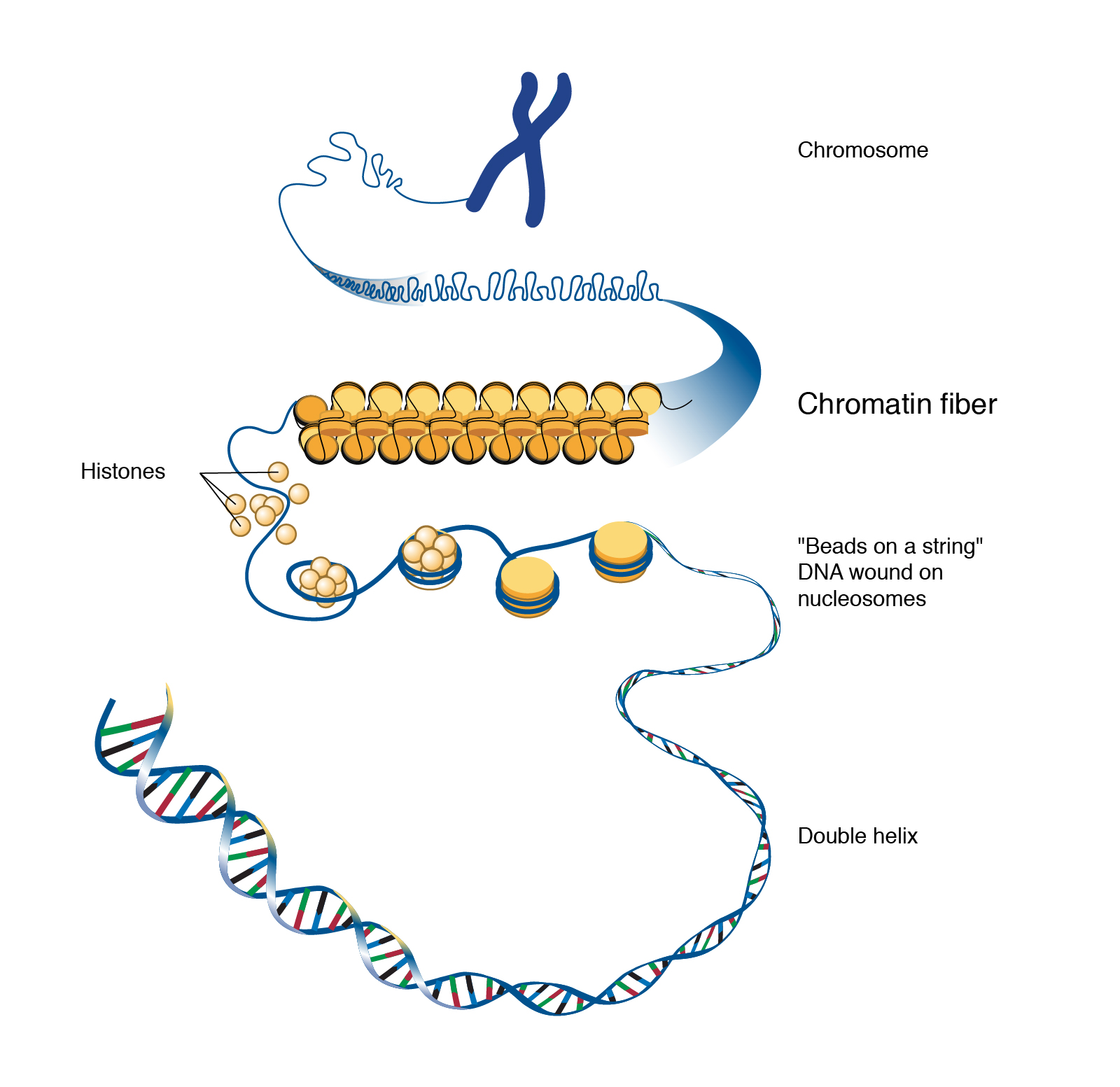
Source: NIH
Livagen has been described as influencing chromatin organization in lymphocyte preparations by promoting decondensation-associated readouts and shifting transcriptional activity patterns, including activation of loci linked to ribosomal biogenesis and synthetic capacity in certain experimental contexts[2]. Mechanistically, such observations are commonly interpreted as a change in nucleoprotein packaging that increases functional access to previously constrained genomic regions, thereby altering gene expression programs at a systems level.
Preclinical Research Summary
Published studies in the peptide bioregulator field report that short peptides, including Livagen and related sequences, can induce experimental markers consistent with chromatin “reactivation,” including shifts in condensation status and changes in transcriptional activity in lymphocyte-enriched systems[3]. In this literature, reported endpoints include chromatin decondensation phenotypes, altered gene expression patterns, and indices of increased nucleolar/ribosomal gene activity[2], [3].
Lymphocytes comprise multiple immune cell subsets (including B- and T-lineage populations) and are frequently used as model systems to study transcriptional control, cytokine signaling programs, and immunogenetic regulation under defined stimulation conditions[4]. Accordingly, chromatin accessibility shifts in these cells may be studied as upstream regulators of immune-relevant transcriptional circuits (e.g., stimulus-induced transcription, mediator production, and proliferation programs), without implying any diagnostic or therapeutic intent.
Genome Regulation Readouts in Cardiovascular-Related Research
Separate preclinical and translational research programs have examined chromatin organization and genomic instability markers in contexts associated with cardiovascular biology, including studies that evaluate heterochromatin state, NOR activity, and acrocentric chromosome associations in lymphocyte-based assays as experimental readouts[5], [6], [7], [8]. Within these experimental frameworks, peptide-driven modulation of chromatin accessibility is treated as a variable that may influence transcriptional programs and cellular phenotypes measurable in vitro.
Peptidase Modulation and Endogenous Opioid Peptide Signaling (Preclinical Context)
Endogenous opioid peptides (e.g., enkephalins) are regulated by enzymatic degradation pathways. In biochemical research, modulation of enkephalin-degrading enzyme activity provides a mechanistic handle to study how changes in peptide turnover can shift receptor-ligand availability and downstream signaling dynamics in controlled systems[9].
Preclinical pharmacology literature further supports a role for μ- and δ-opioid receptor signaling in experimental models of gastric mucosal protection in rodents, with downstream mediator changes (including nitric oxide and prostaglandin signaling) commonly quantified as mechanistic endpoints[10]. These findings are used to design laboratory experiments probing receptor-mediated signaling, mediator production, and barrier biology in animal models and ex vivo tissues.
Chromatin State, Genome Stability, and Cellular Aging Models
Chromatin remodeling and genome stability are frequently studied in cellular aging paradigms using cytogenetic markers (e.g., chromosomal aberrations, heterochromatin organization, and DNA repair-associated readouts) and transcriptional profiling[11]. Within this mechanistic space, peptide-driven chromatin decondensation has been discussed as a tool to interrogate relationships between higher-order genome packaging, transcriptional accessibility, and cellular functional outputs in model systems[12].
Livagen Summary
Livagen (Lys-Glu-Asp-Ala) is a short peptide used in research settings to investigate peptide-mediated regulation of genome function, with a primary emphasis on chromatin accessibility, transcriptional activation patterns, and downstream cellular phenotypes in lymphocyte-enriched preparations and other preclinical models. Additional published work has explored enzyme activity modulation relevant to endogenous peptide turnover and mechanistic links to receptor-mediated signaling in animal-model gastrointestinal protection paradigms.
Form & Analytical Testing
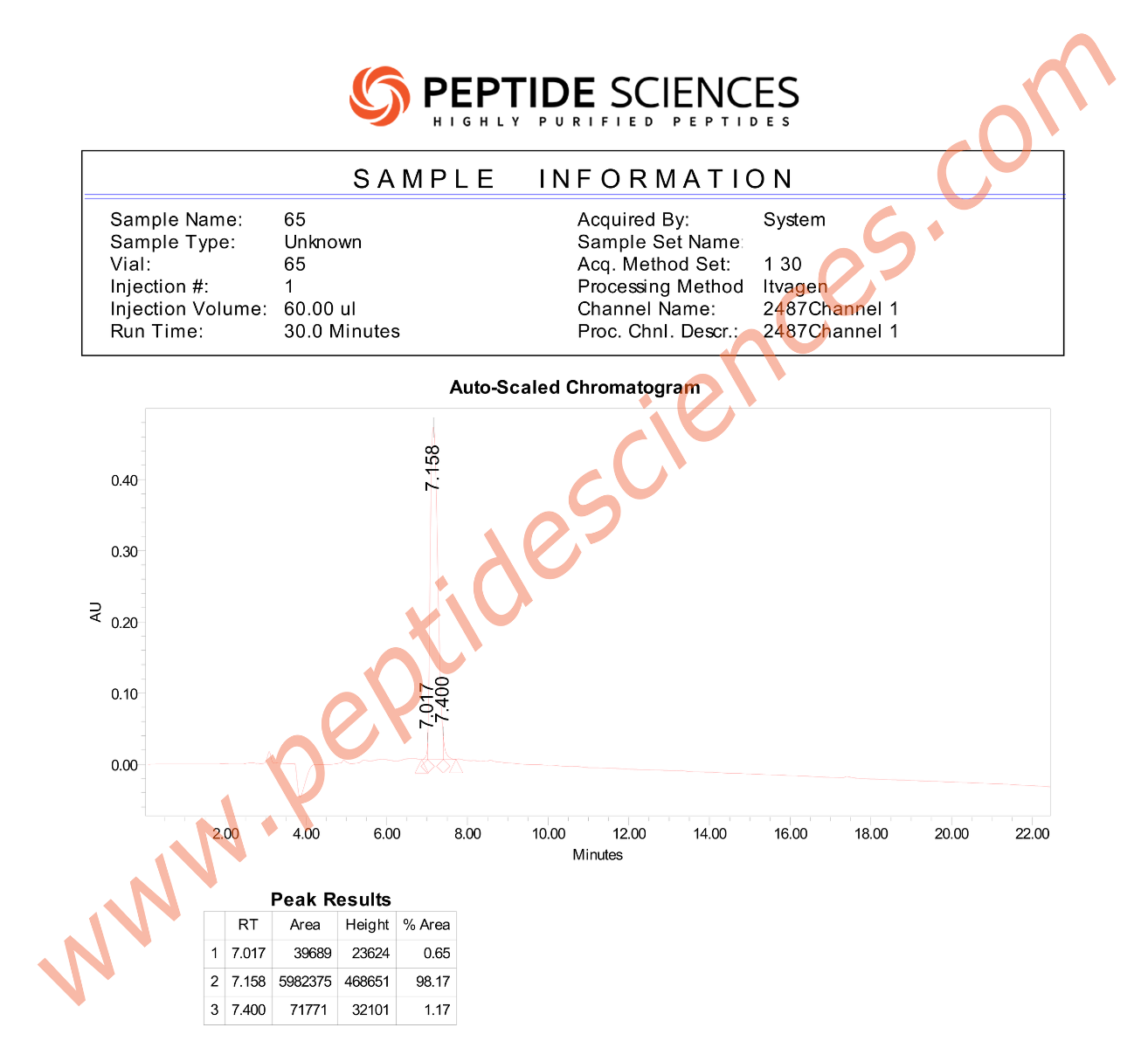
Livagen is supplied for laboratory research workflows where lot-to-lot consistency and analytical verification are required for reproducible experimental design. Standard analytical characterization for peptide identity and composition may include chromatographic and mass-based methods (e.g., HPLC-based purity assessment and mass spectrometric confirmation of molecular mass) as applicable to the specific batch documentation provided with the material.
Researchers commonly incorporate incoming quality checks (e.g., appearance inspection, reconstitution behavior under laboratory conditions, and analytical confirmation against expected sequence/mass) prior to use in assays involving chromatin accessibility, gene expression profiling, enzyme activity measurements, receptor signaling studies, and animal-model endpoints.
Article Author
The above literature was researched, edited and organized by Dr. E. Logan, M.D. Dr. E. Logan holds a doctorate degree from Case Western Reserve University School of Medicine and a B.S. in molecular biology.
Scientific Journal Author
 Vladimir Khavinson is a Professor, President of the European region of the International Association of Gerontology and Geriatrics; Member of the Russian and Ukrainian Academies of Medical Sciences; Main gerontologist of the Health Committee of the Government of Saint Petersburg, Russia; Director of the Saint Petersburg Institute of Bioregulation and Gerontology; Vice-president of Gerontological Society of the Russian Academy of Sciences; Head of the Chair of Gerontology and Geriatrics of the North-Western State Medical University, St-Petersburg; Colonel of medical service (USSR, Russia), retired. Vladimir Khavinson is known for the discovery, experimental and clinical studies of new classes of peptide bioregulators as well as for the development of bioregulating peptide therapy. He is engaged in studying of the role of peptides in regulation of the mechanisms of ageing. His main field of actions is design, pre-clinical and clinical studies of new peptide geroprotectors. A 40-year-long investigation resulted in a multitude of methods of application of peptide bioregulators to slow down the process of ageing and increase human life span. Six peptide-based pharmaceuticals and 64 peptide food supplements have been introduced into clinical practice by V. Khavinson. He is an author of 196 patents (Russian and international) as well as of 775 scientific publications. His major achievements are presented in two books: “Peptides and Ageing” (NEL, 2002) and “Gerontological aspects of genome peptide regulation” (Karger AG, 2005). Vladimir Khavinson introduced scientific specialty “Gerontology and Geriatrics” in the Russian Federation on the governmental level. Academic Council headed by V. Khavinson has oversighted over 200 Ph.D. and Doctorate theses from many different countries.
Prof. Vladimir Khavinson is being referenced as one of the leading scientists involved in the research and development of Livagen. In no way is this doctor/scientist endorsing or advocating the purchase, sale, or use of this product for any reason. There is no affiliation or relationship, implied or otherwise, between Peptide Sciences and this doctor. The purpose of citing the doctor is to acknowledge, recognize, and credit the exhaustive research and development efforts conducted by the scientists studying this peptide. Prof. Vladimir Khavinson is listed in [2] [9] and [12] under the referenced citations.
Referenced Citations
- “Chromatin,” Genome.gov. https://www.genome.gov/genetics-glossary/Chromatin (accessed Feb. 05, 2022).
- V. Kh. Khavinson et al., “Effects of Livagen Peptide on Chromatin Activation in Lymphocytes from Old People,” Bull. Exp. Biol. Med., vol. 134, no. 4, pp. 389–392, Oct. 2002, doi: 10.1023/A:1021924702103.
- T. Lezhava, J. Monaselidze, T. Kadotani, N. Dvalishvili, and T. Buadze, “Anti-aging peptide bioregulators induce reactivation of chromatin,” Georgian Med. News, no. 133, pp. 111–115, Apr. 2006.
- “Lymphocyte,” Genome.gov. https://www.genome.gov/genetics-glossary/Lymphocyte (accessed Feb. 05, 2022).
- T. A. Dzhokhadze, T. Z. Buadze, M. N. Gaiozishvili, N. G. Kakauridze, and T. A. Lezhava, “[Genomic instability in atherosclerosis],” Georgian Med. News, no. 236, pp. 82–86, Nov. 2014.
- T. Lezhava and T. Jokhadze, “Activation of pericentromeric and telomeric heterochromatin in cultured lymphocytes from old individuals,” Ann. N. Y. Acad. Sci., vol. 1100, pp. 387–399, Apr. 2007, doi: 10.1196/annals.1395.043.
- “[Effect of peptide bioregulator and cobalt ions on the activity of NORs and associations of acrocentric chromosomes in lymphocytes of patients with hypertrophic cardiomyopathy and their relatives],” Georgian Med. News, no. 234, pp. 134–137, Sep. 2014.
- T. A. Dzhokhadze, T. Z. Buadze, M. N. Gaĭozishvili, M. A. Rogava, and T. A. Lazhava, “[Functional regulation of genome with peptide bioregulators by hypertrophic cardiomyopathy (by patients and relatives)],” Georgian Med. News, no. 225, pp. 94–97, Dec. 2013.
- N. V. Kost, O. I. Sokolov, M. V. Gabaeva, I. A. Zolotarev, V. V. Malinin, and V. K. Khavinson, “[Effect of new peptide bioregulators livagen and epitalon on enkephalin-degrading enzymes in human serum],” Izv. Akad. Nauk. Ser. Biol., no. 4, pp. 427–429, Aug. 2003.
- K. Gyires and A. Z. Rónai, “Supraspinal delta- and mu-opioid receptors mediate gastric mucosal protection in the rat,” J. Pharmacol. Exp. Ther., vol. 297, no. 3, pp. 1010–1015, Jun. 2001.
- T. A. Lezhava, “[Human chromosome functional characteristics and aging],” Adv. Gerontol. Uspekhi Gerontol., vol. 8, pp. 34–43, 2001.
- V. K. Khavinson et al., “Peptide Epitalon activates chromatin at the old age,” Neuro Endocrinol. Lett., vol. 24, no. 5, pp. 329–333, Oct. 2003.
ALL ARTICLES AND PRODUCT INFORMATION PROVIDED ON THIS WEBSITE ARE FOR INFORMATIONAL AND EDUCATIONAL PURPOSES ONLY.
RUO Disclaimer
The products offered on this website are furnished for in-vitro studies only. In-vitro studies (Latin: in glass) are performed outside of the body. These products are not medicines or drugs and have not been approved by the FDA to prevent, treat or cure any medical condition, ailment or disease. Bodily introduction of any kind into humans or animals is strictly forbidden by law.
For Laboratory Research Only. Not for human use, medical use, diagnostic use, or veterinary use.


Storage Instructions:
All of our products are manufactured using the Lyophilization (Freeze Drying) process, which ensures that our products remain 100% stable for shipping for up to 3-4 months.
Once the peptides are reconstituted (mixed with bacteriostatic water), they must be stored in the fridge to maintain stability. After reconstitution, the peptides will remain stable for up to 30 days.
Lyophilization is a unique dehydration process, also known as cryodesiccation, where the peptides are frozen and then subjected to low pressure. This causes the water in the peptide vial to sublimate directly from solid to gas, leaving behind a stable, crystalline white structure known as lyophilized peptide. The puffy white powder can be stored at room temperature until you’re ready to reconstitute it with bacteriostatic water.
Once peptides have been received, it is imperative that they are kept cold and away from light. If the peptides will be used immediately, or in the next several days, weeks or months, short-term refrigeration under 4C (39F) is generally acceptable. Lyophilized peptides are usually stable at room temperatures for several weeks or more, so if they will be utilized within weeks or months such storage is typically adequate.
However, for longer term storage (several months to years) it is more preferable to store peptides in a freezer at -80C (-112F). When storing peptides for months or even years, freezing is optimal in order to preserve the peptide’s stability.
Why Choose Our Livagen 20mg (Bioregulator)?
When you are looking for Livagen 20mg (Bioregulator) for sale, quality is paramount.
Our products undergo rigorous testing to ensure they meet the strict requirements of laboratory environments.
By choosing to buy Livagen 20mg (Bioregulator) from our store, you are guaranteed a product that is:
- High Purity (Tested for 99%+)
- Fast Shipping – Always in stock
- Secure Packaging for Research Integrity
- Competitive Pricing for Bulk Orders
Specifications & Technical Data
| Feature | Specification |
|---|---|
| Product Name | Livagen 20mg (Bioregulator) |
| SKU | 76 |
| Purity | >99% |
| Form | Research Grade Compound |
| Availability | In Stock / For Sale |
Scientific Research & Clinical Applications
The research surrounding Livagen 20mg (Bioregulator) is vast. Scientists explore its potential in various metabolic and physiological models.
For more detailed scientific data, you can visit PubMed
to review the latest peer-reviewed literature regarding this compound.
Frequently Asked Questions
Where can I buy Livagen 20mg (Bioregulator)?
You can buy Livagen 20mg (Bioregulator) directly from our website. We provide a secure checkout and fast shipping to ensure your research stays on track.
Is Livagen 20mg (Bioregulator) in stock?
Yes, we currently have Livagen 20mg (Bioregulator) in stock. Orders are typically processed within 24 hours to ensure rapid delivery to your laboratory.
Related Research Products
If you are interested in Livagen 20mg (Bioregulator), you may also want to explore these related products currently in stock:
Disclaimer: All products listed are for research purposes only. Not for human consumption.
Related products

All Peptides

All Peptides

All Peptides
All Peptides

All Peptides

All Peptides

All Peptides

All Peptides