
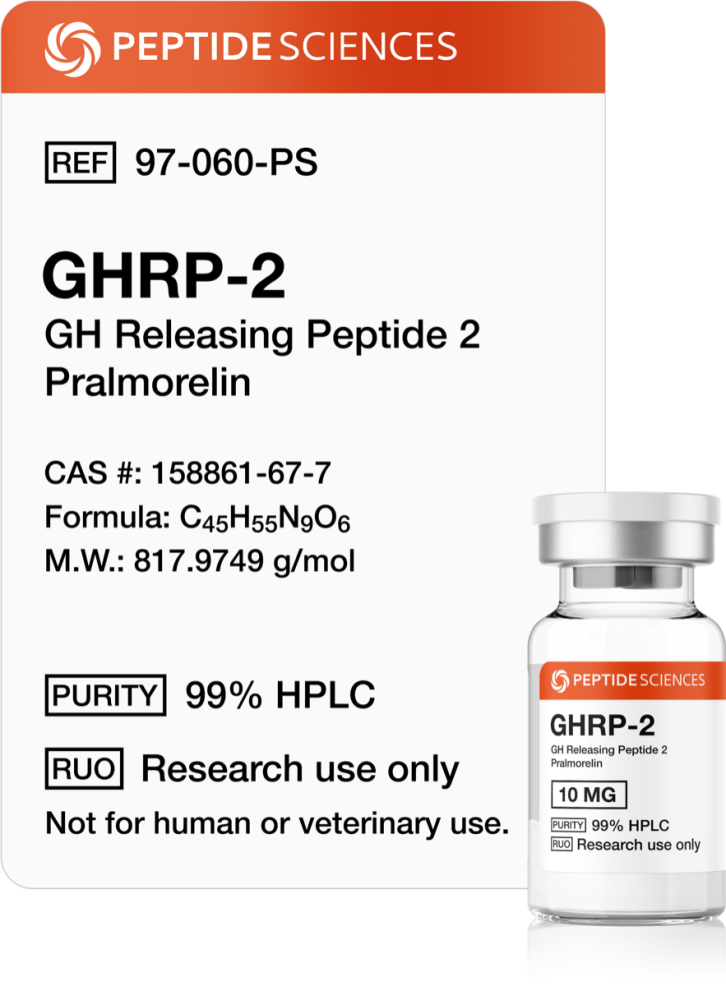
GHRP-2 10mg
$50.00
GHRP-2 is a synthetic hexapeptide growth hormone secretagogue that binds to the growth hormone secretagogue receptor (GHS-R1a), also known as the ghrelin receptor. In experimental models, GHRP-2 activates Gq/PLC and calcium-dependent intracellular signaling pathways that regulate growth hormone release and hypothalamic–pituitary axis feedback. Preclinical research has investigated its role in somatotropic signaling, sleep-related neuroendocrine pathways, immune-associated peptide signaling, and receptor pharmacology, including evaluation of non-injectable exposure routes under controlled laboratory conditions.
For research use only. Not for human consumption.
References:
Bowers CY et al., Endocrinology, 1990 126(3):1223–1228
Jacks T et al., Endocrinology, 1994 134(2):744–750
Smith RG et al., Science, 1997 275(5304):1261–1264
GHRP-2 10mg – Buy High-Quality GHRP-2 10mg Online
Looking to buy GHRP-2 10mg for your research laboratory? You have come to the right place.
We currently have GHRP-2 10mg for sale and it is in stock and ready for immediate shipping.
Our GHRP-2 10mg is of the highest purity, making it the best GHRP-2 10mg online for scientific studies.
Product Overview
GHRP-2 10mg is a premium research compound widely utilized in various scientific studies.
Researchers seeking to buy GHRP-2 10mg online often prioritize purity and consistency.
This compound has been studied extensively for its unique biochemical properties and its role in cellular pathways.
Overview
Growth Hormone-Releasing Peptide-2 (GHRP-2, pralmorelin) is a synthetic hexapeptide widely utilized as a laboratory research compound for investigating growth hormone secretagogue receptor (GHSR1a) signaling and associated downstream molecular pathways. As one of the earliest characterized members of the growth hormone secretagogue class, GHRP-2 is commonly employed in receptor pharmacology, endocrine signaling studies, and mechanistic investigations of ghrelin-related pathways in controlled experimental systems.
Within preclinical research settings, GHRP-2 functions as a selective agonist of GHSR1a and is used to interrogate receptor activation kinetics, signal transduction cascades, and tissue-specific receptor expression. All findings associated with GHRP-2 originate from in-vitro systems or in-vivo animal models and are interpreted strictly within a non-clinical, laboratory research framework.
Biochemical Characteristics
GHRP-2 is composed of six amino acid residues, including multiple D-amino acids that confer altered conformational stability and resistance to enzymatic degradation in experimental environments. The peptide structure supports high-affinity interaction with GHSR1a, making it a useful molecular probe for comparative ligand–receptor interaction studies and structure–activity relationship analyses.
In biochemical assays, GHRP-2 is routinely applied to quantify receptor binding affinity, downstream second-messenger activation, and modulation of transcriptional outputs associated with ghrelin receptor signaling networks. Early endocrine research on growth hormone-releasing peptides (GHRPs) helped establish this peptide class as experimental secretagogues for probing neuroendocrine signaling.[12], [13]
Research Applications
GHRP-2 is employed in laboratory research to support mechanistic investigations across multiple biological domains, including:
- Receptor pharmacology: evaluation of GHSR1a activation, ligand specificity, and downstream signaling dynamics in cell-based assays.
- Muscle biology: analysis of protein synthesis and degradation pathways, including ubiquitin–proteasome system components, in animal and cellular models.
- Energy balance and feeding circuits: mapping ghrelin receptor involvement in hypothalamic and peripheral signaling networks regulating nutrient sensing in preclinical models.
- Cardiac cell stress models: investigation of apoptosis-associated markers and oxidative stress pathways in cardiomyocyte cultures and animal myocardial injury paradigms.
- Immunology research: examination of thymic signaling pathways and T-cell maturation processes influenced by ghrelin-associated endocrine signaling in animal studies.
- Neurobiology: exploration of sleep architecture regulation, nociceptive processing, and receptor crosstalk in rodent and murine models.
Pathway / Mechanistic Context
GHRP-2 activates the growth hormone secretagogue receptor (GHSR1a), a G protein-coupled receptor involved in neuroendocrine communication and metabolic sensing. Experimental activation of GHSR1a initiates intracellular signaling cascades that include G protein-mediated pathways, kinase activation, and modulation of gene expression relevant to cellular growth regulation, stress response, and metabolic coordination.
Beyond classical endocrine signaling, GHSR1a activation by GHRP-2 has been used to investigate receptor distribution in peripheral tissues and the central nervous system. Preclinical findings indicate receptor-mediated modulation of pathways associated with muscle protein turnover, cardiomyocyte apoptosis, thymic cellular output, sleep-stage regulation, and supraspinal nociceptive processing.
The identification of a dedicated growth hormone secretagogue receptor provided a central framework for using synthetic agonists (including GHRP-2) as tools to map ghrelin/GHSR signaling and GPCR pathway behavior in experimental models.[14]
Preclinical Research Summary
Muscle protein turnover models
Animal studies, including large-animal and livestock models, have examined the effects of GHRP-2 on muscle protein deposition and degradation pathways. Reported outcomes include modulation of ubiquitin ligases such as atrogin-1 and MuRF1 and altered balance between anabolic and catabolic signaling in skeletal muscle tissue under growth-restricted conditions.[1], [2], [3]
Feeding behavior and metabolic signaling
Rodent and other preclinical models have demonstrated that ghrelin receptor agonism influences hypothalamic circuits involved in nutrient intake and energy balance. These models are used to quantify food intake patterns, endocrine signaling changes, and receptor-mediated behavioral outputs.[4], [5]
Cardiomyocyte apoptosis studies
Cell culture and animal-based myocardial stress models have utilized GHRP-2 and related peptides to evaluate apoptosis-associated signaling and oxidative stress markers. These investigations support ongoing efforts to characterize ghrelin receptor involvement in cardiac cellular stress responses.[6], [7]
Thymic signaling and immune cell development
Preclinical immunology research has explored how ghrelin-associated signaling pathways influence thymic architecture and T-cell maturation processes. These studies typically assess thymic output, cellular diversity, and signaling pathway engagement in aging or stress-related animal models.[8]
Sleep architecture and neuroendocrine rhythms
Experimental models examining sleep–wake regulation have used ghrelin receptor agonists to analyze changes in sleep-stage distribution and neuroendocrine rhythm modulation. Outcomes are assessed using electrophysiologic and behavioral endpoints in controlled laboratory settings.[9]
Nociception and opioid receptor interaction
Murine studies have reported that GHRP-2 interacts with supraspinal opioid receptor systems, enabling investigation of selective receptor engagement and pain-processing pathways. These models are used to study receptor specificity and signaling overlap between ghrelin and opioid systems.[10]
Form & Analytical Testing
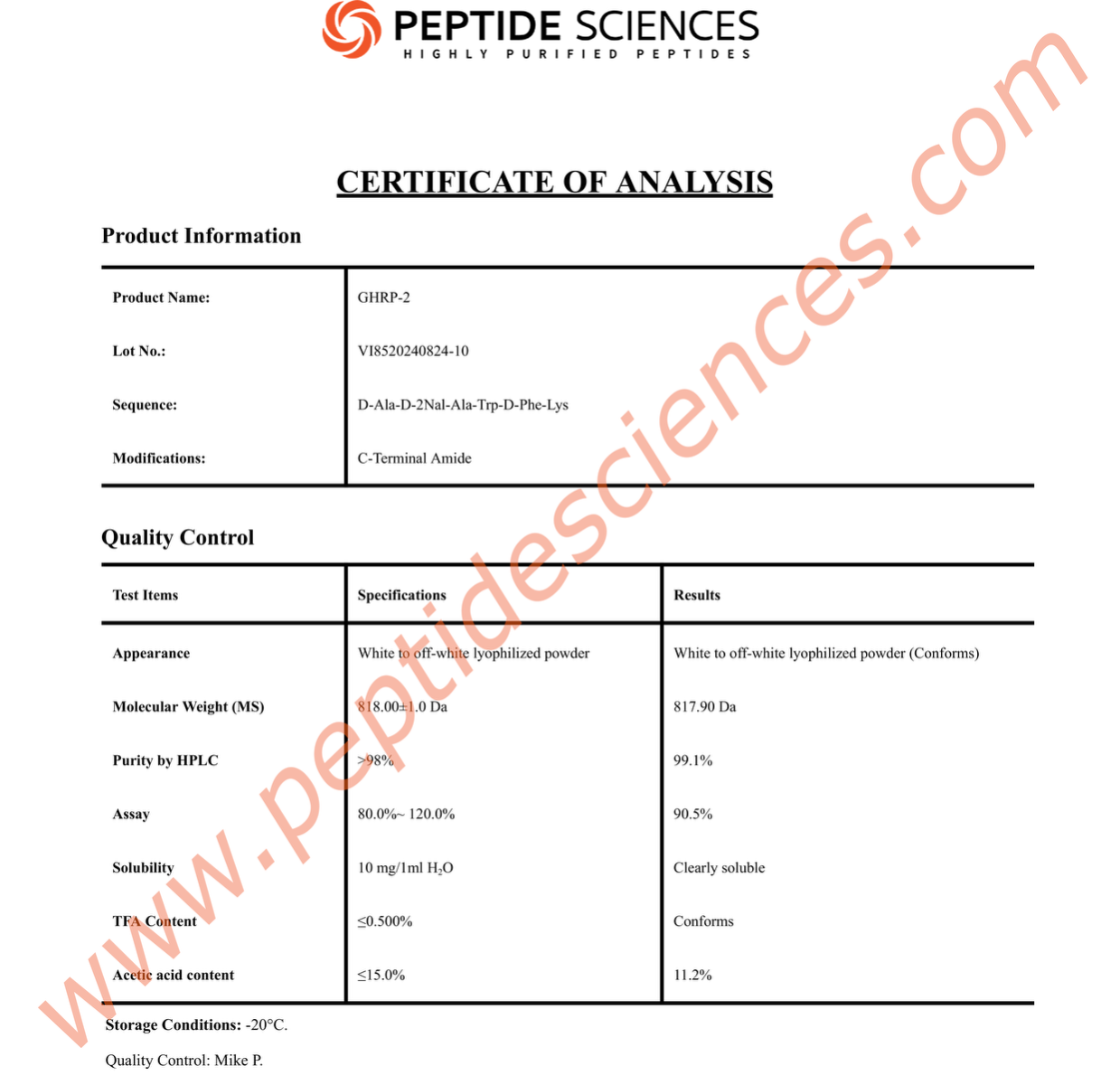
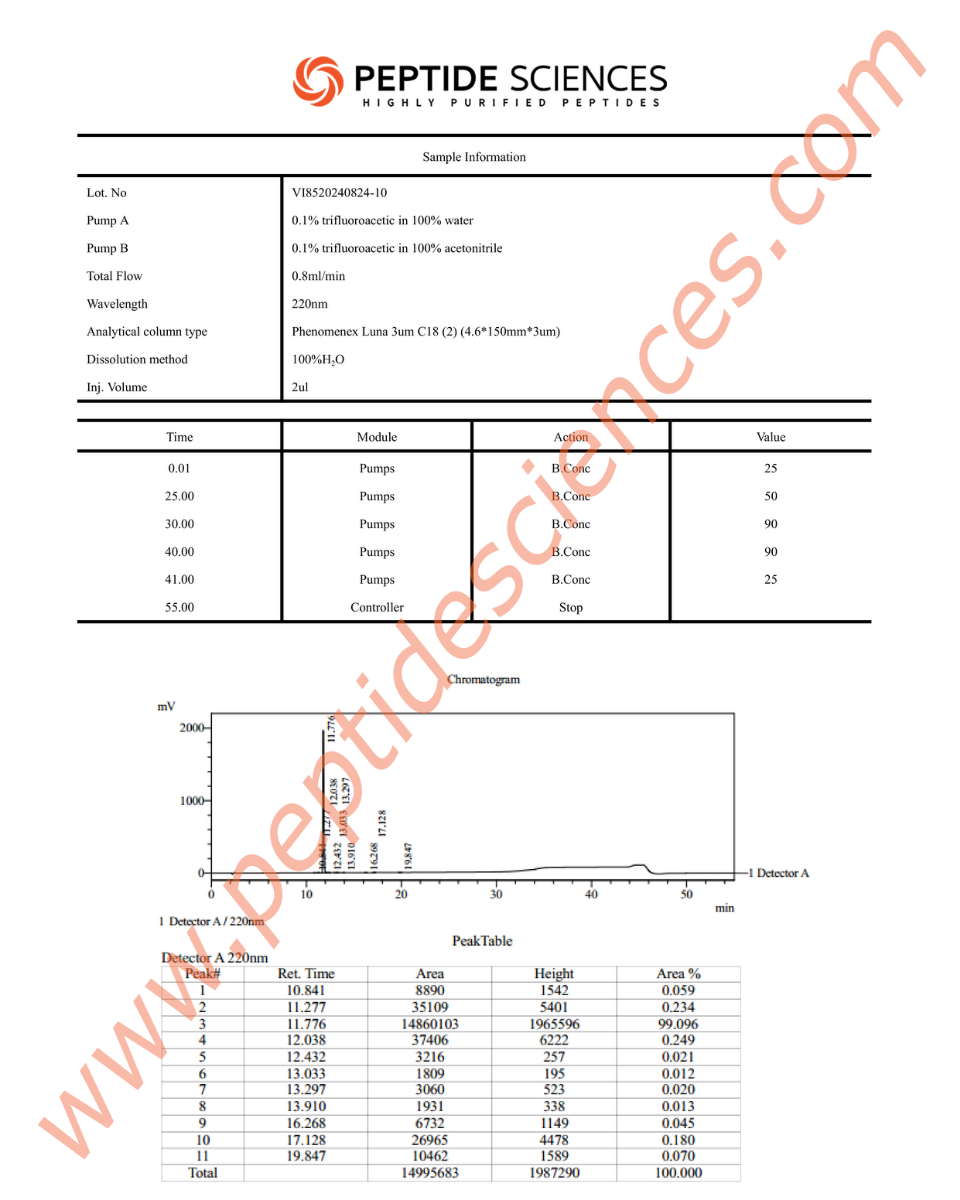
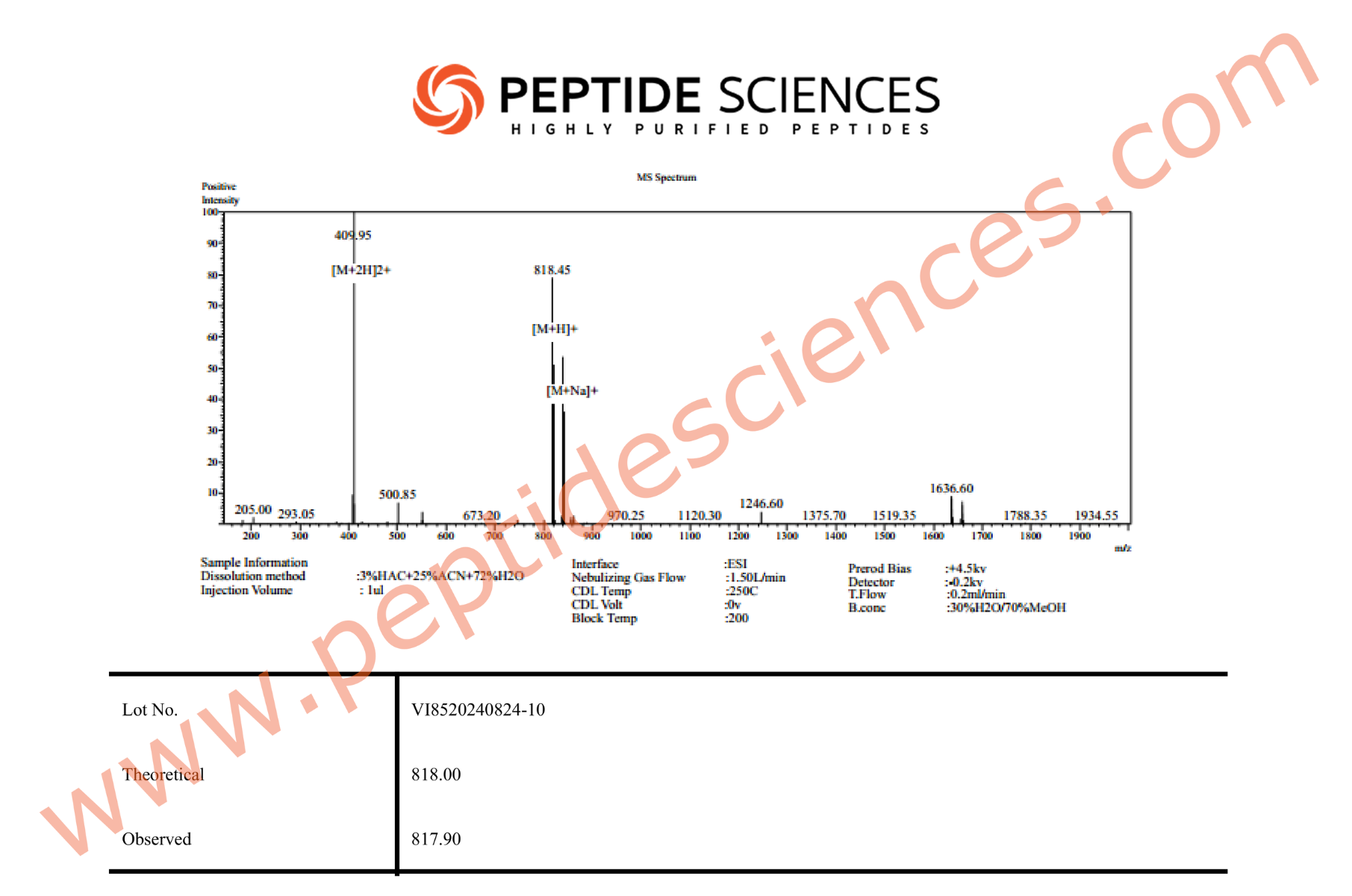
This material is supplied as a laboratory research reagent. Identity and purity are typically verified using analytical techniques such as high-performance liquid chromatography (HPLC) and mass spectrometry (MS). Handling, storage, and experimental use should be conducted in accordance with institutional laboratory protocols and applicable regulatory requirements for research-only materials.
Article Author
The above literature was researched, edited and organized by Dr. Logan, M.D. Dr. Logan holds a doctorate degree from Case Western Reserve University School of Medicine and a B.S. in molecular biology.
Scientific Journal Author
Jean-Alain Fehrentz was born in Nancy, France, in 1955. He received his Ph.D. degree in Chemistry from the University of Nancy in 1983 and joined the Centre CNRS-INSERM de Pharmacologie Endocrinologie of Montpellier in the research group of Professor B. Castro. From 1989 to 1992 he was appointed as researcher at Sanofi Research in Montpellier. Then he moved to the Faculty of Pharmacy of Montpellier, working under the direction of Professor J. Martinez. His research interests focus on peptide aldehydes, enzyme inhibitors, peptidomimetics, growth hormone interactions, and heterocycle based receptor ligands. He has published more than 150 scientific papers.
Jean-Alain Fehrentz is referenced here to acknowledge published work related to ghrelin receptor ligands and growth hormone secretagogues. This reference does not imply endorsement or advocacy of purchase, sale, or use of this product. No affiliation or relationship is implied between the seller and this scientist. A representative publication is included within the citations below.
Referenced Citations
- R. Hu et al., “Effects of GHRP-2 and Cysteamine Administration on Growth Performance, Somatotropic Axis Hormone and Muscle Protein Deposition in Yaks (Bos grunniens) with Growth Retardation,” PloS One, vol. 11, no. 2, p. e0149461, 2016.
- D. Yamamoto et al., “GHRP-2, a GHS-R agonist, directly acts on myocytes to attenuate the dexamethasone-induced expressions of muscle-specific ubiquitin ligases, Atrogin-1 and MuRF1,” Life Sci., vol. 82, no. 9–10, pp. 460–466, Feb. 2008.
- L. T. Phung et al., “The effects of growth hormone-releasing peptide-2 (GHRP-2) on the release of growth hormone and growth performance in swine,” Domest. Anim. Endocrinol., vol. 18, no. 3, pp. 279–291, Apr. 2000.
- B. Laferrère, C. Abraham, C. D. Russell, and C. Y. Bowers, “Growth hormone releasing peptide-2 (GHRP-2), like ghrelin, increases food intake in healthy men,” J. Clin. Endocrinol. Metab., vol. 90, no. 2, pp. 611–614, Feb. 2005.
- B. Laferrère, A. B. Hart, and C. Y. Bowers, “Obese subjects respond to the stimulatory effect of the ghrelin agonist growth hormone-releasing peptide-2 on food intake,” Obesity (Silver Spring), vol. 14, no. 6, pp. 1056–1063, Jun. 2006.
- G. Muccioli et al., “Growth hormone-releasing peptides and the cardiovascular system,” Ann. Endocrinol., vol. 61, no. 1, pp. 27–31, Feb. 2000.
- V. Bodart et al., “Identification and characterization of a new growth hormone-releasing peptide receptor in the heart,” Circulation Research, vol. 85, no. 9, pp. 796–802, Oct. 1999.
- D. D. Taub, W. J. Murphy, and D. L. Longo, “Rejuvenation of the aging thymus: growth hormone-mediated and ghrelin-mediated signaling pathways,” Curr. Opin. Pharmacol., vol. 10, no. 4, pp. 408–424, Aug. 2010.
- G. Copinschi et al., “Prolonged oral treatment with MK-677, a novel growth hormone secretagogue, improves sleep quality in man,” Neuroendocrinology, vol. 66, no. 4, pp. 278–286, Oct. 1997.
- P. Zeng et al., “Ghrelin receptor agonist, GHRP-2, produces antinociceptive effects at the supraspinal level via the opioid receptor in mice,” Peptides, vol. 55, pp. 103–109, May 2014.
- A. Moulin, J. Ryan, J. Martinez, and J.-A. Fehrentz, “Recent Developments in Ghrelin Receptor Ligands,” ChemMedChem, vol. 2, pp. 1242–1259, 2007.
- Bowers CY et al., Endocrinology, 1990;126(3):1223–1228.
- Jacks T et al., Endocrinology, 1994;134(2):744–750.
- Smith RG et al., Science, 1997;275(5304):1261–1264.
ALL ARTICLES AND PRODUCT INFORMATION PROVIDED ON THIS WEBSITE ARE FOR INFORMATIONAL AND EDUCATIONAL PURPOSES ONLY.
RUO Disclaimer
The products offered on this website are furnished for in-vitro studies only. In-vitro studies (Latin: in glass) are performed outside of the body. These products are not medicines or drugs and have not been approved by the FDA to prevent, treat or cure any medical condition, ailment or disease. Bodily introduction of any kind into humans or animals is strictly forbidden by law.
For Laboratory Research Only. Not for human use, medical use, diagnostic use, or veterinary use.

Storage Instructions:
All of our products are manufactured using the Lyophilization (Freeze Drying) process, which ensures that our products remain 100% stable for shipping for up to 3-4 months.
Once the peptides are reconstituted (mixed with bacteriostatic water), they must be stored in the fridge to maintain stability. After reconstitution, the peptides will remain stable for up to 30 days.
Lyophilization is a unique dehydration process, also known as cryodesiccation, where the peptides are frozen and then subjected to low pressure. This causes the water in the peptide vial to sublimate directly from solid to gas, leaving behind a stable, crystalline white structure known as lyophilized peptide. The puffy white powder can be stored at room temperature until you’re ready to reconstitute it with bacteriostatic water.
Once peptides have been received, it is imperative that they are kept cold and away from light. If the peptides will be used immediately, or in the next several days, weeks or months, short-term refrigeration under 4C (39F) is generally acceptable. Lyophilized peptides are usually stable at room temperatures for several weeks or more, so if they will be utilized within weeks or months such storage is typically adequate.
However, for longer term storage (several months to years) it is more preferable to store peptides in a freezer at -80C (-112F). When storing peptides for months or even years, freezing is optimal in order to preserve the peptide’s stability.
Why Choose Our GHRP-2 10mg?
When you are looking for GHRP-2 10mg for sale, quality is paramount.
Our products undergo rigorous testing to ensure they meet the strict requirements of laboratory environments.
By choosing to buy GHRP-2 10mg from our store, you are guaranteed a product that is:
- High Purity (Tested for 99%+)
- Fast Shipping – Always in stock
- Secure Packaging for Research Integrity
- Competitive Pricing for Bulk Orders
Specifications & Technical Data
| Feature | Specification |
|---|---|
| Product Name | GHRP-2 10mg |
| SKU | 53 |
| Purity | >99% |
| Form | Research Grade Compound |
| Availability | In Stock / For Sale |
Scientific Research & Clinical Applications
The research surrounding GHRP-2 10mg is vast. Scientists explore its potential in various metabolic and physiological models.
For more detailed scientific data, you can visit PubMed
to review the latest peer-reviewed literature regarding this compound.
Frequently Asked Questions
Where can I buy GHRP-2 10mg?
You can buy GHRP-2 10mg directly from our website. We provide a secure checkout and fast shipping to ensure your research stays on track.
Is GHRP-2 10mg in stock?
Yes, we currently have GHRP-2 10mg in stock. Orders are typically processed within 24 hours to ensure rapid delivery to your laboratory.
Related Research Products
If you are interested in GHRP-2 10mg, you may also want to explore these related products currently in stock:
- Bronchogen 20mg (Bioregulator)
- Sermorelin, GHRP-6, GHRP-2 9mg (Blend)
- PT-141 (3mg x 10 Vials = 30mg)
Disclaimer: All products listed are for research purposes only. Not for human consumption.
Related products

All Peptides

All Peptides

All Peptides

All Peptides

All Peptides

All Peptides

All Peptides

All Peptides