
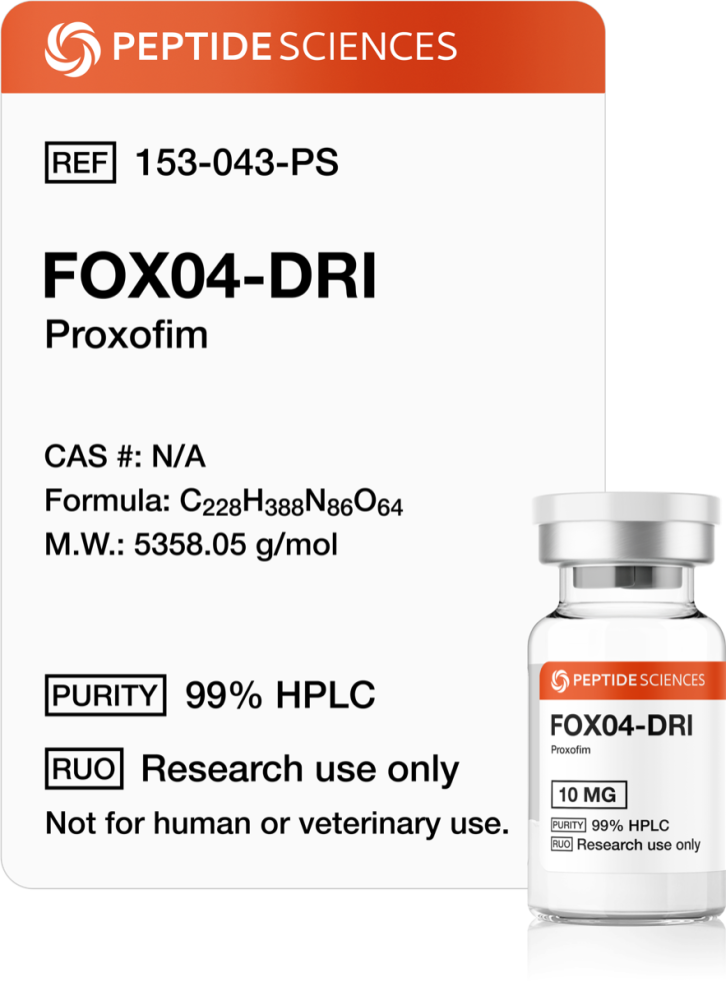
FOX04-DRI 10mg (Proxofim)
$300.00
FOXO4-DRI is a synthetic D-retro-inverso research peptide designed to selectively disrupt the FOXO4–p53 interaction, promoting senescent cell clearance in experimental systems. Composed of D-amino acids for enhanced stability, FOXO4-DRI interferes with nuclear retention of p53, inducing apoptosis of senescent phenotypes. It is utilized in studies exploring senolytic mechanisms, cellular longevity, and DNA damage response signaling.
For research use only. Not for human consumption.
References:
Kirkland JL et al., J Clin Invest, 2017;127(4):1247–1256
Yosef R et al., Aging (Albany NY), 2017;9(8):1758–1777
de Keizer PLJ, Trends Mol Med, 2017;23(9):751–762
FOX04-DRI 10mg (Proxofim) – Buy High-Quality FOX04-DRI 10mg (Proxofim) Online
Looking to buy FOX04-DRI 10mg (Proxofim) for your research laboratory? You have come to the right place.
We currently have FOX04-DRI 10mg (Proxofim) for sale and it is in stock and ready for immediate shipping.
Our FOX04-DRI 10mg (Proxofim) is of the highest purity, making it the best FOX04-DRI 10mg (Proxofim) online for scientific studies.
Product Overview
FOX04-DRI 10mg (Proxofim) is a premium research compound widely utilized in various scientific studies.
Researchers seeking to buy FOX04-DRI 10mg (Proxofim) online often prioritize purity and consistency.
This compound has been studied extensively for its unique biochemical properties and its role in cellular pathways.
FOX04-DRI: Overview
FOXO4-DRI is a synthetic retro-inverso peptide derived from a defined interaction domain of the forkhead box O4 (FOXO4) transcription factor. The peptide is designed using D-amino acids in reverse sequence orientation to preserve side-chain topology while increasing resistance to enzymatic degradation. FOXO4-DRI is employed in laboratory research as a molecular probe for studying FOXO4-associated transcriptional regulation, protein–protein interactions, and senescence-linked signaling pathways in controlled experimental systems.
In preclinical literature, FOXO4-DRI is primarily investigated for its ability to disrupt the FOXO4–p53 interaction in senescent cell models, enabling mechanistic evaluation of p53-dependent transcriptional activation, apoptosis signaling thresholds, and senescence-associated cellular phenotypes at the molecular and cellular level.
FOX04-DRI: Biochemical Characteristics
Peptide Design: D-retro-inverso linear peptide
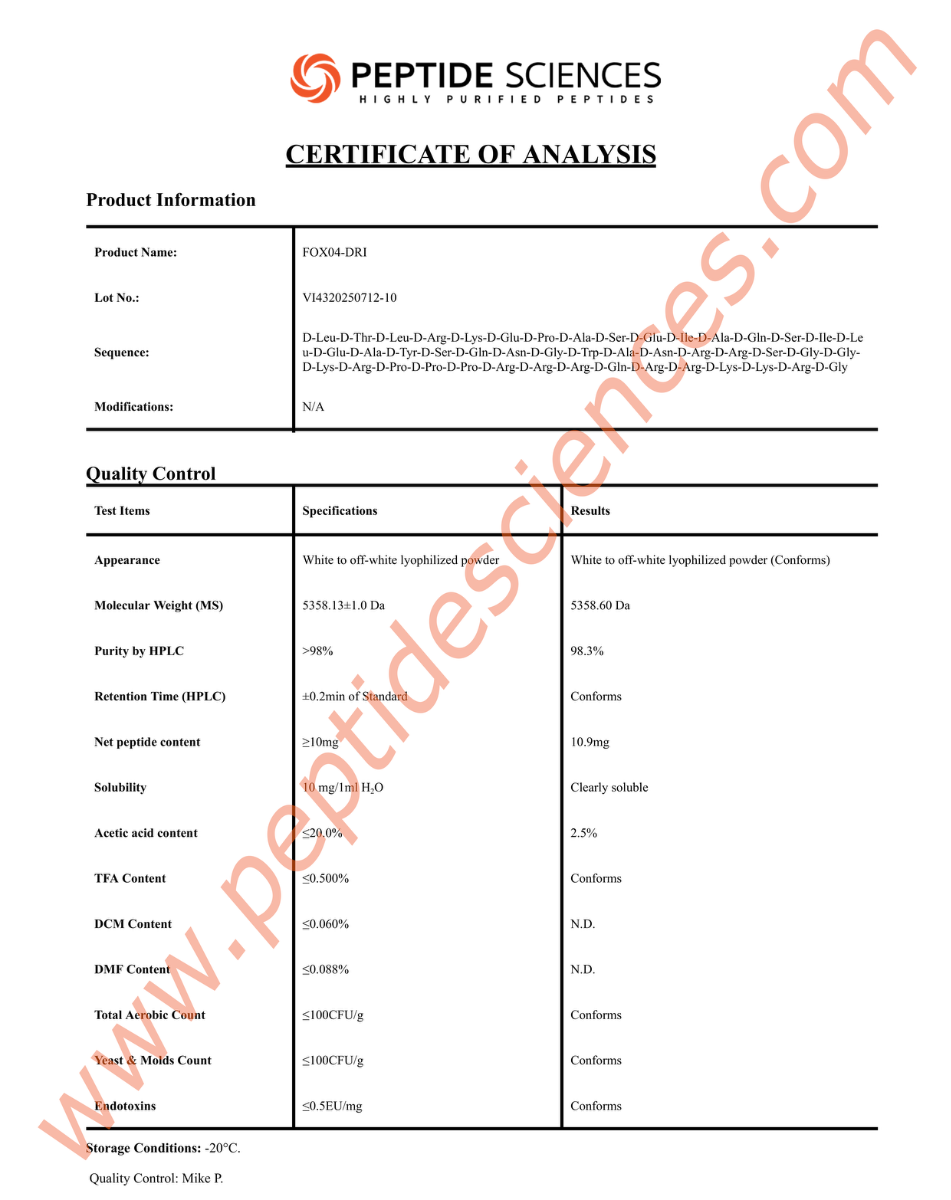
Sequence: H-D-Leu-D-Thr-D-Leu-D-Arg-D-Lys-D-Glu-D-Pro-D-Ala-D-Ser-D-Glu-D-Ile-D-Ala-D-Gln-D-Ser-D-Ile-D-Leu-D-Glu-D-Ala-D-Tyr-D-Ser-D-Gln-D-Asn-D-Gly-D-Trp-D-Ala-D-Asn-D-Arg-D-Arg-D-Ser-D-Gly-D-Gly-D-Lys-D-Arg-D-Pro-D-Pro-D-Pro-D-Arg-D-Arg-D-Arg-D-Gln-D-Arg-D-Arg-D-Lys-D-Lys-D-Arg-D-Gly-OH
Molecular Formula: C228H388N86O64
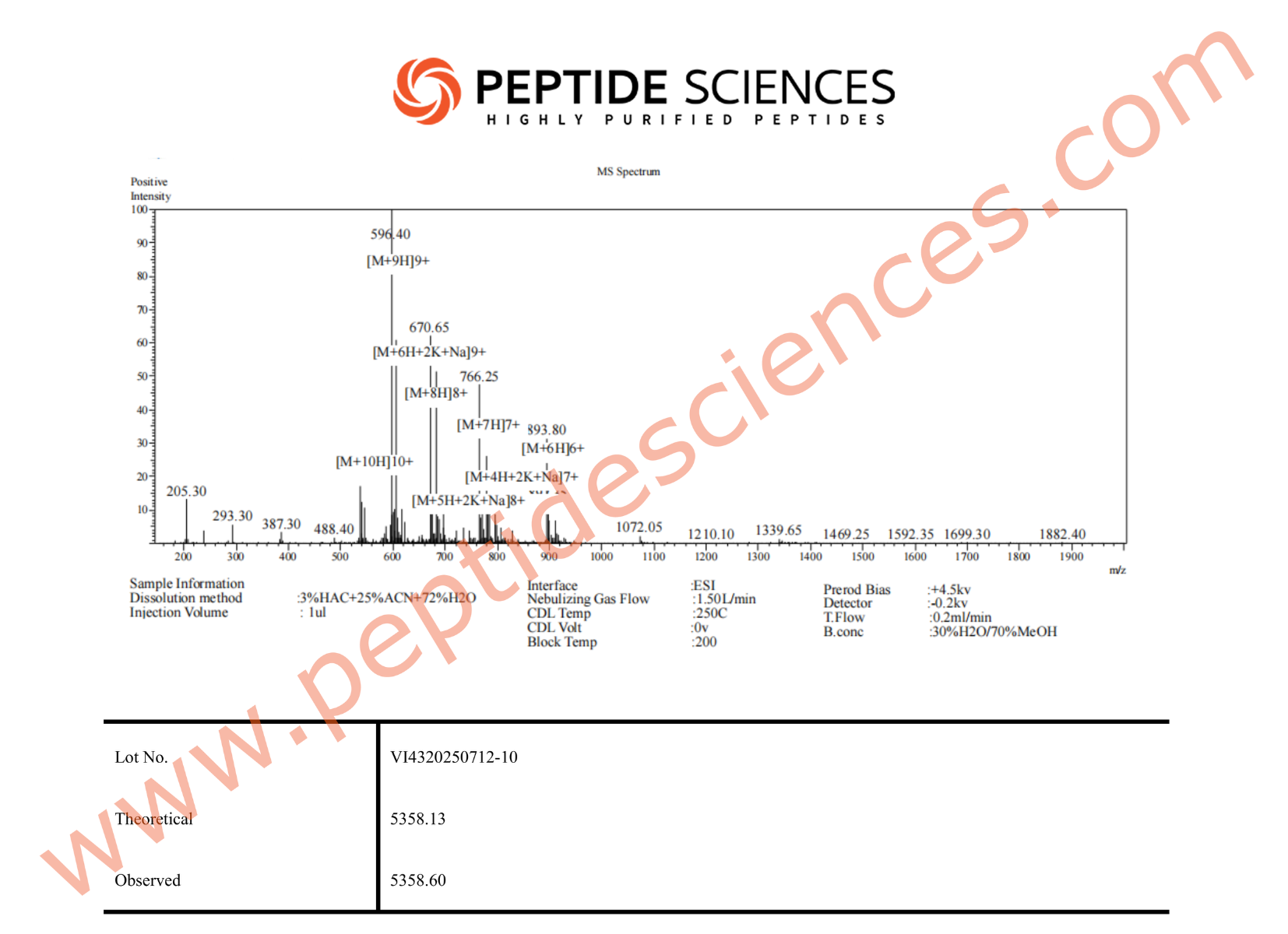
Molecular Weight: 5358.05 Da
Synonyms: Forkhead box protein O4 fragment (DRI), FOXO4 retro-inverso peptide
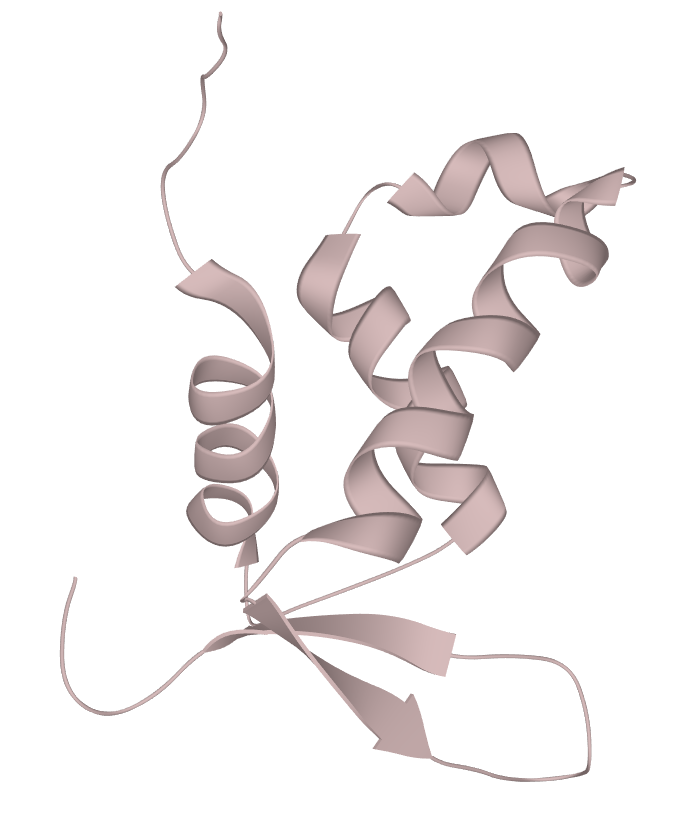
Source: UniProt
FOX04-DRI: Research Applications
FOXO4-DRI is utilized in research environments to investigate senescence-associated transcriptional control, FOXO-dependent stress response signaling, and p53-mediated apoptosis pathways. Experimental applications commonly include senescent fibroblast cultures, oxidative stress-induced senescence models, and chemotoxicity-induced cellular arrest paradigms.
Additional applications include interrogation of FOXO-regulated proteostasis pathways, autophagy-linked signaling networks, and transcriptional responses associated with metabolic stress, genomic instability, and long-term cell cycle arrest in in-vitro and in-vivo animal models.
FOX04-DRI: Pathway / Mechanistic Context
FOXO4 functions as a transcription factor involved in stress response, cell cycle regulation, and maintenance of cellular quiescence. In senescent cells, FOXO4 has been shown to associate with p53, limiting p53-DNA binding and constraining apoptotic transcriptional programs.
FOXO4-DRI is designed to competitively disrupt the FOXO4–p53 interaction, thereby releasing p53 from sequestration and permitting engagement with downstream transcriptional targets. This interaction is studied to characterize thresholds for apoptosis induction, senescence maintenance, and clearance of non-proliferative cells within defined experimental systems.
FOX04-DRI: Preclinical Research Summary
Preclinical studies employing FOXO4-DRI have reported selective engagement of senescent cell populations in mouse and cellular models, with downstream activation of p53-dependent transcriptional programs and apoptosis-associated signaling. These investigations are used to map senescence heterogeneity, evaluate tissue-level accumulation of non-dividing cells, and study consequences of senescent cell removal on local cellular environments.
Additional research explores FOXO-regulated proteasome activity, autophagy signaling, and oxidative stress handling in cardiovascular, neural, and metabolic tissues using animal and cellular models. These studies emphasize mechanistic interpretation rather than outcome prediction.
FOX04-DRI: Form & Analytical Testing
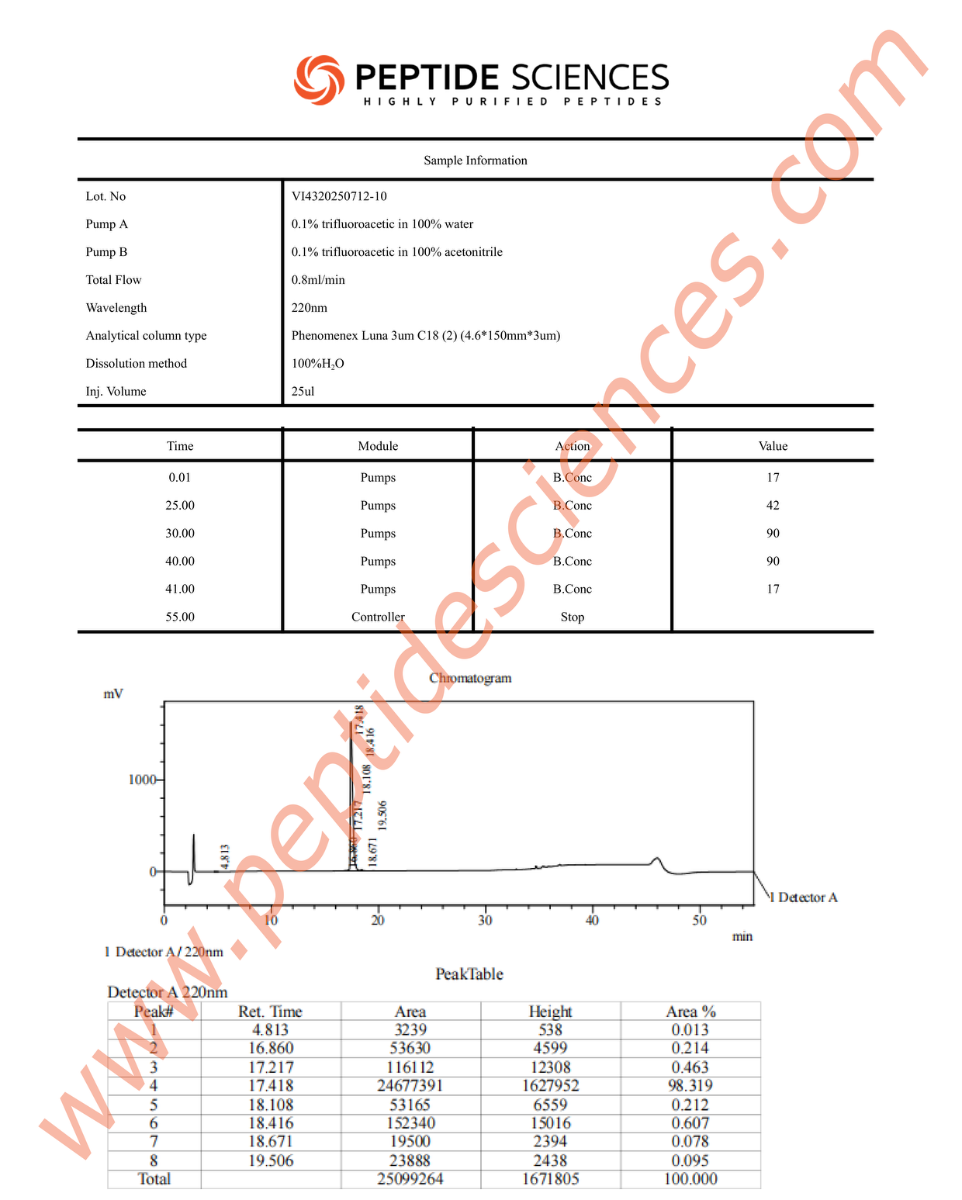
FOXO4-DRI is supplied as a synthetic research peptide for laboratory use. Identity confirmation is supported through sequence verification and molecular weight analysis. Researchers may employ chromatographic and mass spectrometric techniques as part of internal quality assessment workflows consistent with peptide research standards.
Article Author
The above literature was researched, edited and organized by Dr. Logan, M.D. Dr. Logan holds a doctorate degree from Case Western Reserve University School of Medicine and a B.S. in molecular biology.
Scientific Journal Author
The aim of Dr. Peter de Keizer’s group is to unravel the molecular mechanisms that cause cells to become senescent and to identify how these cells drive aging and age-related diseases. The role of senescence in late-stage therapy-resistant cancer is a major component of this research. The research has a strong translational component and a spearpoint of the group is to develop methods to target the deleterious effects of senescent and senescent-like cancer cells, for instance by eliminating them altogether. In 2004, Peter obtained his MSc in Biomolecular Science form Utrecht University. The final part of his training was performed at Harvard Medical School / Massachusetts General Hospital in Boston, USA. Here, he focused on therapy-resistant Glioblastoma, the most lethal form of brain cancer, something which is now on of the focus areas of the group. In 2009, Peter obtained his PhD from UMC Utrecht on the regulation of FOXO proteins under conditions of stress and their role in tumor suppression.
Dr. Peter de Keizer is being referenced as one of the leading scientists involved in the research and development of FOXO4-DRI. In no way is this doctor/scientist endorsing or advocating the purchase, sale, or use of this product for any reason. There is no affiliation or relationship, implied or otherwise, between Peptide Sciences and this doctor. The purpose of citing the doctor is to acknowledge, recognize, and credit the exhaustive research and development efforts conducted by the scientists studying this peptide. Dr. Peter de Keizer is listed in [2] under the referenced citations.
Referenced Citations
- W. Liu, Y. Song, J. Wang, H. Xiao, Y. Zhang, and B. Luo, “Dysregulation of FOXO transcription factors in Epstein-Barr virus-associated gastric carcinoma,” Virus Res., p. 197808, Nov. 2019.
- Baar, Marjolein P, et al. “Targeted Apoptosis of Senescent Cells Restores Tissue Homeostasis in Response to Chemotoxicity and Aging.” Cell, vol. 169, no. 1, 2017, pp. 132-147.e16, www.ncbi.nlm.nih.gov/pubmed/28340339, 10.1016/j.cell.2017.02.031.
- A. T.-Y. Chen et al., “Longevity Genes Revealed by Integrative Analysis of Isoform-Specific daf-16/FoxO Mutants of Caenorhabditis elegans,” Genetics, vol. 201, no. 2, pp. 613–629, Oct. 2015.
- P. Krimpenfort and A. Berns, “Rejuvenation by Therapeutic Elimination of Senescent Cells,” Cell, vol. 169, no. 1, pp. 3–5, 23 2017.
- “Senescence and aging: Causes, consequences, and therapeutic avenues | JCB.” [Online]. Available: http://jcb.rupress.org/content/217/1/65. [Accessed: 17-Nov-2019].
- S. Lee and H. H. Dong, “FoxO integration of insulin signaling with glucose and lipid metabolism,” J. Endocrinol., vol. 233, no. 2, pp. R67–R79, 2017.
- A.-L. Bulteau, L. I. Szweda, and B. Friguet, “Age-dependent declines in proteasome activity in the heart,” Arch. Biochem. Biophys., vol. 397, no. 2, pp. 298–304, Jan. 2002.
- G. Murtaza, A. K. Khan, R. Rashid, S. Muneer, S. M. F. Hasan, and J. Chen, “FOXO Transcriptional Factors and Long-Term Living,” Oxid. Med. Cell. Longev., vol. 2017, 2017.
- A. Ciechanover and P. Brundin, “The ubiquitin proteasome system in neurodegenerative diseases: sometimes the chicken, sometimes the egg,” Neuron, vol. 40, no. 2, pp. 427–446, Oct. 2003.
- W. Hu et al., “Roles of forkhead box O (FoxO) transcription factors in neurodegenerative diseases: A panoramic view,” Prog. Neurobiol., vol. 181, p. 101645, Oct. 2019.
ALL ARTICLES AND PRODUCT INFORMATION PROVIDED ON THIS WEBSITE ARE FOR INFORMATIONAL AND EDUCATIONAL PURPOSES ONLY.
The products offered on this website are furnished for in-vitro studies only. In-vitro studies (Latin: in glass) are performed outside of the body. These products are not medicines or drugs and have not been approved by the FDA to prevent, treat or cure any medical condition, ailment or disease. Bodily introduction of any kind into humans or animals is strictly forbidden by law.
RUO Disclaimer
For Laboratory Research Only. Not for human use, medical use, diagnostic use, or veterinary use.

Storage Instructions:
All of our products are manufactured using the Lyophilization (Freeze Drying) process, which ensures that our products remain 100% stable for shipping for up to 3-4 months.
Once the peptides are reconstituted (mixed with bacteriostatic water), they must be stored in the fridge to maintain stability. After reconstitution, the peptides will remain stable for up to 30 days.
Lyophilization is a unique dehydration process, also known as cryodesiccation, where the peptides are frozen and then subjected to low pressure. This causes the water in the peptide vial to sublimate directly from solid to gas, leaving behind a stable, crystalline white structure known as lyophilized peptide. The puffy white powder can be stored at room temperature until you’re ready to reconstitute it with bacteriostatic water.
Once peptides have been received, it is imperative that they are kept cold and away from light. If the peptides will be used immediately, or in the next several days, weeks or months, short-term refrigeration under 4C (39F) is generally acceptable. Lyophilized peptides are usually stable at room temperatures for several weeks or more, so if they will be utilized within weeks or months such storage is typically adequate.
However, for longer term storage (several months to years) it is more preferable to store peptides in a freezer at -80C (-112F). When storing peptides for months or even years, freezing is optimal in order to preserve the peptide’s stability.
Why Choose Our FOX04-DRI 10mg (Proxofim)?
When you are looking for FOX04-DRI 10mg (Proxofim) for sale, quality is paramount.
Our products undergo rigorous testing to ensure they meet the strict requirements of laboratory environments.
By choosing to buy FOX04-DRI 10mg (Proxofim) from our store, you are guaranteed a product that is:
- High Purity (Tested for 99%+)
- Fast Shipping – Always in stock
- Secure Packaging for Research Integrity
- Competitive Pricing for Bulk Orders
Specifications & Technical Data
| Feature | Specification |
|---|---|
| Product Name | FOX04-DRI 10mg (Proxofim) |
| SKU | 39 |
| Purity | >99% |
| Form | Research Grade Compound |
| Availability | In Stock / For Sale |
Scientific Research & Clinical Applications
The research surrounding FOX04-DRI 10mg (Proxofim) is vast. Scientists explore its potential in various metabolic and physiological models.
For more detailed scientific data, you can visit PubMed
to review the latest peer-reviewed literature regarding this compound.
Frequently Asked Questions
Where can I buy FOX04-DRI 10mg (Proxofim)?
You can buy FOX04-DRI 10mg (Proxofim) directly from our website. We provide a secure checkout and fast shipping to ensure your research stays on track.
Is FOX04-DRI 10mg (Proxofim) in stock?
Yes, we currently have FOX04-DRI 10mg (Proxofim) in stock. Orders are typically processed within 24 hours to ensure rapid delivery to your laboratory.
Related Research Products
If you are interested in FOX04-DRI 10mg (Proxofim), you may also want to explore these related products currently in stock:
Disclaimer: All products listed are for research purposes only. Not for human consumption.
Related products

All Peptides

All Peptides

All Peptides

All Peptides
All Peptides
All Peptides

All Peptides

All Peptides