

VIP 6mg
$75.00
VIP (Vasoactive Intestinal Peptide) is a 28 amino acid neuropeptide that functions as a potent endogenous ligand for VPAC1 and VPAC2 receptors. It activates cAMP-dependent signaling cascades regulating smooth muscle relaxation, vasodilation, and immune modulation in preclinical studies. VIP is widely used in research examining neuroendocrine signaling, inflammatory regulation, and peptide-mediated vascular homeostasis.
For research use only. Not for human consumption.
References:
Gozes I et al., Front Endocrinol (Lausanne), 2017 8:282
Laburthe M et al., Biochim Biophys Acta, 2007 1768(4):955–972
Delgado M et al., Trends Mol Med, 2004 10(4):201–208
VIP 6mg – Buy High-Quality VIP 6mg Online
Looking to buy VIP 6mg for your research laboratory? You have come to the right place.
We currently have VIP 6mg for sale and it is in stock and ready for immediate shipping.
Our VIP 6mg is of the highest purity, making it the best VIP 6mg online for scientific studies.
Product Overview
VIP 6mg is a premium research compound widely utilized in various scientific studies.
Researchers seeking to buy VIP 6mg online often prioritize purity and consistency.
This compound has been studied extensively for its unique biochemical properties and its role in cellular pathways.
Overview
Vasoactive intestinal peptide (VIP; PHM27) is a 28–amino acid neuropeptide encoded by the VIP gene and conserved across vertebrate species. VIP is classified as a class II secretin/glucagon family peptide and interacts primarily with the G protein–coupled receptors VPAC1 and VPAC2. Experimental studies have characterized VIP as a signaling molecule involved in neuroimmune communication, epithelial barrier regulation, and intracellular second-messenger modulation.
All information presented herein is derived exclusively from molecular, cellular, tissue-level, and in-vivo animal research models. No clinical, diagnostic, or therapeutic interpretation is implied.
Biochemical Characteristics
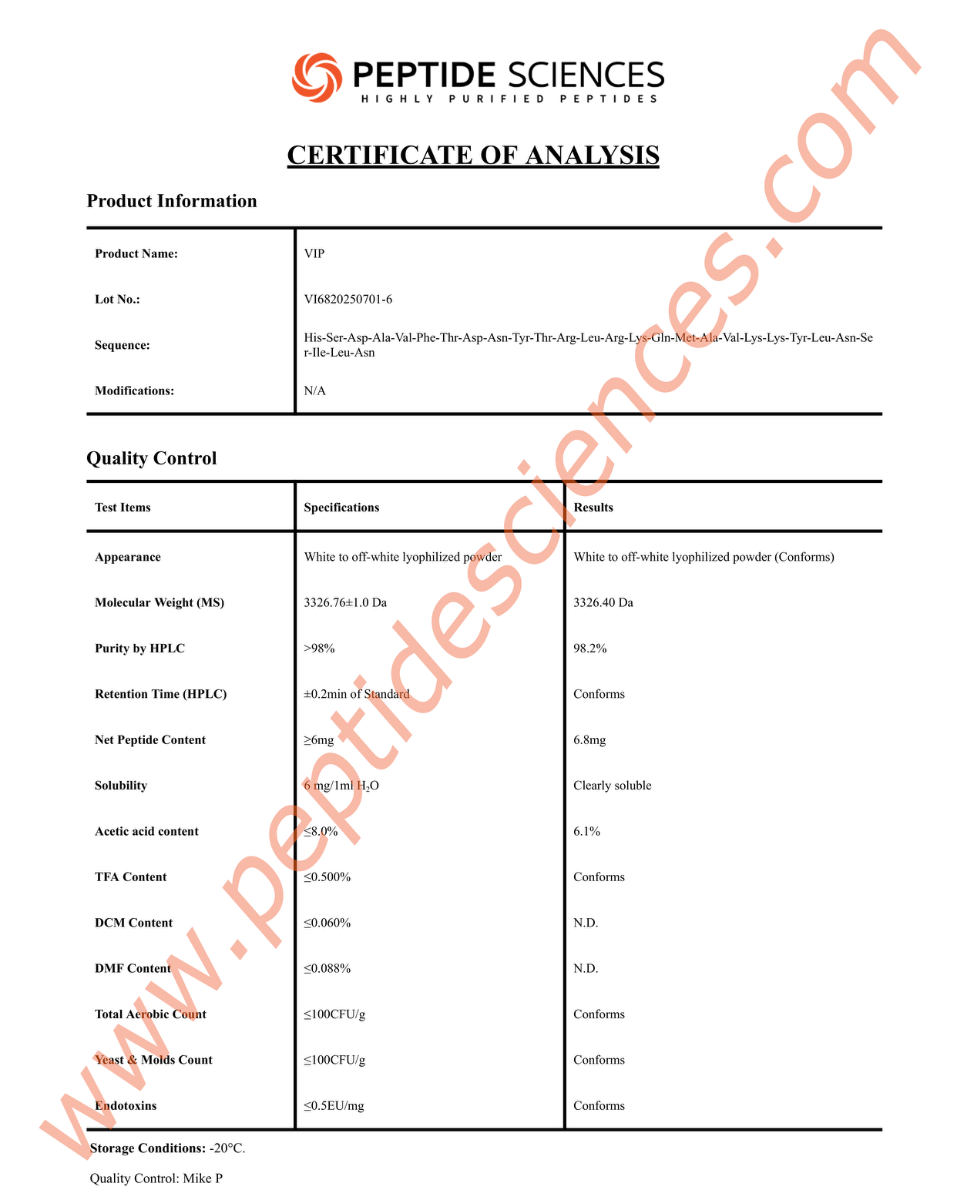
Amino Acid Sequence: HSDAVFTDNYTRLRKQMAVKKYLNSILN
Molecular Formula: C147H237N43O43S
Molecular Weight: ~3326.7 g/mol
Receptor Class: Class II GPCRs (VPAC1, VPAC2)
Biochemical studies indicate that VIP signaling is primarily mediated through adenylate cyclase activation, intracellular cAMP accumulation, and downstream PKA-dependent transcriptional regulation.
Research Applications
VIP is widely utilized in experimental systems investigating:
- Neuroimmune signaling and cytokine network modulation
- Epithelial barrier integrity and tight-junction dynamics
- Smooth muscle cell proliferation and differentiation
- Fibrotic pathway regulation in pulmonary and cardiac tissue models
- Neurotrophic factor expression and synaptic maintenance
Use of VIP in these contexts is restricted to mechanistic and observational research frameworks.
Pathway / Mechanistic Context
Preclinical studies report that VIP signaling influences intracellular pathways including:
- cAMP/PKA-dependent transcriptional modulation
- NFAT-associated immune cell activation pathways
- Regulatory T-cell differentiation signaling networks
- Angiotensin-associated fibrotic gene expression cascades
Observed pathway interactions vary by tissue type and experimental model, highlighting context-dependent receptor coupling and downstream signaling specificity.
Preclinical Research Summary
In animal and ex-vivo tissue models, VIP has been associated with measured changes in:
- Immune cell infiltration indices
- Fibrosis-associated gene expression profiles
- Epithelial permeability and tight-junction protein distribution
- Neurotrophic factor secretion levels
These findings represent reported experimental endpoints and observed associations within controlled research environments and do not imply functional outcomes outside laboratory models.
Form & Analytical Testing
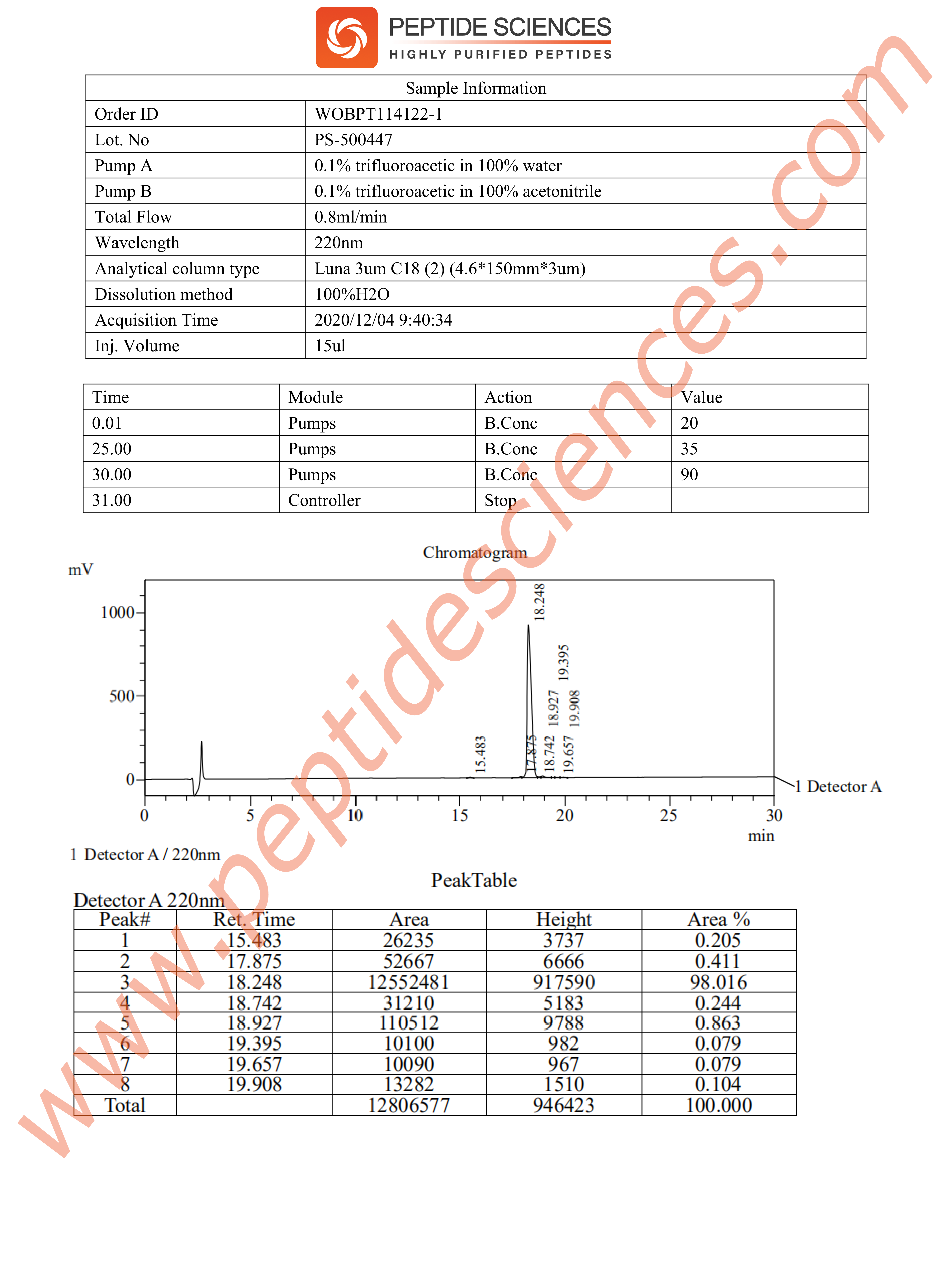
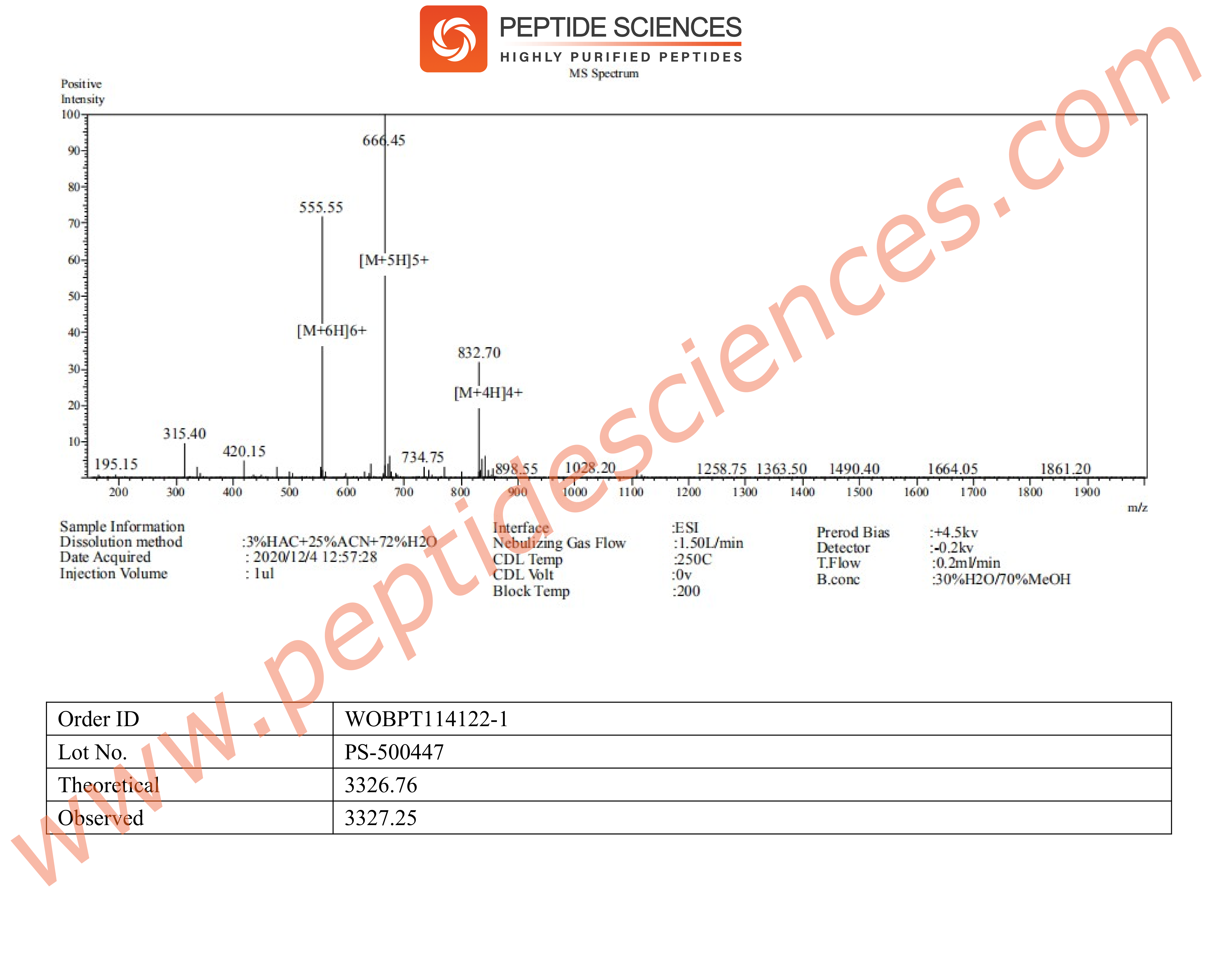
This material is supplied as a synthetic peptide intended for laboratory research use. Identity and purity are evaluated using analytical techniques such as:
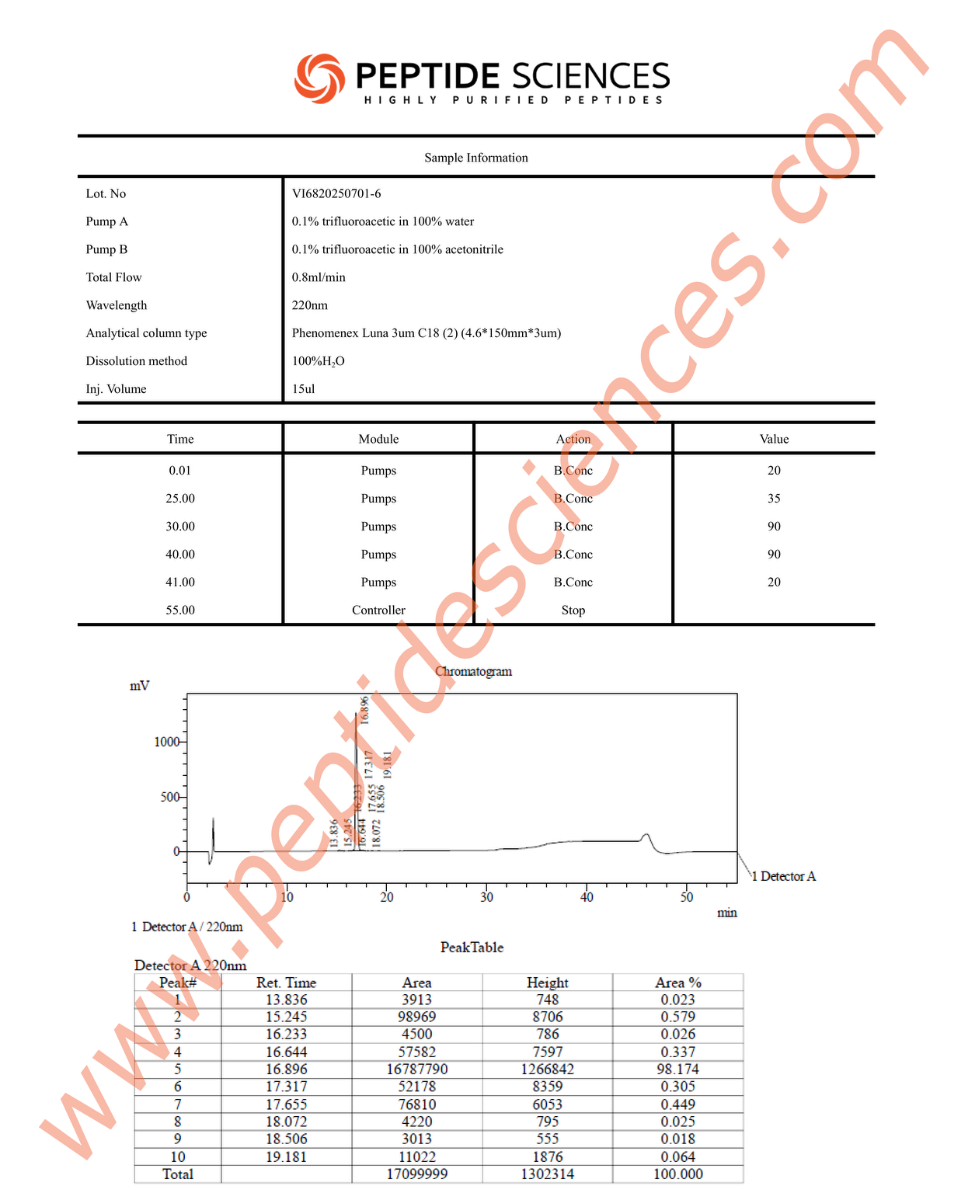
- High-Performance Liquid Chromatography (HPLC)
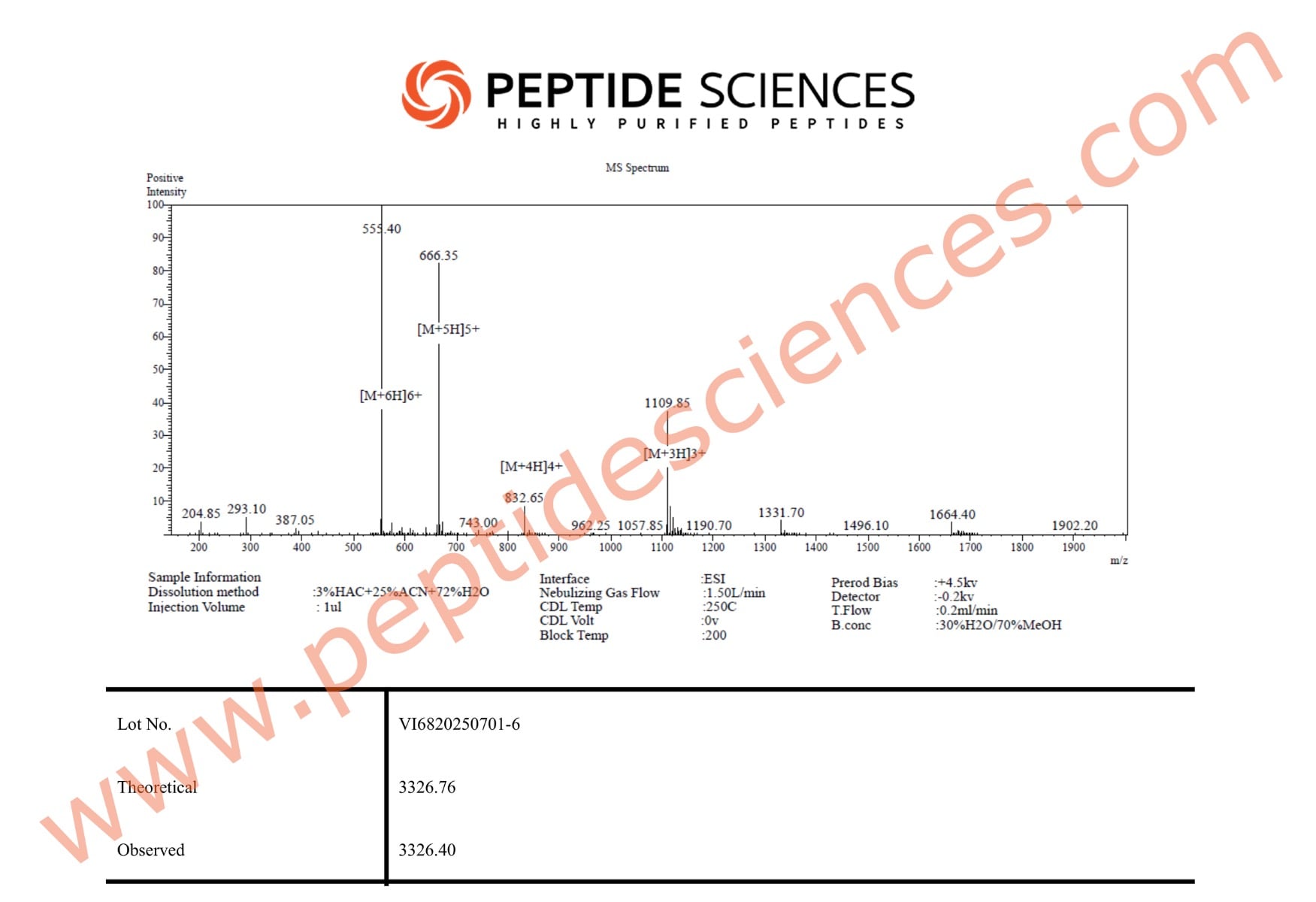
- Mass Spectrometry (MS)
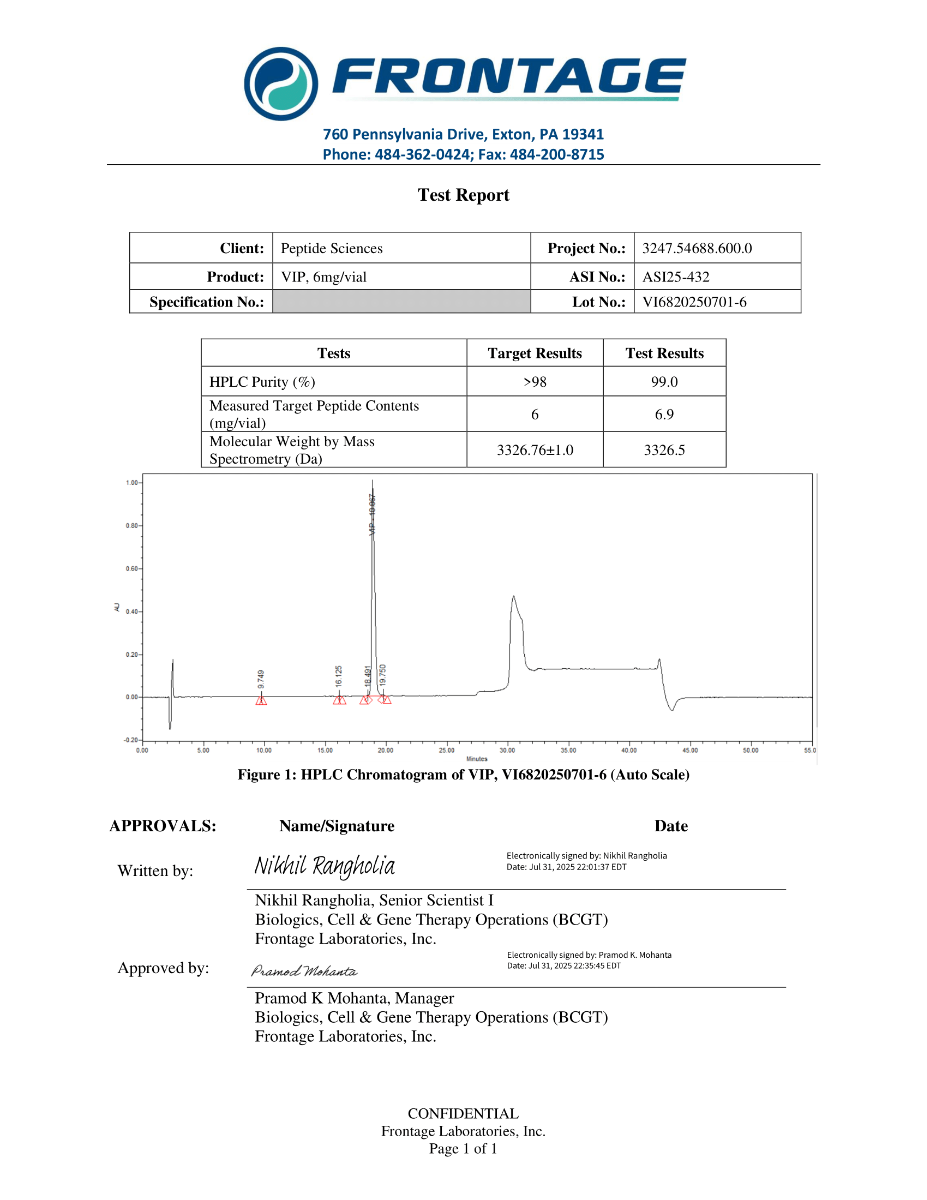
Analytical documentation is provided for structural confirmation and batch consistency assessment only.
Referenced Citations
- E. Gonzalez-Rey and M. Delgado, “Role of vasoactive intestinal peptide in inflammation and autoimmunity,” Curr. Opin. Investig. Drugs Lond. Engl. 2000, vol. 6, no. 11, pp. 1116–1123, Nov. 2005.
- M. Delgado, D. Pozo, and D. Ganea, “The Significance of Vasoactive Intestinal Peptide in Immunomodulation,” Pharmacol. Rev., vol. 56, no. 2, pp. 249–290, Jun. 2004, doi: 10.1124/pr.56.2.7.
- S. Seo et al., “Vasoactive intestinal peptide decreases inflammation and tight junction disruption in experimental necrotizing enterocolitis,” J. Pediatr. Surg., vol. 54, no. 12, pp. 2520–2523, Dec. 2019, doi: 10.1016/j.jpedsurg.2019.08.038.
- E. Gonzalez-Rey and M. Delgado, “Therapeutic treatment of experimental colitis with regulatory dendritic cells generated with vasoactive intestinal peptide,” Gastroenterology, vol. 131, no. 6, pp. 1799–1811, Dec. 2006, doi: 10.1053/j.gastro.2006.10.023.
- S. I. Said, “The vasoactive intestinal peptide gene is a key modulator of pulmonary vascular remodeling and inflammation,” Ann. N. Y. Acad. Sci., vol. 1144, pp. 148–153, Nov. 2008, doi: 10.1196/annals.1418.014.
- A. M. Szema et al., “NFATc3 and VIP in Idiopathic Pulmonary Fibrosis and Chronic Obstructive Pulmonary Disease,” PloS One, vol. 12, no. 1, p. e0170606, 2017, doi: 10.1371/journal.pone.0170606.
- “Vasoactive Intestinal Peptide – an overview | ScienceDirect Topics.” https://www.sciencedirect.com/topics/neuroscience/vasoactive-intestinal-peptide (accessed Jan. 01, 2021).
- V. Petkov et al., “Vasoactive intestinal peptide as a new drug for treatment of primary pulmonary hypertension,” J. Clin. Invest., vol. 111, no. 9, pp. 1339–1346, May 2003, doi: 10.1172/JCI17500.
- A. Chorny, E. Gonzalez-Rey, and M. Delgado, “Regulation of dendritic cell differentiation by vasoactive intestinal peptide: therapeutic applications on autoimmunity and transplantation,” Ann. N. Y. Acad. Sci., vol. 1088, pp. 187–194, Nov. 2006, doi: 10.1196/annals.1366.004.
- D. R. Staines, E. W. Brenu, and S. Marshall-Gradisnik, “Postulated vasoactive neuropeptide immunopathology affecting the blood–brain/blood–spinal barrier in certain neuropsychiatric fatigue-related conditions: A role for phosphodiesterase inhibitors in treatment?,” Neuropsychiatr. Dis. Treat., vol. 5, pp. 81–89, 2009, Accessed: Jan. 01, 2021. [Online]. Available: https://www.ncbi.nlm.nih.gov/pmc/articles/PMC2695238/.
- F. R. O. de Souza, F. M. Ribeiro, and P. M. d’ Almeida Lima, “Implications of VIP and PACAP in Parkinson’s disease: what do we know so far?,” Curr. Med. Chem., Mar. 2020, doi: 10.2174/0929867327666200320162436.
- O. T. Korkmaz et al., “Vasoactive Intestinal Peptide Decreases β-Amyloid Accumulation and Prevents Brain Atrophy in the 5xFAD Mouse Model of Alzheimer’s Disease,” J. Mol. Neurosci. MN, vol. 68, no. 3, pp. 389–396, Jul. 2019, doi: 10.1007/s12031-018-1226-8.
- P. Gressens, L. Besse, P. Robberecht, I. Gozes, M. Fridkin, and P. Evrard, “Neuroprotection of the developing brain by systemic administration of vasoactive intestinal peptide derivatives,” J. Pharmacol. Exp. Ther., vol. 288, no. 3, pp. 1207–1213, Mar. 1999.
- R. L. Mosley et al., “A Synthetic Agonist to Vasoactive Intestinal Peptide Receptor-2 Induces Regulatory T Cell Neuroprotective Activities in Models of Parkinson’s Disease,” Front. Cell. Neurosci., vol. 13, p. 421, 2019, doi: 10.3389/fncel.2019.00421.
- M. Yasuda, K. Maeda, T. Kakigi, N. Minamitani, T. Kawaguchi, and C. Tanaka, “Low cerebrospinal fluid concentrations of peptide histidine valine and somatostatin-28 in Alzheimer’s disease: altered processing of prepro-vasoactive intestinal peptide and prepro-somatostatin,” Neuropeptides, vol. 29, no. 6, pp. 325–330, Dec. 1995, doi: 10.1016/0143-4179(95)90003-9.
- R. H. Perry, G. J. Dockray, R. Dimaline, E. K. Perry, G. Blessed, and B. E. Tomlinson, “Neuropeptides in Alzheimer’s disease, depression and schizophrenia. A post mortem analysis of vasoactive intestinal peptide and cholecystokinin in cerebral cortex,” J. Neurol. Sci., vol. 51, no. 3, pp. 465–472, Sep. 1981, doi: 10.1016/0022-510x(81)90123-4.
- K. A. Duggan, G. Hodge, J. Chen, and T. Hunter, “Vasoactive intestinal peptide infusion reverses existing myocardial fibrosis in the rat,” Eur. J. Pharmacol., vol. 862, p. 172629, Nov. 2019, doi: 10.1016/j.ejphar.2019.172629.
- C. Smith, BGR, Aug. 03, 2020. https://bgr.com/2020/08/03/coronavirus-cure-rlf-100-aviptadil-phase-3-trial/ (accessed Jan. 01, 2021).
ALL ARTICLES AND PRODUCT INFORMATION PROVIDED ON THIS WEBSITE ARE FOR INFORMATONAL AND EDUCATIONAL PURPOSES ONLY.
Certificate of Analysis (COA)
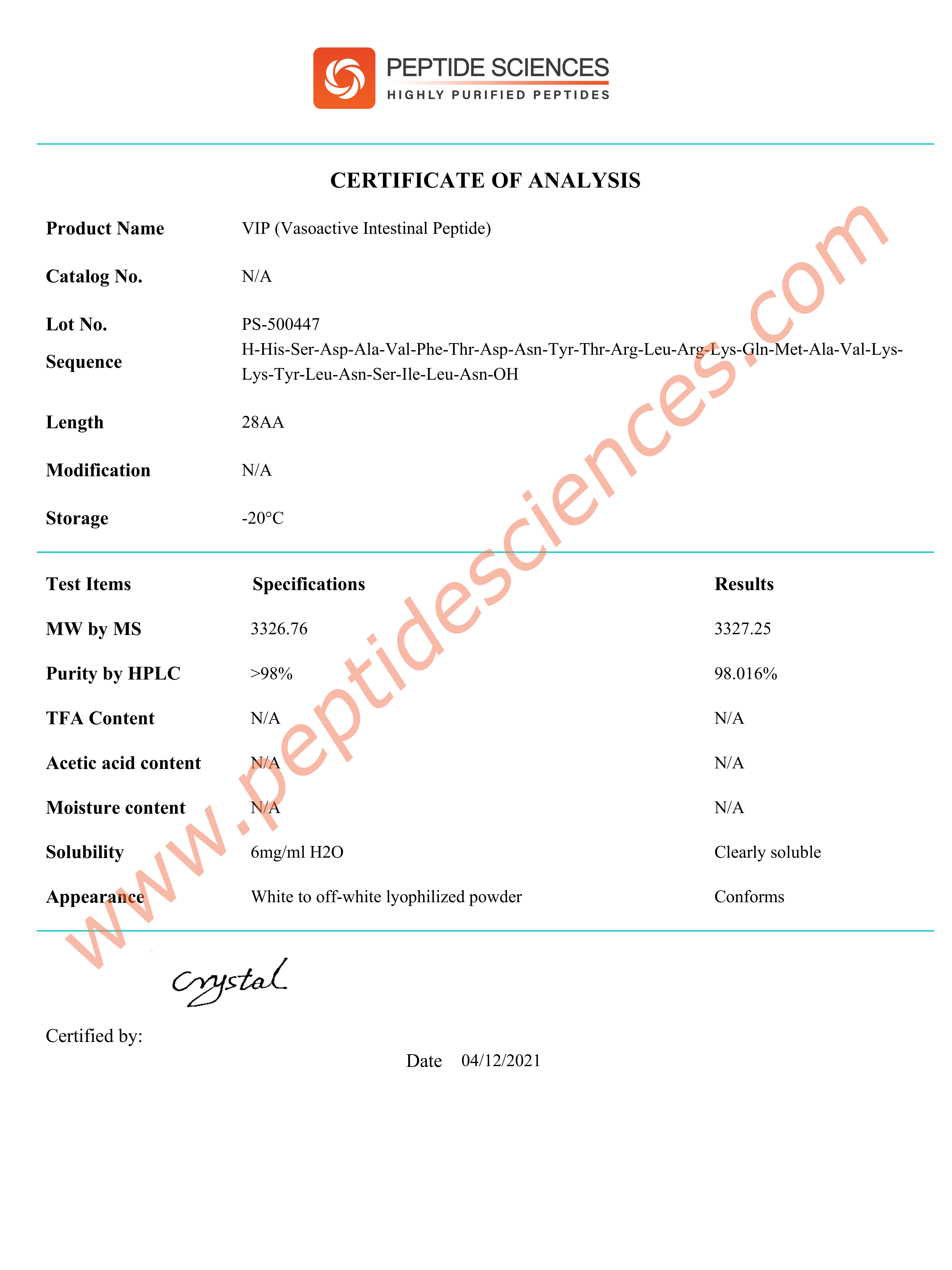
High Performance Liquid Chromatography (HPLC)
Mass Spectrometry (MS)
RUO Disclaimer
The products offered on this website are furnished for in-vitro studies only. In-vitro studies (Latin: in glass) are performed outside of the body. These products are not medicines or drugs and have not been approved by the FDA to prevent, treat or cure any medical condition, ailment or disease. Bodily introduction of any kind into humans or animals is strictly forbidden by law.
For Laboratory Research Only. Not for human use, medical use, diagnostic use, or veterinary use.
Storage Instructions:
All of our products are manufactured using the Lyophilization (Freeze Drying) process, which ensures that our products remain 100% stable for shipping for up to 3-4 months.
Once the peptides are reconstituted (mixed with bacteriostatic water), they must be stored in the fridge to maintain stability. After reconstitution, the peptides will remain stable for up to 30 days.
Lyophilization is a unique dehydration process, also known as cryodesiccation, where the peptides are frozen and then subjected to low pressure. This causes the water in the peptide vial to sublimate directly from solid to gas, leaving behind a stable, crystalline white structure known as lyophilized peptide. The puffy white powder can be stored at room temperature until you’re ready to reconstitute it with bacteriostatic water.
Once peptides have been received, it is imperative that they are kept cold and away from light. If the peptides will be used immediately, or in the next several days, weeks or months, short-term refrigeration under 4C (39F) is generally acceptable. Lyophilized peptides are usually stable at room temperatures for several weeks or more, so if they will be utilized within weeks or months such storage is typically adequate.
However, for longer term storage (several months to years) it is more preferable to store peptides in a freezer at -80C (-112F). When storing peptides for months or even years, freezing is optimal in order to preserve the peptide’s stability.
Why Choose Our VIP 6mg?
When you are looking for VIP 6mg for sale, quality is paramount.
Our products undergo rigorous testing to ensure they meet the strict requirements of laboratory environments.
By choosing to buy VIP 6mg from our store, you are guaranteed a product that is:
- High Purity (Tested for 99%+)
- Fast Shipping – Always in stock
- Secure Packaging for Research Integrity
- Competitive Pricing for Bulk Orders
Specifications & Technical Data
| Feature | Specification |
|---|---|
| Product Name | VIP 6mg |
| SKU | 153 |
| Purity | >99% |
| Form | Research Grade Compound |
| Availability | In Stock / For Sale |
Scientific Research & Clinical Applications
The research surrounding VIP 6mg is vast. Scientists explore its potential in various metabolic and physiological models.
For more detailed scientific data, you can visit PubMed
to review the latest peer-reviewed literature regarding this compound.
Frequently Asked Questions
Where can I buy VIP 6mg?
You can buy VIP 6mg directly from our website. We provide a secure checkout and fast shipping to ensure your research stays on track.
Is VIP 6mg in stock?
Yes, we currently have VIP 6mg in stock. Orders are typically processed within 24 hours to ensure rapid delivery to your laboratory.
Related Research Products
If you are interested in VIP 6mg, you may also want to explore these related products currently in stock:
Disclaimer: All products listed are for research purposes only. Not for human consumption.
Related products

All Peptides

All Peptides

All Peptides
All Peptides
All Peptides

All Peptides

All Peptides
All Peptides