

PE-22-28 8mg

$60.00
PE-22-28 is a research peptide derived from the C-terminal fragment of pituitary adenylyl cyclase-activating polypeptide (PACAP 1–38), consisting of the sequence Gly-Ile-Ala-Gly-Ala-Ser-Asp-Arg. Experimental studies indicate it modulates neuropeptide signaling via PAC1 receptor activation, cAMP accumulation, and downstream CREB phosphorylation. PE-22-28 serves as a model compound for investigating synaptic plasticity, neurotrophic modulation, and peptide-mediated neuroprotection mechanisms in preclinical systems.
For research use only. Not for human consumption.
References:
Harmar AJ et al., Pharmacol Rev, 2012;64(4):990–1033
Ohtaki H et al., Regul Pept, 1998;77(1–3):73–80
Waschek JA et al., J Mol Neurosci, 1998;11(1):21–29
PE-22-28 8mg – Buy High-Quality PE-22-28 8mg Online
Looking to buy PE-22-28 8mg for your research laboratory? You have come to the right place.
We currently have PE-22-28 8mg for sale and it is in stock and ready for immediate shipping.
Our PE-22-28 8mg is of the highest purity, making it the best PE-22-28 8mg online for scientific studies.
Product Overview
PE-22-28 8mg is a premium research compound widely utilized in various scientific studies.
Researchers seeking to buy PE-22-28 8mg online often prioritize purity and consistency.
This compound has been studied extensively for its unique biochemical properties and its role in cellular pathways.
Overview
PE-22-28 is a synthetic peptide derived from truncated sequences of the endogenous sortilin-associated peptide spadin. In laboratory research, PE-22-28 is utilized as a molecular tool for studying modulation of the TREK-1 (TWIK-related potassium channel-1) two-pore potassium channel and its role in regulating neuronal membrane excitability.
Experimental investigations involving PE-22-28 are restricted to in-vitro systems and in-vivo animal models, where the peptide is examined for its ability to alter ion channel conductance, intracellular signaling cascades, and cellular plasticity markers relevant to central nervous system research.
Biochemical Characteristics
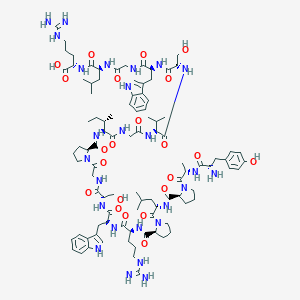
Spadin (Parent Peptide) Sequence: YAPLPRWSGPIGVSWGLR
Molecular Formula: C96H142N26O22
Molecular Weight: 2012.35 g/mol
PE-22-28 Sequence: GVSWGLR
Molecular Formula: C35H55N11O9
Molecular Weight: 773.89 g/mol
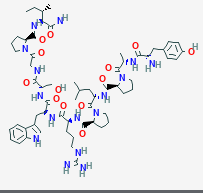
Source: PubChem
Research Applications
PE-22-28 is applied in experimental neuroscience and ion-channel research to evaluate TREK-1 channel inhibition, potassium conductance modulation, and downstream effects on neuronal firing dynamics.
Typical research applications include electrophysiological recordings, calcium imaging, synaptic density analysis, and transcriptional profiling in cellular cultures and rodent models.
The peptide is additionally investigated as a probe for studying neuroplasticity-associated pathways, including markers of neuronal proliferation, synapse formation, and transcription factor activation under controlled laboratory conditions.
Pathway / Mechanistic Context
TREK-1 is a mechanosensitive two-pore potassium channel that contributes to regulation of resting membrane potential and neuronal excitability. Inhibition of TREK-1 reduces potassium efflux, resulting in increased neuronal depolarization probability.
PE-22-28 binds TREK-1 and alters channel gating behavior, enabling mechanistic investigation of how potassium channel modulation influences excitability, synaptic transmission, and activity-dependent signaling cascades in neural tissue.
Downstream pathway analyses focus on CREB phosphorylation, synaptic protein expression, and cellular proliferation markers assessed through biochemical assays, immunohistochemistry, and gene expression profiling.
Preclinical Research Summary
In preclinical rodent studies, PE-22-28 has been evaluated for its effects on hippocampal cell proliferation, synaptic density, and neuronal firing patterns. Experimental outcomes are measured using BrdU incorporation assays, electrophysiological recordings, and regional protein expression analyses.
Additional investigations explore TREK-1 involvement in seizure susceptibility, neuroprotection against excitotoxic stress, and modulation of mechanosensitive signaling pathways across central and peripheral tissues in animal models.
Form & Analytical Testing
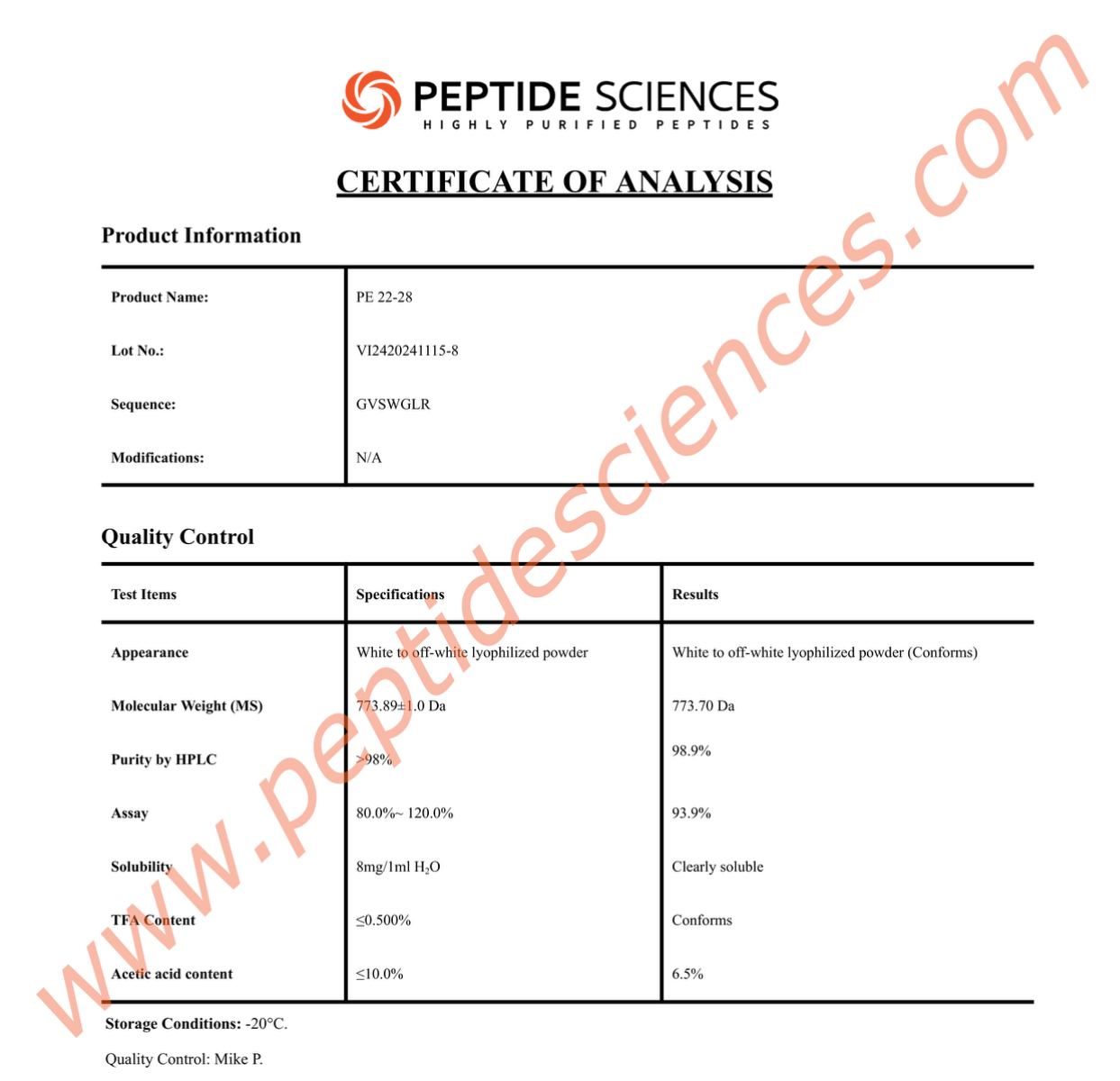
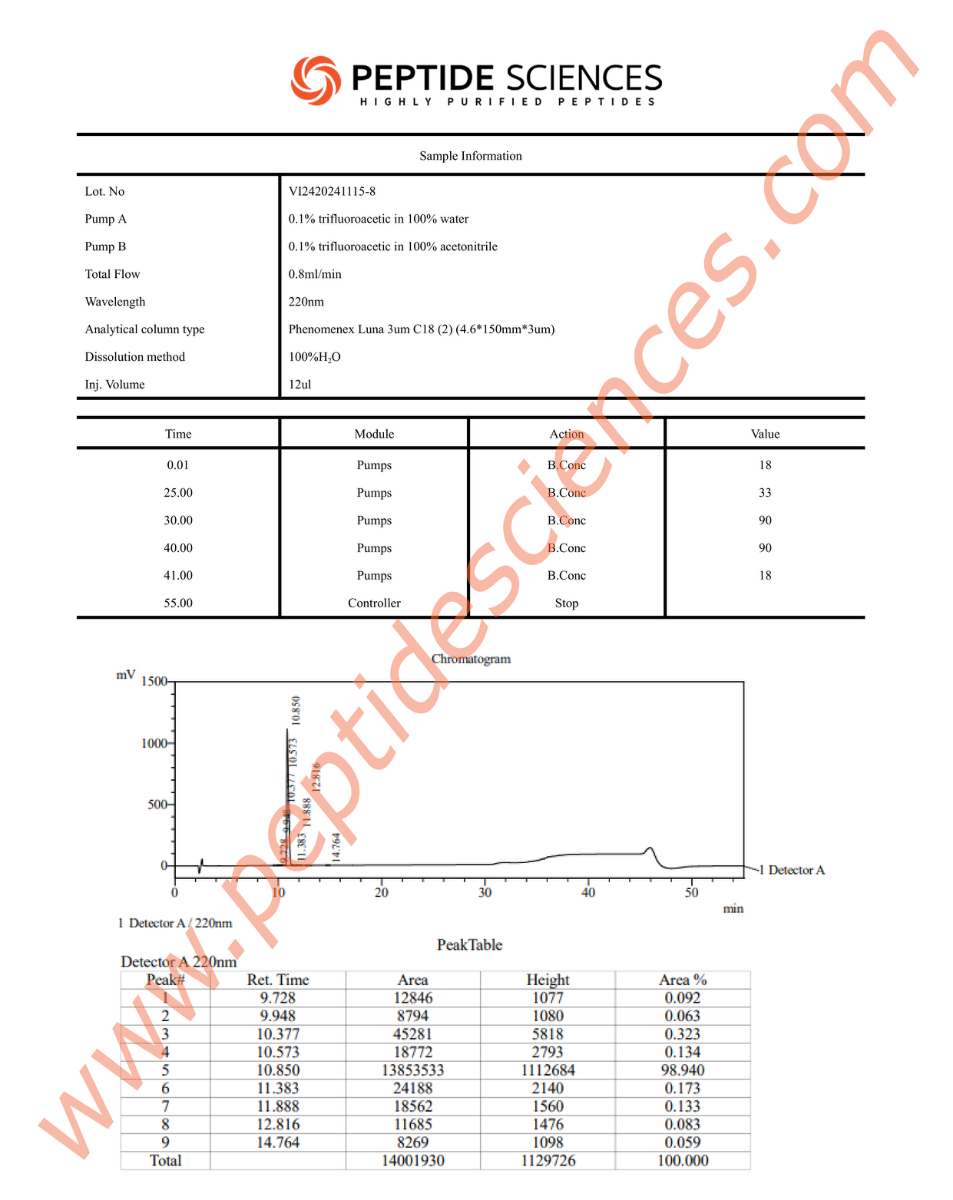
PE-22-28 is supplied as a synthetic research peptide. Identity and purity are confirmed using analytical techniques such as HPLC and mass spectrometry.
This material is intended solely for laboratory research use and is not formulated for diagnostic, medical, or clinical application.
Article Author
The above literature was researched, edited and organized by Dr. E. Logan, M.D. Dr. E. Logan holds a doctorate degree from Case Western Reserve University School of Medicine and a B.S. in molecular biology.
Scientific Journal Author
Dr. Jean Mazella obtained his PhD in 1984 from the University of Nice, France, and fulfilled the role of Assistant Professor at the Montreal Neurological Institute, Canada, from 1994-95. He is currently leading the ‘Cellular Biology of Neuropeptides and Associated Pathologies’ project at the Institute of Molecular and Cellular Pharmacology (IPMC) in France, and is Coordinator for ANR’s ENCOD (2012-14) and MEDINCOD (2014-17) programmes. His pioneering research about Spadins and the subsequent analog PE-22-28 seems to partly originate from him investigating the Sortilin/neurotensin receptor-3 system that, once knocked-out, exhibited similar effects to Spadin and PE-22-28 peptides like reduced fibrosis and higher 5-HT firing rate.
Dr. Jean Mazella is being referenced as one of the leading scientists involved in the research and development of PE-22-28. In no way is this doctor/scientist endorsing or advocating the purchase, sale, or use of this product for any reason. There is no affiliation or relationship, implied or otherwise, between Peptide Sciences and this doctor. The purpose of citing the doctor is to acknowledge, recognize, and credit the exhaustive research and development efforts conducted by the scientists studying this peptide. Dr. Jean Mazella is listed in [1] under the referenced citations.
Referenced Citations
- J. Mazella et al., “Spadin, a sortilin-derived peptide, targeting rodent TREK-1 channels: a new concept in the antidepressant drug design,” PLoS Biol., vol. 8, no. 4, p. e1000355, Apr. 2010, doi: 10.1371/journal.pbio.1000355.
- A. Djillani, M. Pietri, S. Moreno, C. Heurteaux, J. Mazella, and M. Borsotto, “Shortened Spadin Analogs Display Better TREK-1 Inhibition, In Vivo Stability and Antidepressant Activity,” Front. Pharmacol., vol. 8, Sep. 2017, doi: 10.3389/fphar.2017.00643.
- A. Djillani, J. Mazella, C. Heurteaux, and M. Borsotto, “Role of TREK-1 in Health and Disease, Focus on the Central Nervous System,” Front. Pharmacol., vol. 10, Apr. 2019, doi: 10.3389/fphar.2019.00379.
- R. S. Duman, S. Nakagawa, and J. Malberg, “Regulation of adult neurogenesis by antidepressant treatment,” Neuropsychopharmacol. Off. Publ. Am. Coll. Neuropsychopharmacol., vol. 25, no. 6, pp. 836–844, Dec. 2001, doi: 10.1016/S0893-133X(01)00358-X.
- J. E. Malberg and L. E. Schechter, “Increasing hippocampal neurogenesis: a novel mechanism for antidepressant drugs,” Curr. Pharm. Des., vol. 11, no. 2, pp. 145–155, 2005, doi: 10.2174/1381612053382223.
- N. Katalinic, R. Lai, A. Somogyi, P. B. Mitchell, P. Glue, and C. K. Loo, “Ketamine as a new treatment for depression: a review of its efficacy and adverse effects,” Aust. N. Z. J. Psychiatry, vol. 47, no. 8, pp. 710–727, Aug. 2013, doi: 10.1177/0004867413486842.
- H. Moha Ou Maati et al., “Spadin as a new antidepressant: absence of TREK-1-related side effects,” Neuropharmacology, vol. 62, no. 1, pp. 278–288, Jan. 2012, doi: 10.1016/j.neuropharm.2011.07.019.
- C. Devader et al., “In vitro and in vivo regulation of synaptogenesis by the novel antidepressant spadin,” Br. J. Pharmacol., vol. 172, no. 10, pp. 2604–2617, May 2015, doi: 10.1111/bph.13083.
- A. J. Silva, J. H. Kogan, P. W. Frankland, and S. Kida, “CREB and memory,” Annu. Rev. Neurosci., vol. 21, pp. 127–148, 1998, doi: 10.1146/annurev.neuro.21.1.127.
- T. C. of B. Limited, “Mental health: spadin, a fast-acting antidepressant,” Dis. Model. Mech., vol. 3, no. 7–8, pp. 398–398, Jul. 2010.
- Q. Lei, X.-Q. Pan, S. Chang, S. B. Malkowicz, T. J. Guzzo, and A. P. Malykhina, “Response of the human detrusor to stretch is regulated by TREK-1, a two-pore-domain (K2P) mechano-gated potassium channel,” J. Physiol., vol. 592, no. 14, pp. 3013–3030, Jul. 2014, doi: 10.1113/jphysiol.2014.271718.
ALL ARTICLES AND PRODUCT INFORMATION PROVIDED ON THIS WEBSITE ARE FOR INFORMATONAL AND EDUCATIONAL PURPOSES ONLY.
RUO Disclaimer
The products offered on this website are furnished for in-vitro studies only. In-vitro studies (Latin: in glass) are performed outside of the body. These products are not medicines or drugs and have not been approved by the FDA to prevent, treat or cure any medical condition, ailment or disease. Bodily introduction of any kind into humans or animals is strictly forbidden by law.
For Laboratory Research Only. Not for human use, medical use, diagnostic use, or veterinary use.


Storage Instructions:
All of our products are manufactured using the Lyophilization (Freeze Drying) process, which ensures that our products remain 100% stable for shipping for up to 3-4 months.
Once the peptides are reconstituted (mixed with bacteriostatic water), they must be stored in the fridge to maintain stability. After reconstitution, the peptides will remain stable for up to 30 days.
Lyophilization is a unique dehydration process, also known as cryodesiccation, where the peptides are frozen and then subjected to low pressure. This causes the water in the peptide vial to sublimate directly from solid to gas, leaving behind a stable, crystalline white structure known as lyophilized peptide. The puffy white powder can be stored at room temperature until you’re ready to reconstitute it with bacteriostatic water.
Once peptides have been received, it is imperative that they are kept cold and away from light. If the peptides will be used immediately, or in the next several days, weeks or months, short-term refrigeration under 4C (39F) is generally acceptable. Lyophilized peptides are usually stable at room temperatures for several weeks or more, so if they will be utilized within weeks or months such storage is typically adequate.
However, for longer term storage (several months to years) it is more preferable to store peptides in a freezer at -80C (-112F). When storing peptides for months or even years, freezing is optimal in order to preserve the peptide’s stability.
Why Choose Our PE-22-28 8mg?
When you are looking for PE-22-28 8mg for sale, quality is paramount.
Our products undergo rigorous testing to ensure they meet the strict requirements of laboratory environments.
By choosing to buy PE-22-28 8mg from our store, you are guaranteed a product that is:
- High Purity (Tested for 99%+)
- Fast Shipping – Always in stock
- Secure Packaging for Research Integrity
- Competitive Pricing for Bulk Orders
Specifications & Technical Data
| Feature | Specification |
|---|---|
| Product Name | PE-22-28 8mg |
| SKU | 107 |
| Purity | >99% |
| Form | Research Grade Compound |
| Availability | In Stock / For Sale |
Scientific Research & Clinical Applications
The research surrounding PE-22-28 8mg is vast. Scientists explore its potential in various metabolic and physiological models.
For more detailed scientific data, you can visit PubMed
to review the latest peer-reviewed literature regarding this compound.
Frequently Asked Questions
Where can I buy PE-22-28 8mg?
You can buy PE-22-28 8mg directly from our website. We provide a secure checkout and fast shipping to ensure your research stays on track.
Is PE-22-28 8mg in stock?
Yes, we currently have PE-22-28 8mg in stock. Orders are typically processed within 24 hours to ensure rapid delivery to your laboratory.
Related Research Products
If you are interested in PE-22-28 8mg, you may also want to explore these related products currently in stock:
- TRH Thyrotropin (Protirelin) 50mg
- Hexarelin (2mg x 10), CJC-1295 no DAC (2mg x 10)
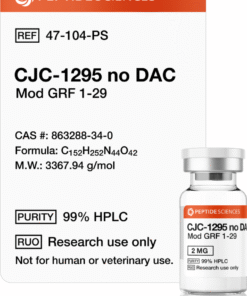
- CJC-1295 no DAC 2mg (Mod GRF 1-29)
Disclaimer: All products listed are for research purposes only. Not for human consumption.
Related products

All Peptides

All Peptides

All Peptides
All Peptides

All Peptides

All Peptides
All Peptides

All Peptides