
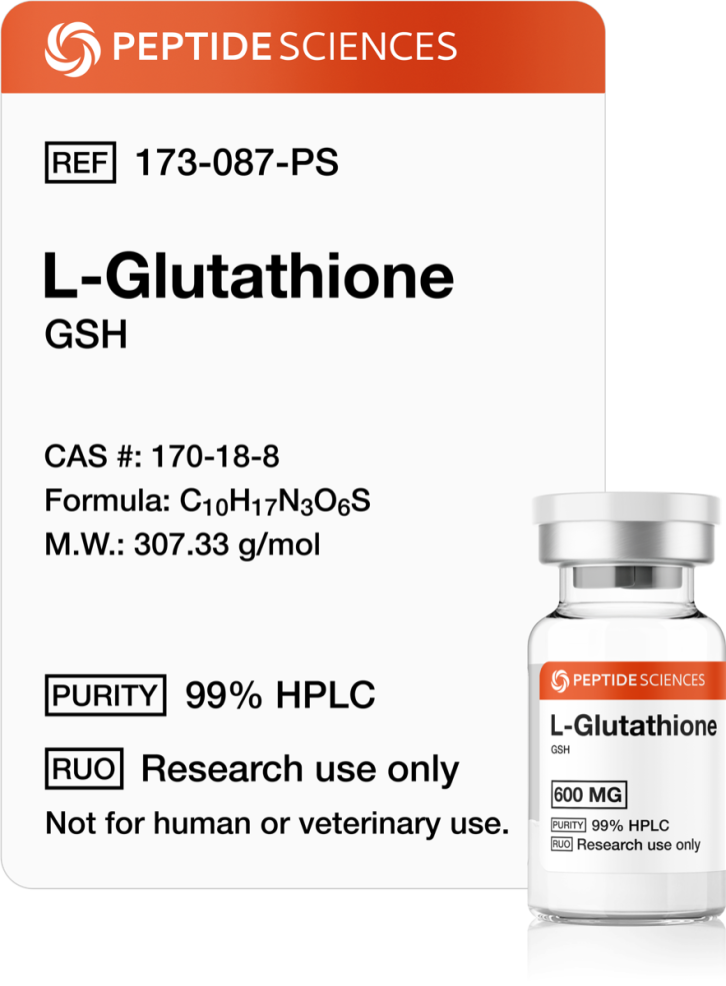
L-Glutathione 600mg
$85.00
L-Glutathione is a tripeptide (γ-L-glutamyl-L-cysteinylglycine) that functions as a major intracellular antioxidant and redox regulator. It participates in detoxification, cellular protection, and metabolic homeostasis by modulating reactive oxygen species and maintaining thiol balance. L-Glutathione is widely used in biochemical and cellular research focusing on oxidative stress mechanisms, redox biochemistry, and glutathione-dependent enzymatic pathways.
For research use only. Not for human consumption.
References:
Forman HJ et al., Free Radic Biol Med, 2009 47(10):1304–1313
Lu SC, Mol Aspects Med, 2009 30(1–2):42–59
Pompella A et al., Biochem Pharmacol, 2003 66(8):1499–1503
L-Glutathione 600mg – Buy High-Quality L-Glutathione 600mg Online
Looking to buy L-Glutathione 600mg for your research laboratory? You have come to the right place.
We currently have L-Glutathione 600mg for sale and it is in stock and ready for immediate shipping.
Our L-Glutathione 600mg is of the highest purity, making it the best L-Glutathione 600mg online for scientific studies.
Product Overview
L-Glutathione 600mg is a premium research compound widely utilized in various scientific studies.
Researchers seeking to buy L-Glutathione 600mg online often prioritize purity and consistency.
This compound has been studied extensively for its unique biochemical properties and its role in cellular pathways.
Overview
L-Glutathione (γ-L-glutamyl-L-cysteinyl-glycine) is a low-molecular-weight tripeptide ubiquitously synthesized in eukaryotic cells and extensively studied in biochemical and molecular biology research as a central regulator of intracellular redox balance. In laboratory systems, glutathione functions as a primary thiol-based redox buffer and participates in enzymatic detoxification, protein folding quality control, and maintenance of cellular redox homeostasis.
The following description is limited exclusively to mechanistic, cellular, and preclinical research contexts, with emphasis on glutathione’s biochemical properties, molecular pathways, and experimentally observed roles in in-vitro systems and animal models.
Biochemical Characteristics
Molecular Formula: C10H17N3O6S
Molecular Weight: 307.33 g/mol
PubChem CID: 124886
CAS No: 170-18-8
Alternative Names: Glutathione, GSH
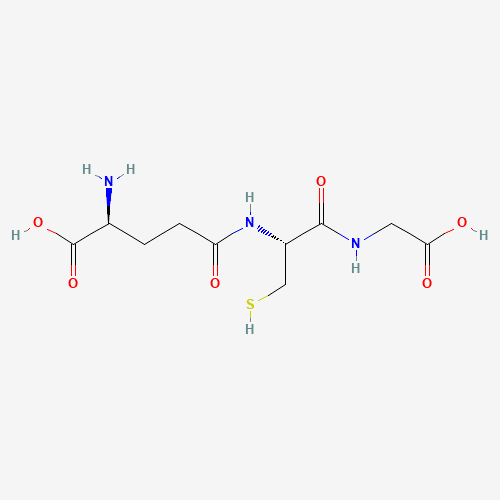
Source: PubChem
The cysteine thiol group confers redox activity, enabling reversible oxidation–reduction cycling between reduced (GSH) and oxidized (GSSG) states. This property underlies glutathione’s central role in redox-sensitive enzymatic systems, including glutathione peroxidases, reductases, and transferases.
Research Applications
L-Glutathione is routinely utilized in laboratory research investigating:
• Cellular redox buffering and oxidative stress modeling
• Enzymatic detoxification pathways (e.g., conjugation reactions mediated by glutathione-dependent enzymes)
• Protein folding and disulfide bond formation within the endoplasmic reticulum
• Ferroptosis and lipid peroxidation signaling in cell-death research
• Neurochemical redox modulation and glial signaling studies
• Redox-dependent regulation of immune cell activation and proliferation in vitro
Pathway / Mechanistic Context
Glutathione is synthesized via a two-step ATP-dependent pathway involving γ-glutamylcysteine synthetase and glutathione synthetase. The intracellular GSH:GSSG ratio is widely used in experimental biology as an indicator of cellular redox state.

Source: PubMed
Through direct electron donation, glutathione neutralizes reactive oxygen and nitrogen species and supports recycling of other redox-active molecules. In addition, glutathione participates in redox-sensitive signaling pathways that influence transcription factor activity, mitochondrial function, and programmed cell-death cascades.
Preclinical Research Summary
Extensive preclinical literature demonstrates that experimentally induced glutathione depletion alters oxidative stress sensitivity, mitochondrial integrity, and genome stability in cell culture and animal models[1], [2]. Such models are frequently used to investigate mechanisms of cellular senescence, ferroptosis, and redox-dependent transcriptional regulation.
In nervous system research, glutathione availability has been shown to modulate iron-dependent lipid peroxidation pathways and glial signaling mechanisms associated with neuronal vulnerability in animal models[10], [11]. Additional studies describe glutathione-dependent regulation of retinal support cells and lens protein redox maintenance in ocular biology research[12]–[15].
In oncology-focused laboratory research, glutathione metabolism is examined as a determinant of cellular resistance to oxidative and xenobiotic stress, with context-dependent effects on tumor cell survival and experimental treatment resistance models[8], [9].
Form & Analytical Testing
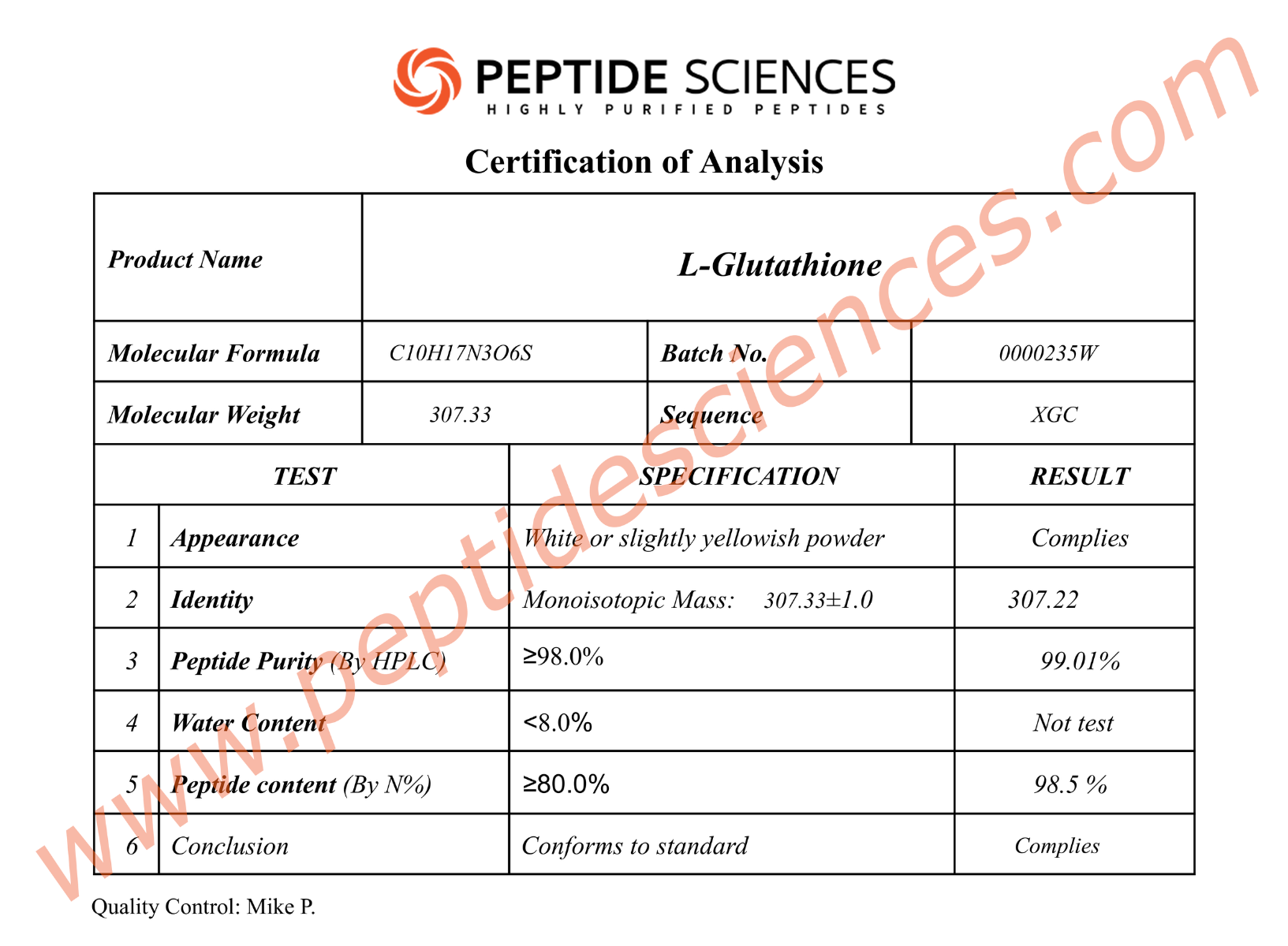
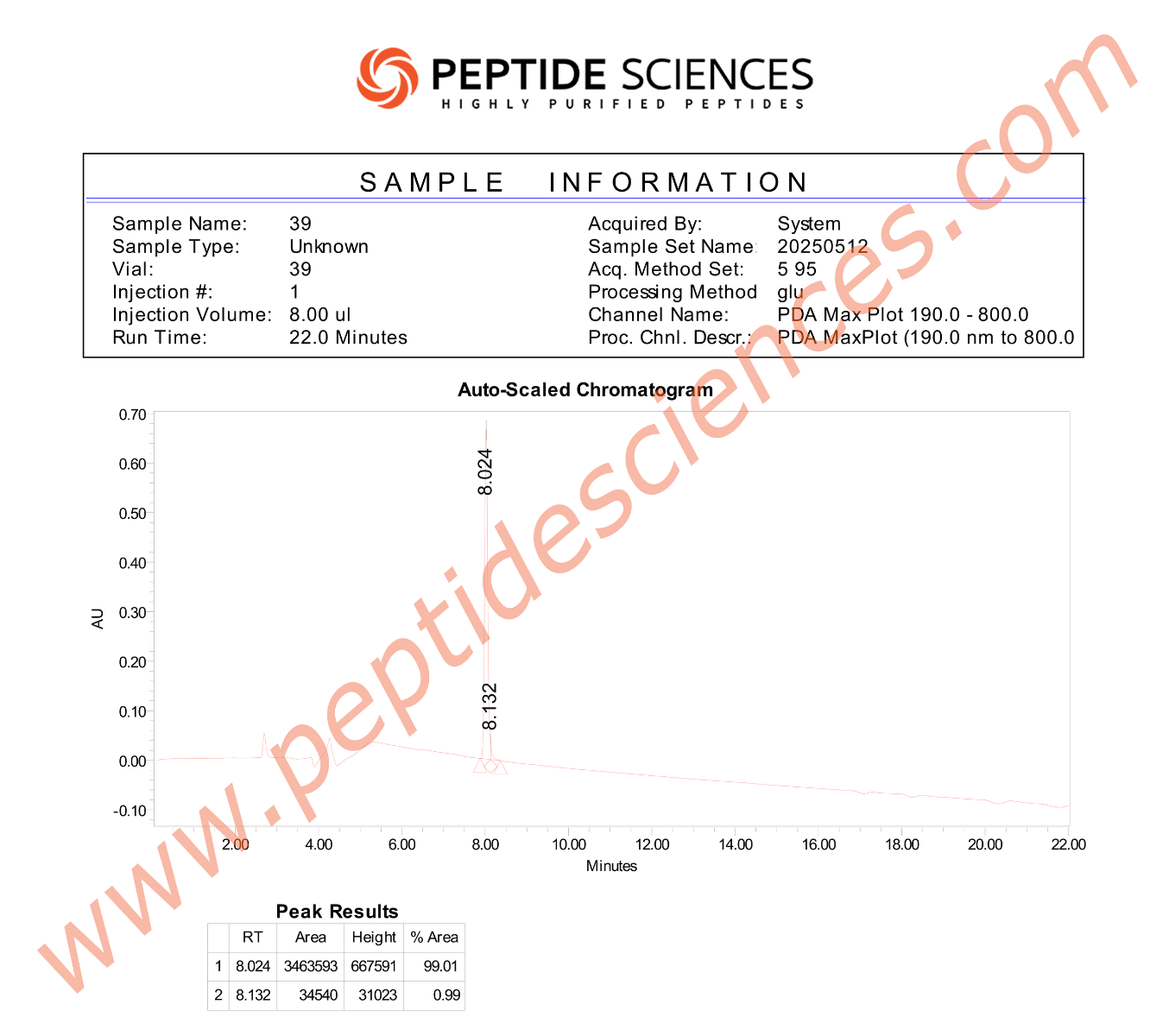
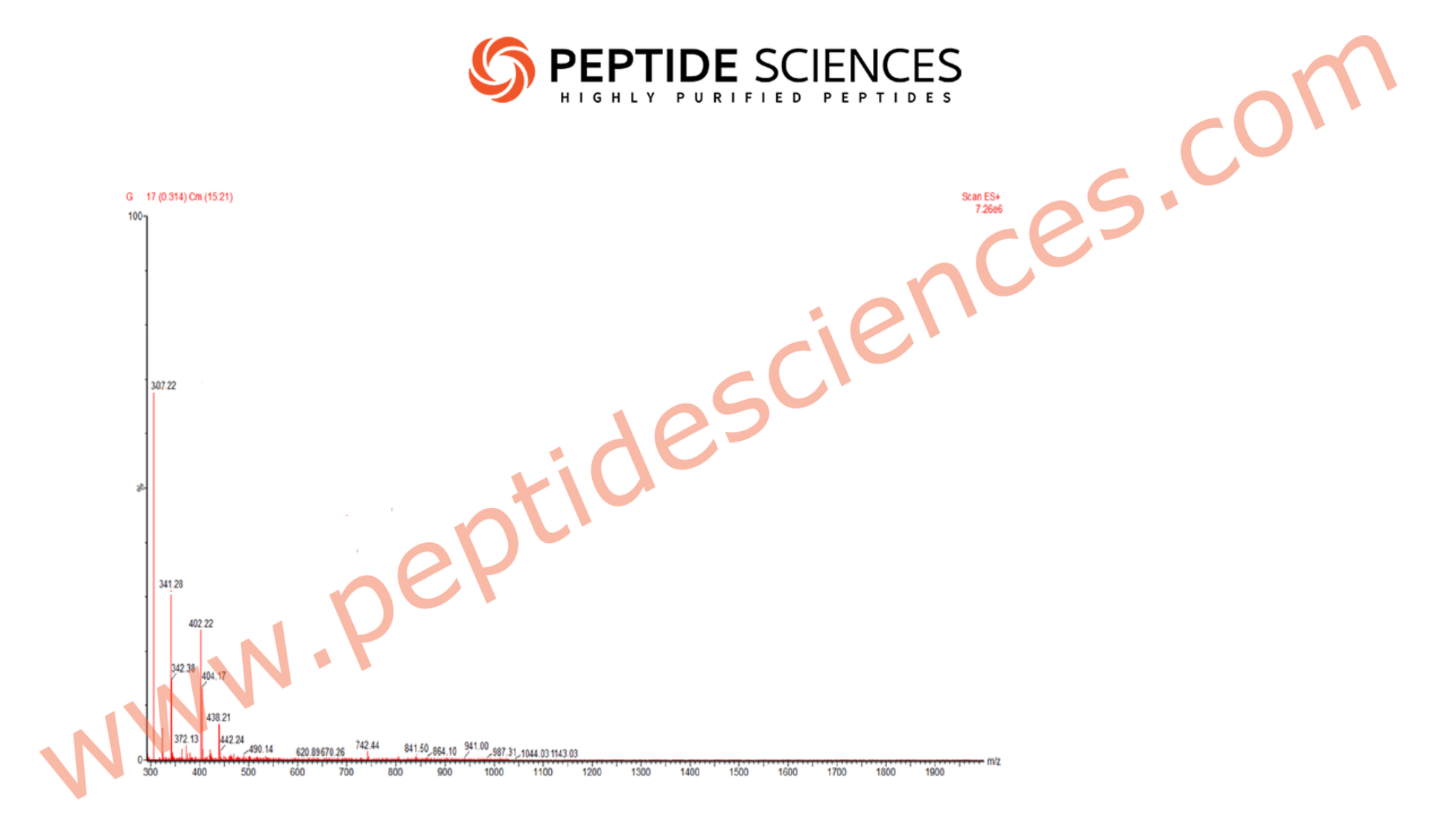
L-Glutathione supplied for laboratory use is intended for controlled experimental applications requiring sequence-verified material. Analytical characterization commonly includes identity confirmation by mass spectrometry and purity assessment via chromatographic methods.
Researchers are responsible for performing appropriate incoming quality control and validation prior to use in redox assays, enzymatic studies, protein folding experiments, or animal model research.
Referenced Citations
- H. J. Forman, H. Zhang, and A. Rinna, “Glutathione: overview of its protective roles, measurement, and biosynthesis,” Mol. Aspects Med., vol. 30, no. 1–2, pp. 1–12, Apr. 2009, doi: 10.1016/j.mam.2008.08.006.
- G. Teskey et al., “Glutathione as a Marker for Human Disease,” Adv. Clin. Chem., vol. 87, pp. 141–159, 2018, doi: 10.1016/bs.acc.2018.07.004.
- S. Tsunoda et al., “Intact protein folding in the glutathione-depleted endoplasmic reticulum implicates alternative protein thiol reductants,” eLife, vol. 3, p. e03421, Jul. 2014, doi: 10.7554/eLife.03421.
- D. A. Hudson, S. A. Gannon, and C. Thorpe, “Oxidative protein folding: from thiol-disulfide exchange reactions to the redox poise of the endoplasmic reticulum,” Free Radic. Biol. Med., vol. 80, pp. 171–182, Mar. 2015, doi: 10.1016/j.freeradbiomed.2014.07.037.
- H. R. Freitas and R. A. de M. Reis, “Glutathione induces GABA release through P2X7R activation on Müller glia,” Neurogenesis, vol. 4, no. 1, p. e1283188, Feb. 2017, doi: 10.1080/23262133.2017.1283188.
- J. H. Wu and G. Batist, “Glutathione and glutathione analogues; therapeutic potentials,” Biochim. Biophys. Acta, vol. 1830, no. 5, pp. 3350–3353, May 2013, doi: 10.1016/j.bbagen.2012.11.016.
- T. S. Nagapan, W. N. Lim, D. F. Basri, and A. R. Ghazali, “Oral supplementation of L-glutathione prevents ultraviolet B-induced melanogenesis and oxidative stress in BALB/c mice,” Exp. Anim., vol. 68, no. 4, pp. 541–548, Nov. 2019, doi: 10.1538/expanim.19-0017.
- A. Bansal and M. C. Simon, “Glutathione metabolism in cancer progression and treatment resistance,” J. Cell Biol., vol. 217, no. 7, pp. 2291–2298, Jul. 2018, doi: 10.1083/jcb.201804161.
- N. Traverso et al., “Role of glutathione in cancer progression and chemoresistance,” Oxid. Med. Cell. Longev., vol. 2013, p. 972913, 2013, doi: 10.1155/2013/972913.
- T. Homma and J. Fujii, “Application of Glutathione as Anti-Oxidative and Anti-Aging Drugs,” Curr. Drug Metab., vol. 16, no. 7, pp. 560–571, 2015, doi: 10.2174/1389200216666151015114515.
- P. Maher, “The effects of stress and aging on glutathione metabolism,” Ageing Res. Rev., vol. 4, no. 2, pp. 288–314, May 2005, doi: 10.1016/j.arr.2005.02.005.
- E. Ganea and J. J. Harding, “Glutathione-related enzymes and the eye,” Curr. Eye Res., vol. 31, no. 1, pp. 1–11, Jan. 2006, doi: 10.1080/02713680500477347.
- V. N. Reddy, “Glutathione and its function in the lens–an overview,” Exp. Eye Res., vol. 50, no. 6, pp. 771–778, Jun. 1990, doi: 10.1016/0014-4835(90)90127-g.
- V. N. Reddy and F. J. Giblin, “Metabolism and function of glutathione in the lens,” Ciba Found. Symp., vol. 106, pp. 65–87, 1984, doi: 10.1002/9780470720875.ch5.
- M. A. Babizhayev, “New concept in nutrition for the maintenance of the aging eye redox regulation and therapeutic treatment of cataract disease; synergism of natural antioxidant imidazole-containing amino acid-based compounds, chaperone, and glutathione boosting agents: a systemic perspective on aging and longevity emerged from studies in humans,” Am. J. Ther., vol. 17, no. 4, pp. 373–389, Aug. 2010, doi: 10.1097/MJT.0b013e3181d6b6c3.
- S. Zhu, D. Makosa, B. F. Miller, and T. M. Griffin, “Glutathione as a Mediator of Cartilage Oxidative Stress Resistance and Resilience During Aging and Osteoarthritis,” Connect. Tissue Res., vol. 61, no. 1, pp. 34–47, Jan. 2020, doi: 10.1080/03008207.2019.1665035.
- S. Weschawalit, S. Thongthip, P. Phutrakool, and P. Asawanonda, “Glutathione and its antiaging and antimelanogenic effects,” Clin. Cosmet. Investig. Dermatol., vol. 10, pp. 147–153, 2017, doi: 10.2147/CCID.S128339.
- W. Dilokthornsakul, T. Dhippayom, and P. Dilokthornsakul, “The clinical effect of glutathione on skin color and other related skin conditions: A systematic review,” J. Cosmet. Dermatol., vol. 18, no. 3, pp. 728–737, Jun. 2019, doi: 10.1111/jocd.12910.
- W. Dröge and R. Breitkreutz, “Glutathione and immune function,” Proc. Nutr. Soc., vol. 59, no. 4, pp. 595–600, Nov. 2000, doi: 10.1017/s0029665100000847.
- R. Sinha et al., “Oral supplementation with liposomal glutathione elevates body stores of glutathione and markers of immune function,” Eur. J. Clin. Nutr., vol. 72, no. 1, pp. 105–111, Jan. 2018, doi: 10.1038/ejcn.2017.132.
ALL ARTICLES AND PRODUCT INFORMATION PROVIDED ON THIS WEBSITE ARE FOR INFORMATIONAL AND EDUCATIONAL PURPOSES ONLY.
RUO Disclaimer
The products offered on this website are furnished for in-vitro studies only. In-vitro studies (Latin: in glass) are performed outside of the body. These products are not medicines or drugs and have not been approved by the FDA to prevent, treat or cure any medical condition, ailment or disease. Bodily introduction of any kind into humans or animals is strictly forbidden by law.
For Laboratory Research Only. Not for human use, medical use, diagnostic use, or veterinary use.
Storage Instructions:
All of our products are manufactured using the Lyophilization (Freeze Drying) process, which ensures that our products remain 100% stable for shipping for up to 3-4 months.
Once the peptides are reconstituted (mixed with bacteriostatic water), they must be stored in the fridge to maintain stability. After reconstitution, the peptides will remain stable for up to 30 days.
Lyophilization is a unique dehydration process, also known as cryodesiccation, where the peptides are frozen and then subjected to low pressure. This causes the water in the peptide vial to sublimate directly from solid to gas, leaving behind a stable, crystalline white structure known as lyophilized peptide. The puffy white powder can be stored at room temperature until you’re ready to reconstitute it with bacteriostatic water.
Once peptides have been received, it is imperative that they are kept cold and away from light. If the peptides will be used immediately, or in the next several days, weeks or months, short-term refrigeration under 4C (39F) is generally acceptable. Lyophilized peptides are usually stable at room temperatures for several weeks or more, so if they will be utilized within weeks or months such storage is typically adequate.
However, for longer term storage (several months to years) it is more preferable to store peptides in a freezer at -80C (-112F). When storing peptides for months or even years, freezing is optimal in order to preserve the peptide’s stability.
Why Choose Our L-Glutathione 600mg?
When you are looking for L-Glutathione 600mg for sale, quality is paramount.
Our products undergo rigorous testing to ensure they meet the strict requirements of laboratory environments.
By choosing to buy L-Glutathione 600mg from our store, you are guaranteed a product that is:
- High Purity (Tested for 99%+)
- Fast Shipping – Always in stock
- Secure Packaging for Research Integrity
- Competitive Pricing for Bulk Orders
Specifications & Technical Data
| Feature | Specification |
|---|---|
| Product Name | L-Glutathione 600mg |
| SKU | 75 |
| Purity | >99% |
| Form | Research Grade Compound |
| Availability | In Stock / For Sale |
Scientific Research & Clinical Applications
The research surrounding L-Glutathione 600mg is vast. Scientists explore its potential in various metabolic and physiological models.
For more detailed scientific data, you can visit PubMed
to review the latest peer-reviewed literature regarding this compound.
Frequently Asked Questions
Where can I buy L-Glutathione 600mg?
You can buy L-Glutathione 600mg directly from our website. We provide a secure checkout and fast shipping to ensure your research stays on track.
Is L-Glutathione 600mg in stock?
Yes, we currently have L-Glutathione 600mg in stock. Orders are typically processed within 24 hours to ensure rapid delivery to your laboratory.
Related Research Products
If you are interested in L-Glutathione 600mg, you may also want to explore these related products currently in stock:
Disclaimer: All products listed are for research purposes only. Not for human consumption.
Related products
All Peptides

All Peptides

All Peptides

All Peptides
All Peptides

All Peptides

All Peptides
All Peptides